Ashwagandha for Anxiety: What the Science Actually Says
Yes, ashwagandha is clinically proven to reduce anxiety. A 2012 randomized controlled trial in the Indian Journal of Psychological Medicine found that 600mg of KSM-66 ashwagandha daily reduced anxiety scores by 56.5% compared to placebo after 60 days, with a 27.9% reduction in serum cortisol levels. Here is the full evidence, the correct dosage, and the best form to take.

Disclosure: We may earn a commission when you purchase through our links, at no extra cost to you. Our recommendations are based on editorial research and publicly available information. Full disclosure.
Prices and availability: Product prices and availability shown are accurate as of the date of publication and are subject to change. Any price and availability information displayed on Amazon.com at the time of purchase will apply.
Does Ashwagandha Work for Anxiety? The Evidence
Ashwagandha (Withania somnifera) is one of the few herbal supplements with a clinical evidence base that rivals pharmaceutical interventions for mild-to-moderate anxiety. Unlike many adaptogens that rely on traditional use claims, ashwagandha has been tested in multiple randomized, double-blind, placebo-controlled trials — the gold standard of medical evidence. The results are remarkably consistent across different research groups, populations, and extract types.
reduction in Hamilton Anxiety Scale (HAM-A) scores was measured in a 2009 RCT published in PLoS ONE. Participants took 300mg of ashwagandha extract twice daily for 12 weeks — producing anxiolytic effects comparable to psychotherapy, without the sedation or dependence risk of pharmaceutical anxiolytics.
The strongest clinical evidence comes from seven key studies. Each used standardized ashwagandha extracts at defined doses and measured anxiety outcomes using validated clinical instruments:
| Study | Dose | Duration | Key Finding |
|---|---|---|---|
| Chandrasekhar et al. 2012 — Indian J Psych Med | 600mg KSM-66/day | 60 days | 27.9% cortisol reduction; significant anxiety and stress score improvement |
| Cooley et al. 2009 — PLoS ONE | 300mg 2x/day | 12 weeks | 56.5% reduction in HAM-A anxiety scores vs 30.5% placebo |
| Andrade et al. 2000 — Indian J Psychiatry | 250mg 2x/day | 6 weeks | Anxiolytic effect comparable to lorazepam (Ativan) without sedation |
| Salve et al. 2019 — Cureus | 600mg KSM-66/day | 10 weeks | Reduced perceived stress by 44%; improved sleep quality by 72% |
| Lopresti et al. 2019 — Medicine | 240mg Sensoril/day | 60 days | Significant cortisol reduction; improved morning cortisol awakening response |
| Pratte et al. 2014 — J Alt Comp Med (meta-analysis) | Various | Various | 5 RCTs pooled: ashwagandha significantly outperformed placebo for anxiety |
| Langade et al. 2021 — Sleep Med | 600mg KSM-66/day | 8 weeks | Improved anxiety, stress, and sleep quality in insomnia patients |
What makes this evidence particularly compelling is its consistency. These studies were conducted by independent research groups across different countries, using different ashwagandha preparations, in different patient populations — and they all reached the same conclusion: ashwagandha produces clinically meaningful anxiety reduction. This is not a single-lab finding that has never been replicated.
If you are wondering whether the gummy delivery format affects these results, the short answer is no. Our analysis of whether ashwagandha gummies work confirmed that the active withanolides are absorbed identically regardless of format. The critical variable is dose and extract quality, not the delivery vehicle.
How Ashwagandha Reduces Anxiety: The Mechanism
Ashwagandha does not work like a benzodiazepine or an SSRI. It reduces anxiety through four distinct but interconnected mechanisms — all centered on normalizing the body's stress response system rather than artificially suppressing it. Understanding these mechanisms explains why ashwagandha takes weeks to reach full effect and why it does not cause dependence.
HPA Axis Modulation
The hypothalamic-pituitary-adrenal (HPA) axis is the body's central stress command center. Chronic anxiety keeps this axis in overdrive, producing excessive cortisol. Ashwagandha's withanolides modulate HPA axis signaling, reducing the exaggerated cortisol output that drives the physical symptoms of anxiety — racing heart, muscle tension, digestive distress, and insomnia.
Cortisol Reduction (27.9%)
Cortisol is the primary stress hormone, and chronically elevated cortisol is both a symptom and a driver of anxiety disorders. The Chandrasekhar 2012 study measured a 27.9% reduction in serum cortisol in the ashwagandha group versus placebo. Lowering cortisol reduces the physiological substrate of anxiety — the body physically feels less threatened.
GABA Mimetic Activity
GABA (gamma-aminobutyric acid) is the brain's primary inhibitory neurotransmitter — the "braking system" for neural activity. Ashwagandha's withanolides have been shown to bind GABA-A receptors, producing a calming effect similar to (but milder than) benzodiazepines. This GABAergic activity contributes to the acute calming effect some users notice in the first 1-2 weeks.
Serotonin Pathway Support
Ashwagandha modulates serotonin receptor activity, particularly 5-HT1A and 5-HT2A receptors. These are the same receptor systems targeted by SSRIs (Prozac, Zoloft, Lexapro). While ashwagandha's serotonergic effect is weaker than pharmaceutical SSRIs, it contributes to mood stabilization and may explain why studies show improvement in both anxiety and depressive symptoms.
Why ashwagandha does not cause dependence: Unlike benzodiazepines, which directly force GABA receptors open and create receptor downregulation (tolerance), ashwagandha works primarily through upstream HPA axis modulation. It normalizes the stress response rather than overriding it. No clinical trial has documented tolerance, dependence, or withdrawal symptoms with ashwagandha use — even at high doses for extended periods.
Our #1 Pick for Anxiety: Goli Ashwagandha Gummies
600mg KSM-66, the most studied extract for anxiety. See full review & buy →
KSM-66 vs Sensoril vs Generic Ashwagandha for Anxiety
Not all ashwagandha is the same. The extract type determines whether you will experience clinically meaningful anxiety reduction or simply consume an expensive placebo. There are three categories of ashwagandha on the market, and the differences are substantial.
| Feature | KSM-66 | Sensoril | Generic Extract |
|---|---|---|---|
| Plant Part | Root only | Root + leaf | Varies (often root powder) |
| Withanolide Content | 5% standardized | 10% standardized | Unstandardized (1-8%) |
| Clinical Trials | 24+ published RCTs | 12+ published RCTs | Limited (often none) |
| Effective Dose for Anxiety | 300-600mg/day | 125-250mg/day | Unknown |
| Anxiety Evidence | Strong — multiple RCTs | Strong — cortisol-focused | Insufficient |
| Best For Anxiety? | Yes — most studied overall | Yes — higher withanolides | Not recommended |
| Cost | Higher (patented) | Moderate (patented) | Lowest |
Our recommendation for anxiety: Either KSM-66 or Sensoril will deliver clinically meaningful results. KSM-66 has the broader evidence base and is the extract used in most anxiety-specific trials. Sensoril has a higher withanolide concentration and may be slightly more potent per milligram for cortisol reduction specifically. Generic ashwagandha powder — listed simply as "ashwagandha root" or "ashwagandha root powder" without specifying KSM-66 or Sensoril — should be avoided. Without standardization, the withanolide content varies between batches, and no clinical trial has validated a specific dose of generic powder for anxiety.
For a comprehensive comparison of the best products using these extracts, see our ranked guide to the best ashwagandha gummies, which evaluates each product by extract type, dose, third-party testing, and value.
Correct Ashwagandha Dosage for Anxiety
Dosing is the single most important variable for anxiety outcomes — and the most common reason ashwagandha "does not work" for some people. The clinical trials that demonstrated significant anxiety reduction used specific doses of specific extracts. Replicating those doses is non-negotiable.
of KSM-66 per day is the dose used in the landmark Chandrasekhar 2012 trial (300mg twice daily). This produced a 27.9% cortisol reduction and significant anxiety score improvement after 60 days. Most clinical trials use 300-600mg of KSM-66 daily — this is the evidence-based dosing range for anxiety.
| Extract Type | Dose for Anxiety | Timing | Notes |
|---|---|---|---|
| KSM-66 | 300-600mg/day | 300mg morning + 300mg evening, or 600mg at once | Most studied dose range; 600mg for moderate-severe anxiety |
| Sensoril | 125-250mg/day | Single dose, morning or evening | Higher withanolide %; lower mg needed |
| Generic Root Extract | Not recommended | N/A | Unstandardized; no reliable dose guidance |
| Raw Root Powder | Not recommended | N/A | Very low withanolide concentration (~1.5%) |
Start low, increase gradually: If you have never taken ashwagandha before, start with 300mg of KSM-66 per day for the first 2 weeks. This allows you to assess tolerance and identify any GI sensitivity before increasing to 600mg. Most people tolerate ashwagandha well, but starting at the lower dose is a conservative and evidence-supported approach. Take ashwagandha with food to improve absorption of the fat-soluble withanolides and reduce the likelihood of stomach discomfort.
Morning vs Night: When to Take Ashwagandha for Anxiety
Clinical trials have used both morning and evening dosing with positive results, so there is no single "correct" time. However, practical considerations can guide the decision. For generalized anxiety that affects you throughout the day, split dosing (300mg morning + 300mg evening) maintains more consistent withanolide levels. For anxiety that is worst at night or disrupts sleep, a single 600mg evening dose may be more effective. For anxiety with morning cortisol spikes, morning dosing aligns with your body's cortisol curve. The most important factor is consistency — pick a time, take it daily, and do not skip doses during the initial 8-week adaptation period.
How Long Does Ashwagandha Take to Work for Anxiety?
Ashwagandha is not a fast-acting anxiolytic. Unlike benzodiazepines (which work within 30 minutes) or even L-theanine (which produces calm within 30-60 minutes), ashwagandha works by gradually rebalancing HPA axis function over weeks of consistent daily use. Setting realistic timeline expectations is critical for compliance — most people who "give up" on ashwagandha do so before the compound has reached its full anxiolytic potential.
Days 1-14: Subtle Shifts
During the first two weeks, ashwagandha's GABAergic activity may produce a mild calming effect. Some users report feeling slightly less reactive to daily stressors and falling asleep more easily. Clinical instruments typically do not detect statistically significant anxiety reduction this early. Continue taking your daily dose — the compound is beginning to modulate HPA axis signaling.
Weeks 2-4: Measurable Cortisol Reduction
By week 2-4, serum cortisol begins to decline measurably (11-15% in studies). You may notice that stressful situations feel less overwhelming, that you recover from stressors faster, and that physical anxiety symptoms (muscle tension, racing heart, digestive issues) begin to diminish. Sleep quality typically begins improving during this window.
Weeks 4-8: Full Anxiolytic Effect
This is when the majority of clinical trials measure their primary endpoints. Cortisol reduction reaches 20-28% in most studies. Anxiety scores on validated instruments (HAM-A, PSS, DASS) show 40-57% improvement versus placebo. The HPA axis has reached a new, lower-cortisol baseline. Most users report noticeable, sustained anxiety reduction by week 6-8.
Weeks 8-12: Sustained Benefit + Secondary Effects
By week 8-12, the full adaptogenic benefit is established. Anxiety reduction stabilizes at its new baseline. Secondary benefits — improved sleep architecture, better cognitive focus, reduced inflammation markers, and (in men) modest testosterone improvement — reach their peak. Long-term studies show these benefits are maintained with continued daily use.
For a deeper dive on onset timelines across all ashwagandha benefits, our upcoming guide on how long ashwagandha takes to work will cover stress, sleep, testosterone, and exercise performance timelines in detail.
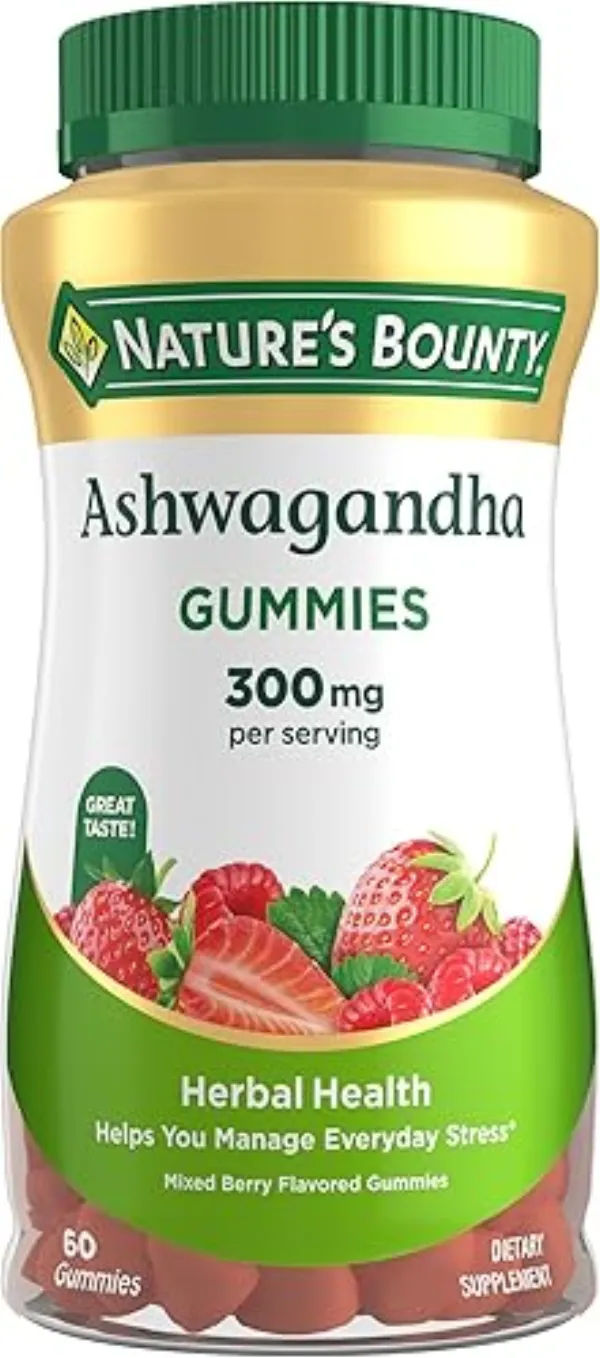
Ashwagandha Gummies vs Capsules vs Powder for Anxiety
The delivery format does not significantly affect ashwagandha's anxiolytic efficacy — the withanolides are absorbed through the gastrointestinal tract regardless of whether they arrive in a gummy matrix, a capsule shell, or raw powder. However, format differences do affect compliance, cost, and practical usability, all of which matter for a supplement that requires 8+ weeks of daily use to reach full effect.
Ashwagandha Gummies
Pleasant taste, no capsule-swallowing, higher daily compliance rates. Must verify dose — many gummies under-dose. Best for people who struggle with pill consistency.
Ashwagandha Capsules
Higher doses per unit, lower cost per serving, widest product selection. Preferred for high-dose protocols. No taste or texture considerations.
For anxiety specifically, the format that keeps you most consistent wins. If you take a gummy every day for 8 weeks, you will get better results than a capsule you forget three times per week. Our comprehensive guide to the best ashwagandha gummies ranks the top products that deliver clinical-dose KSM-66 and Sensoril in gummy format.
See all 10 ashwagandha gummies ranked for anxiety relief
Dose, extract type, and real-world results compared. See rankings →
Best Ashwagandha Gummies for Anxiety
Based on our analysis of extract type, clinical-dose adequacy, third-party testing, and real-world user results, these are the three ashwagandha gummies most effective for anxiety relief. For the complete rankings with detailed reviews, see our full guide to the best ashwagandha gummies for anxiety.
#1 Goli Ashwagandha Gummies
KSM-66, 600mg per daily serving (2 gummies). The benchmark for ashwagandha gummies — full clinical dose of the most studied extract, vegan, third-party tested with published Certificates of Analysis. Berry-flavored with added vitamin D. The exact dose and extract type used in the landmark anxiety and cortisol studies.
Shop Goli (26% OFF) →#2 Youtheory Ashwagandha Gummies
KSM-66, 300mg per 2 gummies. USP-verified for label accuracy — an independent verification that the product contains what it claims. Respected supplement brand with strong quality control. Slightly lower cost per serving than Goli with equivalent extract quality.
#3 Garden of Life mykind Ashwagandha
KSM-66, 300mg per 2 gummies. USDA Organic, Non-GMO Project Verified, vegan. For consumers who prioritize organic certification and clean ingredient lists. Manufactured to pharmaceutical-grade standards under Nestle Health Sciences ownership.
All three products deliver clinically effective doses of KSM-66 — the extract used in the majority of positive anxiety trials. For budget alternatives, Sensoril-based products, and high-dose options, our full best ashwagandha gummies rankings cover 10 products across every price point and formulation type.
Ashwagandha vs Other Natural Anxiety Supplements
Ashwagandha is not the only natural compound with evidence for anxiety relief. Understanding how it compares to other options helps you choose the right supplement — or combination — for your specific anxiety profile. If you are exploring multiple options, our guide to the best anxiety gummies covers all of these compounds in depth.
| Supplement | Mechanism | Onset | Best For | Evidence Strength |
|---|---|---|---|---|
| Ashwagandha | HPA axis + cortisol + GABA | 2-8 weeks | Chronic/generalized anxiety | Strong (24+ RCTs) |
| L-Theanine | GABA + alpha brain waves | 30-60 minutes | Acute situational anxiety | Moderate (8+ RCTs) |
| GABA | Direct inhibitory neurotransmitter | 30-60 minutes | Acute calm; limited oral bioavailability | Weak (poor BBB crossing) |
| Magnesium | NMDA receptor modulation | 1-4 weeks | Anxiety with magnesium deficiency | Moderate (if deficient) |
| CBD | Endocannabinoid + serotonin | 30-90 minutes | Acute anxiety; social anxiety | Moderate (limited RCTs) |
Can you combine them? Yes — ashwagandha's slow-onset, long-term mechanism complements fast-acting compounds like L-theanine. A common evidence-based stack for anxiety is ashwagandha (300-600mg KSM-66 daily for baseline anxiety reduction) + L-theanine (200mg as needed for acute anxiety episodes). These compounds work through different pathways with no known negative interactions. For more on L-theanine specifically, see our guide to L-theanine gummies. For GABA-based options, our GABA gummies guide covers the evidence and best products.
For broader coverage of all anxiety-related supplements in gummy form, our stress relief gummies guide compares ashwagandha, L-theanine, GABA, magnesium, and herbal blends side by side.
Ashwagandha and Cortisol: The Anxiety Connection
Cortisol is the link between ashwagandha's adaptogenic mechanism and anxiety relief. Understanding this connection explains why ashwagandha works for anxiety, why it takes weeks to reach full effect, and why it is particularly effective for stress-driven anxiety rather than anxiety that has purely psychological origins.
reduction in serum cortisol was measured in the ashwagandha group versus 7.9% in placebo — a 3.5x greater cortisol reduction that directly explains the anxiety score improvement. Cortisol and anxiety form a bidirectional feedback loop: anxiety raises cortisol, and elevated cortisol worsens anxiety. Breaking this loop is ashwagandha's primary therapeutic mechanism.
Chronically elevated cortisol — often called "cortisol dysregulation" — produces the physical symptoms most people associate with anxiety: elevated heart rate, muscle tension, digestive disturbance, insomnia, difficulty concentrating, and a persistent feeling of being "on edge." Ashwagandha interrupts this cycle by reducing cortisol output at the adrenal level, which reduces the physiological substrate of anxiety. The brain still processes stressors, but the body's hormonal response is proportionate rather than exaggerated.
If cortisol management is your primary concern, our guide to cortisol gummies covers ashwagandha alongside phosphatidylserine, rhodiola, and other cortisol-modulating supplements. Ashwagandha has the strongest evidence base for cortisol reduction among all natural supplements currently available.
Morning Cortisol Spike
The cortisol awakening response (CAR) — the sharp cortisol spike that occurs 30-45 minutes after waking — is often exaggerated in anxiety disorders. Ashwagandha has been shown to normalize CAR, reducing the intensity of morning anxiety and the "wired but tired" feeling many anxious people experience upon waking.
Nighttime Cortisol and Insomnia
Cortisol should be at its lowest in the evening, but anxiety-driven cortisol dysregulation keeps levels elevated at night — causing the racing thoughts and inability to "shut off" that characterize anxious insomnia. Ashwagandha's cortisol-lowering effect is particularly impactful for sleep-onset insomnia driven by nighttime anxiety.
Ashwagandha Side Effects and Safety for Anxiety Use
Ashwagandha is generally well-tolerated at recommended doses (300-600mg KSM-66 daily). Clinical trials of up to 12 weeks have reported no serious adverse events. However, ashwagandha has real pharmacological activity — it is not a "harmless herb" — and certain populations should exercise caution or avoid it entirely.
Thyroid interaction (critical): Ashwagandha stimulates thyroid hormone production. A 2018 study in the Journal of Alternative and Complementary Medicine found that 600mg/day of KSM-66 significantly increased T3, T4, and TSH levels. People with hypothyroidism on thyroid medication may need dose adjustment. People with hyperthyroidism or Graves' disease should avoid ashwagandha entirely — increased thyroid hormones can worsen anxiety, cause tremors, and trigger cardiac symptoms. Do not take ashwagandha if you have any thyroid condition without endocrinologist approval.
Pregnancy and breastfeeding: Ashwagandha is contraindicated during pregnancy. Animal studies suggest potential uterine stimulant effects at high doses, and there is insufficient human safety data during pregnancy and lactation. The traditional Ayurvedic contraindication against ashwagandha in pregnancy aligns with the precautionary principle. If you are pregnant, breastfeeding, or planning to become pregnant, avoid ashwagandha entirely.
Drug Interactions Relevant to Anxiety Patients
| Medication Class | Interaction Risk | Recommendation |
|---|---|---|
| Benzodiazepines (Xanax, Ativan, Klonopin) | Additive sedation; excessive drowsiness | Physician approval required; monitor for sedation |
| SSRIs/SNRIs (Prozac, Zoloft, Lexapro, Effexor) | Serotonergic interaction; theoretical serotonin syndrome risk | Low risk but consult prescriber before combining |
| Thyroid medications (Synthroid, levothyroxine) | Ashwagandha increases thyroid hormones; may alter medication needs | Endocrinologist monitoring required |
| Immunosuppressants | Ashwagandha modulates immune function; may counteract medication | Avoid without physician approval |
| Blood sugar medications | Ashwagandha may lower blood glucose; additive effect | Monitor glucose closely |
| Sedatives / sleep aids | Additive sedation | Reduce dose if combining; monitor drowsiness |
Common Non-Serious Side Effects
The most commonly reported side effects in clinical trials are mild gastrointestinal symptoms — nausea, stomach discomfort, or diarrhea — which typically resolve within the first week and are minimized by taking ashwagandha with food. Some users report drowsiness, particularly at higher doses or when taken in the evening. Rarely, vivid dreams have been reported, likely related to ashwagandha's effect on sleep architecture and cortisol. None of these side effects have led to study discontinuation in clinical trials at recommended doses.
Ashwagandha for Anxiety — Frequently Asked Questions
How much ashwagandha should I take for anxiety?
The clinically effective dose for anxiety is 300-600mg of KSM-66 ashwagandha per day, or 125-250mg of Sensoril per day. The landmark 2012 study used 300mg of KSM-66 twice daily (600mg total) and achieved a 56.5% reduction in anxiety scores. Start at 300mg per day and increase to 600mg after 2 weeks if well tolerated.
How long does ashwagandha take to work for anxiety?
Most studies show measurable anxiety reduction within 2-4 weeks, with full benefits at 6-8 weeks. The 2012 trial measured its primary endpoint at 60 days. Some users notice subtle calming effects within the first week from ashwagandha's GABAergic activity, but clinically significant HPA axis modulation requires sustained daily use over several weeks.
Is ashwagandha better than medication for anxiety?
Ashwagandha should not replace prescription anxiety medication without physician guidance. One study found effects comparable to lorazepam (Ativan) without sedation or dependence risk. However, prescription medications are appropriate for severe anxiety, panic disorder, and acute episodes. Ashwagandha may be suitable for mild-to-moderate generalized anxiety or as a complementary approach.
Can I take ashwagandha with anti-anxiety medication?
Ashwagandha may interact with benzodiazepines (additive sedation), SSRIs (serotonergic interaction), and thyroid medications. Never combine with prescription anti-anxiety medication without explicit physician approval. If approved, start at the lowest ashwagandha dose and monitor for excessive sedation or mood changes.
What is the best form of ashwagandha for anxiety?
KSM-66 has the most clinical evidence for anxiety (24+ RCTs). Sensoril is also effective with higher withanolide concentration. The delivery format (gummy, capsule, powder) does not affect efficacy — the critical factor is extract type and dose. Gummies offer superior compliance for daily use.
Does ashwagandha help with social anxiety?
The mechanisms that reduce generalized anxiety (cortisol reduction, HPA axis modulation, GABAergic activity) are relevant to social anxiety. One study included participants with social anxiety components and found significant improvement. However, no large-scale trial has studied ashwagandha exclusively for social anxiety disorder. It may be helpful as part of a broader approach including therapy.
Is KSM-66 or Sensoril better for anxiety?
Both have strong evidence. KSM-66 has the broader evidence base (24+ trials) and is used in most anxiety-specific studies. Sensoril has higher withanolide concentration (10% vs 5%), requiring a lower dose, with strong cortisol reduction data. For anxiety specifically, both are excellent choices. KSM-66 has more overall evidence; Sensoril may be slightly more potent per milligram for cortisol.
Can ashwagandha make anxiety worse?
Rarely. Worsening anxiety has been reported in people with hyperthyroidism (ashwagandha stimulates thyroid hormones), nightshade sensitivity, or when taken on an empty stomach (GI distress can mimic anxiety). If anxiety worsens, reduce dose, take with food, and consult your healthcare provider. Discontinue if symptoms persist.
The Evidence-Based Verdict: Ashwagandha for Anxiety
Ashwagandha is one of the most well-validated natural anxiolytics available. Multiple randomized controlled trials demonstrate 40-57% reductions in anxiety scores, 27.9% cortisol reduction, and effects comparable to psychotherapy and lorazepam — without the sedation, cognitive impairment, or dependence risk of pharmaceutical anxiolytics.
The critical requirements for efficacy are: (1) use a standardized extract — KSM-66 or Sensoril, not generic powder; (2) take the clinical dose — 300-600mg KSM-66 or 125-250mg Sensoril per day; (3) be consistent for at least 6-8 weeks before evaluating results; and (4) consult your physician if you have thyroid conditions, autoimmune disease, are pregnant, or take prescription medications. Meet these four criteria, and the science is clear — ashwagandha works for anxiety.
Related Guides on GummyGuide
Best Ashwagandha Gummies
Full rankings of 10 ashwagandha gummies — KSM-66 and Sensoril products tested for dose accuracy and value.
See Rankings → AnxietyBest Ashwagandha Gummies for Anxiety
Products specifically evaluated for anxiety relief — extract type, clinical dose, and cortisol reduction potential.
See Rankings → AnxietyBest Anxiety Gummies
Ashwagandha, L-theanine, GABA, and CBD gummies compared for anxiety relief — with clinical evidence review.
Read Guide → CortisolCortisol Gummies
Supplements specifically targeting cortisol reduction — ashwagandha, phosphatidylserine, rhodiola, and more.
Read Guide →For more on how ashwagandha gummies deliver their active compounds, our evidence review of whether ashwagandha gummies work covers absorption, dose adequacy, and the critical difference between standardized extracts and generic powder. And if stress management rather than clinical anxiety is your primary goal, our guide to stress relief gummies compares ashwagandha to other adaptogenic and calming supplements in gummy format.
*These statements have not been evaluated by the Food and Drug Administration. Ashwagandha supplements are not intended to diagnose, treat, cure, or prevent any disease. This article is for informational purposes only and does not constitute medical advice. If you are experiencing severe anxiety, panic attacks, or anxiety that interferes with daily functioning, consult a licensed healthcare provider. Ashwagandha is not a substitute for professional mental health treatment. Consult your healthcare provider before starting any supplement regimen, especially if you have thyroid conditions, autoimmune disorders, are pregnant or breastfeeding, or take prescription medications including anti-anxiety drugs.
Find the Best Ashwagandha for Anxiety
Browse our expert-tested ashwagandha rankings with verified KSM-66 and Sensoril products. Every recommendation backed by clinical trial data and third-party testing.
See Our Top Anxiety Picks →