Best Time to Take Probiotics: The Evidence-Based Guide
Should you take probiotics in the morning or at night? With food or on an empty stomach? The answer depends on the specific strain you are taking. We analyzed the clinical research on probiotic survival rates, stomach acid pH patterns, and strain-specific timing to give you a definitive, science-backed protocol.

Disclosure: We may earn a commission when you purchase through our links, at no extra cost to you. Our recommendations are based on editorial research and publicly available information. Full disclosure.
Prices and availability: Product prices and availability shown are accurate as of the date of publication and are subject to change. Any price and availability information displayed on Amazon.com at the time of purchase will apply.
Probiotics are the third most popular supplement in America, with over 3.9 million adults taking them daily according to the National Institutes of Health. Yet one of the most common questions remains unanswered on most product labels: when should you actually take them? The timing question is not trivial — stomach acid can destroy up to 99% of non-spore-forming probiotic bacteria before they reach the intestines. Taking your probiotic at the wrong time, or with the wrong foods, can dramatically reduce the number of live organisms that survive to colonize your gut.
The clinical research on probiotic timing is surprisingly clear, once you understand the role of stomach acid pH, meal timing, and strain-specific acid resistance. This guide breaks down the evidence for every major probiotic strain type, so you can optimize your timing protocol based on the specific product you are taking. If you are looking for product recommendations, our guide to the best probiotic gummies ranks the top formulations by strain diversity, CFU count, and third-party testing.
higher probiotic survival rates were measured when probiotics were taken 30 minutes before a meal versus during or after eating. A study in the British Journal of Nutrition tested Lactobacillus, Bifidobacterium, and Saccharomyces strains across different meal timing conditions and found that pre-meal consumption with subsequent fat intake produced the highest intestinal delivery rates.
Does Timing Actually Matter for Probiotics?
Yes — and the reason is stomach acid. Your stomach maintains a highly acidic environment (pH 1.5-3.5) designed to kill pathogens and break down food. Unfortunately, this acid does not distinguish between harmful bacteria and the beneficial probiotic strains you are deliberately trying to introduce. The survival rate of probiotic bacteria through the gastric environment depends on three factors: the pH of the stomach at the time of ingestion, the duration of exposure to acid, and the inherent acid resistance of the specific strain.
A landmark study published in the British Journal of Nutrition (Tompkins et al., 2011) tested probiotic survival under simulated gastric conditions at various meal timings. The researchers found that probiotics taken 30 minutes before a meal had significantly higher survival rates than those taken 30 minutes after a meal. The mechanism is straightforward: on an empty stomach, gastric pH is higher (less acidic, around pH 4-5), and the transit time through the stomach is shorter. When you eat, the stomach produces a surge of hydrochloric acid to digest food, dropping pH to 1.5-2.0 — a level that destroys most non-spore-forming bacteria within minutes.
Stomach Acid pH Matters
Fasting stomach pH ranges from 4.0-5.0 — relatively mild for bacteria. After eating, pH drops to 1.5-2.0 as the stomach secretes hydrochloric acid for digestion. This 100-1,000x increase in acidity is lethal to most Lactobacillus and Bifidobacterium strains. Taking probiotics before meals exploits the higher fasting pH window for maximum survival.
Transit Time Is Critical
On an empty stomach, probiotics pass through the gastric environment in 20-30 minutes. During a meal, food slows gastric emptying to 2-5 hours — prolonging acid exposure by 4-10x. Shorter transit means less acid damage and more live bacteria reaching the intestines where they can colonize and produce beneficial effects.
Fat Improves Colonization
The same British Journal of Nutrition study found that meals containing fat improved probiotic survival and colonization. Fat triggers bile release, which some probiotic strains actually use as a nutrient source. Taking probiotics 30 minutes before a fat-containing meal provides the ideal combination: low-acid transit followed by fat-mediated support.
Strain Type Changes Everything
Spore-forming probiotics (Bacillus coagulans, Bacillus subtilis) have a protective endospore coating that makes them virtually impervious to stomach acid — they can be taken any time, with or without food. Non-spore strains (Lactobacillus, Bifidobacterium) are far more vulnerable and benefit significantly from optimized timing.
Morning vs Night: Which Is Better for Probiotics?
This is the most frequently asked question about probiotic timing, and the honest answer is: both work well, provided you follow strain-specific guidelines. The research does not show a significant difference between morning and evening dosing for overall probiotic effectiveness. What matters far more than the hour of the day is the relationship between your probiotic dose and your meals. That said, each timing window has distinct advantages worth considering.
Morning (Before Breakfast)
Stomach acid is at its lowest after an overnight fast. The empty stomach provides fast transit (20-30 min) and minimal acid exposure. Easy to build into a morning routine for consistency. Ideal for Lactobacillus and Bifidobacterium strains. Pair with breakfast containing healthy fat for optimal colonization.
Night (Before Bed)
Stomach acid production decreases during sleep. Reduced gut motility at night may allow more time for colonization. The gut performs repair and immune modulation during sleep, which may synergize with probiotic activity. Best if you eat dinner early and allow 2-3 hours of fasting before your dose.
The consistency principle: A 2020 systematic review in Nutrients found that adherence to a daily probiotic regimen was the single strongest predictor of clinical outcomes — stronger than strain type, CFU count, or timing. Pick the time that fits your routine best and take your probiotic at that same time every day. Switching between morning and night is less effective than being consistent with either option.
If you are currently shopping for a probiotic and want a product specifically formulated for women's digestive and vaginal health, our guide to the best probiotic gummies for women covers Lactobacillus rhamnosus, L. reuteri, and other strains with clinical evidence for female-specific benefits.
Should You Take Probiotics With or Without Food?
This is where the nuance lies. The blanket advice to "take probiotics with food" that appears on many product labels is an oversimplification that can actually reduce effectiveness for certain strains. The optimal approach depends entirely on the type of probiotic you are taking. Here is the evidence-based breakdown by strain category.
| Strain Type | With Food? | Best Timing | Example Products |
|---|---|---|---|
| Lactobacillus | Before food (empty stomach) | 30 min before breakfast | Culturelle, Bio-K+, most yogurt-derived |
| Bifidobacterium | Before food (empty stomach) | 30 min before breakfast | Align, Visbiome, most multi-strain |
| Bacillus (spore-based) | With food — any meal | During breakfast or lunch | Just Thrive, MegaSporeBiotic |
| Saccharomyces boulardii | Either — food does not matter | Any time, with or without food | Florastor, Jarrow S. boulardii |
| Multi-strain blends | Before food (follow most sensitive strain) | 30 min before breakfast | Garden of Life, Seed DS-01 |
The key insight: if your probiotic contains a mix of Lactobacillus and Bifidobacterium strains (which most multi-strain products do), default to taking it on an empty stomach before a meal. This protocol protects the most acid-sensitive strains in the blend. If your product is exclusively spore-based (Bacillus), take it with food — the spores actually germinate more effectively in the presence of nutrients. For comprehensive digestive support beyond probiotics, our guide to digestion gummies covers enzyme blends, ginger, and other gut-health formulations.
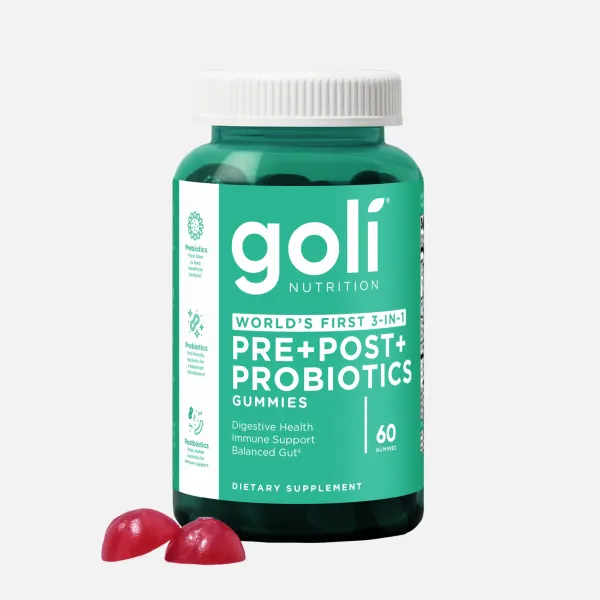
Our #1 Pick: Goli Probiotic+
World's first 3-in-1 pre+pro+postbiotic gummy. Shelf-stable, no refrigeration. See full review & buy →
Probiotic Timing by Strain Type: A Deep Dive
Understanding the biology of each major probiotic genus explains why timing recommendations differ. Each category has evolved different survival mechanisms for the harsh gastric environment, and these biological differences dictate the optimal ingestion protocol.
Lactobacillus: Before Meals, Empty Stomach
Lactobacillus species (L. acidophilus, L. rhamnosus, L. plantarum, L. reuteri) are the most common probiotics in supplements and fermented foods. They are non-spore-forming and have moderate acid tolerance — they can survive pH 3.0-4.0 but are rapidly killed below pH 2.5. Taking them on an empty stomach (pH 4.0-5.0) with a quick transit time maximizes survival. Clinical trials showing efficacy for IBS, vaginal health, and immune function used pre-meal dosing protocols.
Bifidobacterium: Before Meals, Empty Stomach
Bifidobacterium species (B. lactis, B. longum, B. breve, B. infantis) are naturally dominant in the infant gut and decline with age. They are among the most acid-sensitive probiotic genera — most strains show significant viability loss below pH 3.0. Pre-meal timing on an empty stomach is particularly important for Bifidobacterium to ensure adequate intestinal delivery. These strains are critical for gut barrier integrity, immune regulation, and SCFA production.
Bacillus (Spore-Based): With Food, Any Time
Bacillus species (B. coagulans, B. subtilis, B. clausii) produce dormant endospores — a protective shell that is virtually impervious to stomach acid, heat, and antibiotics. These spores germinate into active bacteria only after reaching the alkaline environment of the small intestine. Because the spore coating eliminates acid as a concern, Bacillus probiotics can be taken with food at any time. Some evidence suggests that nutrients from food actually improve spore germination rates.
Saccharomyces boulardii: Any Time, Any Condition
S. boulardii is a probiotic yeast, not a bacterium. It is inherently resistant to stomach acid and antibiotics (antibacterial drugs do not affect yeast). This makes S. boulardii uniquely flexible in timing — it can be taken with food, without food, and even simultaneously with antibiotics. It is the probiotic of choice for antibiotic-associated diarrhea and C. difficile prevention specifically because of this acid and antibiotic resistance.
Probiotic Gummies: Does the Format Change Timing?
Probiotic gummies present a unique consideration compared to capsules and tablets. When you chew a gummy, the probiotics are immediately exposed to the oral environment and then to stomach acid without the protection of a capsule shell or enteric coating. This means timing is arguably more important for gummies than for other delivery formats.
However, the sugar and pectin matrix that forms the gummy structure may provide partial buffering against acid. Pectin is a soluble fiber that forms a gel in acidic environments, potentially creating a micro-protective layer around the probiotic organisms during gastric transit. This buffering effect has not been extensively studied, but it may partially offset the lack of capsule protection. For a detailed comparison of gummy and capsule probiotic formats, see our probiotic gummies buying guide.
CFU (colony-forming units) is the typical range in probiotic gummies, compared to 10-100B CFU in capsule products. This lower CFU count makes timing optimization even more critical for gummy users — you need to maximize the survival rate of every organism in a lower-count product. Taking gummies on an empty stomach 30 minutes before a meal can make the difference between delivering adequate live bacteria and an ineffective dose.
Gummy-specific tip: Chew your probiotic gummy thoroughly but do not hold it in your mouth for extended periods. The oral environment (enzymes, pH) can begin degrading live bacteria. Chew, swallow, and let the gummy matrix transit through the stomach as quickly as possible. Follow with a small glass of water to accelerate gastric emptying. If your gummy contains spore-based strains (Bacillus coagulans is increasingly common in gummy formulations), timing is less critical — the spore coating protects the organisms regardless.
How to Maximize Probiotic Effectiveness: 5 Evidence-Based Strategies
Timing is only one component of probiotic effectiveness. The following five strategies are supported by clinical research and can significantly improve outcomes regardless of the specific strain or product you are using. Implementing all five creates a compounding effect that maximizes the return on your probiotic investment.
Be Ruthlessly Consistent
Take your probiotic at the same time every day without exception. A 2020 systematic review found that adherence was the strongest predictor of clinical outcomes — stronger than strain selection, CFU count, or timing. Set a daily alarm or pair your probiotic with an existing habit (brushing teeth, morning coffee) to build an automatic routine. Even the best probiotic strain delivers zero benefit if it stays in the bottle.
Pair With Prebiotics for Synbiotic Effect
Prebiotics are non-digestible fibers (inulin, FOS, GOS, XOS) that selectively feed beneficial gut bacteria. Taking probiotics alongside prebiotics creates a "synbiotic" effect — the prebiotics provide fuel for the probiotic organisms, improving their colonization success and metabolic output. Foods high in prebiotics include garlic, onions, bananas, asparagus, and oats. For a supplement-based prebiotic, our guide to best fiber gummies covers the top inulin and fiber formulations that pair well with probiotics.
Separate From Antibiotics by 2-4 Hours
If you are taking antibiotics, do not take your probiotic at the same time — antibiotics will kill the probiotic bacteria before they can reach the intestines. Maintain a minimum 2-4 hour gap between antibiotic and probiotic doses. The exception is Saccharomyces boulardii, a probiotic yeast that is unaffected by antibacterial drugs and can be taken simultaneously with antibiotics.
Check Storage Requirements
Many Lactobacillus and Bifidobacterium probiotics require refrigeration to maintain viable CFU counts. Shelf-stable claims are only valid for spore-based (Bacillus) probiotics, Saccharomyces boulardii, and specifically formulated freeze-dried products. Check your product label — if it requires refrigeration and you have been storing it at room temperature, the CFU count may have dropped below the effective threshold. Heat, humidity, and light all accelerate probiotic degradation.
Prioritize Strain Diversity
A healthy gut microbiome contains hundreds of bacterial species. Single-strain probiotics can be effective for specific conditions, but multi-strain formulations that include several species of Lactobacillus, Bifidobacterium, and potentially a spore-based strain provide broader microbiome support. Clinical evidence suggests that multi-strain probiotics outperform single-strain products for general digestive health and immune function. Look for products with 5-15 well-characterized strains at a combined CFU count of at least 10 billion.
Probiotics and Antibiotics: The Correct Timing Protocol
Taking probiotics during antibiotic treatment is one of the most evidence-supported applications of probiotic supplementation. A 2012 meta-analysis in the Journal of the American Medical Association (JAMA) analyzed 63 randomized controlled trials and found that probiotics reduced the risk of antibiotic-associated diarrhea by 42%. However, the timing protocol during concurrent antibiotic use is critical — take it wrong and the antibiotic simply destroys the probiotic before it can work.
reduction in antibiotic-associated diarrhea was found in a JAMA meta-analysis of 63 RCTs when probiotics were taken during antibiotic treatment. The key is maintaining a 2-4 hour gap between antibiotic and probiotic doses to allow the antibiotic concentration in the gut to decrease before introducing live bacteria. Saccharomyces boulardii and Bacillus strains showed the strongest evidence due to their inherent antibiotic resistance.
During Antibiotic Treatment
Take your probiotic at least 2-4 hours after each antibiotic dose. If your antibiotic is taken twice daily (morning and evening), take your probiotic at midday. If your antibiotic is taken three times daily, take your probiotic at the time that creates the largest gap between antibiotic doses. The goal is to minimize the antibiotic concentration in the gut at the time of probiotic ingestion.
After Antibiotic Treatment
Continue taking your probiotic for at least 2-4 weeks after completing your antibiotic course. Antibiotics cause significant disruption to the gut microbiome that persists well beyond the treatment period. A 2018 study in Nature Microbiology found that some gut microbiome populations had not fully recovered even 6 months after a single antibiotic course. Continuing probiotics during recovery supports recolonization of beneficial species.
Best Strains During Antibiotics
Saccharomyces boulardii is the strongest choice during antibiotic treatment because antibacterial drugs do not affect yeast. Bacillus spore-based probiotics are the second-best option — their dormant spore form is resistant to most antibiotics. Lactobacillus rhamnosus GG (LGG) has the most clinical evidence among non-spore bacterial strains for preventing antibiotic-associated diarrhea.
Never stop or reduce your antibiotic course to "protect" your probiotics. Antibiotic resistance is a serious public health threat, and completing prescribed antibiotic courses is essential for fully eliminating the target infection. Probiotics are a complement to antibiotic treatment, not an alternative. If you experience severe diarrhea during antibiotic use, contact your prescribing physician — do not self-manage with probiotics alone, as C. difficile infection requires specific medical treatment.
See the 8 best probiotic gummies ranked by our dietitians
CFU count, strain quality, and shelf stability compared. See rankings →
Best Probiotic Gummies in 2026
Based on our analysis of strain quality, CFU count at expiration, third-party testing, and real-world user results, these are the three probiotic gummies that deliver clinically meaningful doses of evidence-backed strains. For the full rankings with detailed reviews, see our comprehensive probiotic gummies guide.
#1 Goli Probiotic+ Gummies
DE111® (Bacillus subtilis) + MCC1849 postbiotic + XOS prebiotic. The only gummy that combines prebiotics, probiotics, and postbiotics in a single product. Spore-based DE111® is shelf-stable and acid-resistant — timing is flexible, take with any meal. Vegan, gluten-free, no refrigeration required.
#2 Culturelle Digestive Health Gummies
Lactobacillus rhamnosus GG (LGG), 5 billion CFU. LGG is the most clinically studied probiotic strain in the world with over 1,000 published studies. Take on an empty stomach 30 minutes before breakfast for optimal survival. Clinically proven for IBS symptom reduction and immune support.
#3 Garden of Life Dr. Formulated Probiotic Gummies
Multi-strain blend, 2 billion CFU. Includes Lactobacillus and Bifidobacterium strains plus prebiotic fiber. USDA Organic, Non-GMO Project Verified. Take on an empty stomach in the morning. Good entry-level option with clean ingredient list and established brand quality standards.
All three products have been verified for label accuracy and CFU viability through third-party testing. For products tailored to women's health needs including vaginal microbiome support, see our best probiotic gummies for women guide. And for complementary digestive support, our digestive enzyme gummies rankings cover enzyme blends that pair well with probiotic supplementation.
Common Probiotic Mistakes That Reduce Effectiveness
Even with the best probiotic product and perfect timing, several common habits can sabotage your results. These mistakes are widespread because they are rarely addressed on product labels or in marketing materials. Avoiding them can be the difference between a probiotic that works and one that wastes your money.
Taking With Hot Drinks
Washing down your probiotic with hot coffee, tea, or warm water can kill live bacteria before they even reach your stomach. Most probiotic strains begin dying at temperatures above 115°F (46°C). If you take your probiotic in the morning, wait at least 15-20 minutes before drinking hot beverages, or take it with room-temperature or cold water only.
Inconsistent Daily Use
Probiotics are transient — supplemented strains do not permanently colonize the gut. If you skip days, the probiotic population declines and must be rebuilt from scratch. Clinical trials showing positive outcomes use daily dosing without exception. Treat your probiotic like a daily medication, not an as-needed supplement. Even one missed day reduces gut population levels.
Wrong Strain for the Condition
Not all probiotic strains address all conditions. Lactobacillus rhamnosus GG is best studied for diarrhea prevention. Bifidobacterium infantis 35624 has the strongest evidence for IBS. Lactobacillus reuteri is studied for oral health. Taking a generic multi-strain probiotic for a specific condition may be less effective than selecting the strain with the best evidence for your particular need.
Ignoring CFU Count at Expiration
Probiotic viability declines over the product's shelf life. A product manufactured with 10 billion CFU may contain only 2-3 billion by its expiration date if not properly stored. Look for products that guarantee CFU count "at time of expiration" rather than "at time of manufacture." This distinction matters enormously — it tells you the product was formulated with enough overage to remain effective throughout its shelf life.
The chlorine factor: If you take your probiotic with tap water, be aware that municipal water treatment adds chlorine specifically to kill bacteria. While the chlorine concentration in drinking water is low, it can reduce probiotic viability. If you want to eliminate this variable, take your probiotic with filtered or bottled water. This is a minor optimization, but it aligns with the principle of removing every obstacle between your probiotic and your intestines.
The Bottom Line: When to Take Your Probiotics
For Lactobacillus and Bifidobacterium strains (the majority of probiotic products): take 30 minutes before breakfast on an empty stomach. Follow with a meal containing some healthy fat. This protocol maximizes bacterial survival through the gastric environment by 85-90% compared to post-meal timing.
For spore-based probiotics (Bacillus coagulans, B. subtilis): take with any meal. The endospore coating eliminates stomach acid as a concern. Food may actually improve spore germination.
For Saccharomyces boulardii: take at any time — this probiotic yeast is resistant to both stomach acid and antibiotics.
The golden rule: Consistency beats timing. Pick a time that works for your schedule, take your probiotic every single day, and maintain that routine indefinitely. A probiotic taken at a "suboptimal" time every day will outperform one taken at the "perfect" time inconsistently.
Related Guides on GummyGuide
Best Probiotic Gummies
Full rankings of the top probiotic gummies — CFU counts, strain diversity, and third-party testing results compared.
See Rankings → Women's HealthBest Probiotic Gummies for Women
Strains clinically studied for vaginal health, UTI prevention, and hormonal balance — with dosing and timing protocols.
Read Guide → DigestionBest Digestion Gummies
Enzyme blends, ginger, and gut-health gummies that complement probiotic supplementation for complete digestive support.
Read Guide → PrebioticBest Fiber Gummies
Prebiotic fiber gummies with inulin, chicory root, and FOS — the ideal synbiotic pairing with your daily probiotic.
Read Guide →For comprehensive digestive support, pairing a daily probiotic with a prebiotic best fiber gummies supplement creates a synbiotic effect that enhances colonization. If you experience bloating or sluggish digestion alongside probiotic use, digestive enzyme gummies can help break down food more efficiently, reducing the substrate that feeds gas-producing bacteria in the upper gut.
Best Time to Take Probiotics — Frequently Asked Questions
Should I take probiotics in the morning or at night?
Both morning and nighttime are effective. The most important factor is consistency — take your probiotic at the same time every day. If choosing, morning (30 minutes before breakfast) has a slight edge because stomach acid is lowest after an overnight fast, providing better survival conditions for acid-sensitive strains like Lactobacillus and Bifidobacterium. Nighttime is also effective if taken 2-3 hours after dinner on a relatively empty stomach.
Can I take probiotics on an empty stomach?
Yes — and for most probiotic strains, an empty stomach is actually ideal. Gastric pH is higher (less acidic) when the stomach is empty, which allows more live bacteria to survive transit to the intestines. The optimal protocol is 30 minutes before a meal. Spore-based probiotics (Bacillus strains) are the exception — they can be taken with or without food due to their protective endospore coating.
Should I take probiotics with food?
It depends on the strain. Lactobacillus and Bifidobacterium strains survive best when taken before food on an empty stomach. Bacillus (spore-based) probiotics should be taken with food — nutrients may improve spore germination. Saccharomyces boulardii can be taken either way. For multi-strain blends, default to before-food timing to protect the most acid-sensitive strains in the formula.
How long does it take for probiotics to work?
Most people notice digestive improvements within 2-4 weeks of consistent daily use. Acute diarrhea may improve within 1-2 days. General digestive comfort typically improves within 1-3 weeks. Immune function benefits appear at 4-8 weeks. Skin conditions may require 8-12 weeks. The timeline depends on the condition, strain, dose, and individual microbiome composition. Consistency is the most critical factor.
Can I take probiotics with other supplements?
Yes. Probiotics are safe to combine with most supplements. The best pairing is probiotics with prebiotics (inulin, FOS, GOS) for a synbiotic effect. Probiotics can be taken alongside vitamins, minerals, omega-3s, and most herbal supplements. The only critical timing rule is with antibiotics — maintain a 2-4 hour gap to prevent the antibiotic from killing the probiotic bacteria.
Should I take probiotics every day?
Yes. Daily consistency is essential for probiotic effectiveness. Supplemented strains are transient — they pass through the digestive system and need daily replenishment. Clinical trials demonstrating positive outcomes use daily protocols without exception. There is no evidence of tolerance or diminishing returns with long-term daily use. Skipping days allows probiotic populations to decline and delays benefits.
Do probiotic gummies work as well as capsules?
Probiotic gummies can be effective, but capsules — especially enteric-coated ones — generally deliver more live bacteria to the intestines due to superior acid protection. Gummies expose bacteria to stomach acid immediately upon chewing. To compensate, take gummies on an empty stomach for fastest transit, and look for gummy products with spore-based strains (Bacillus) that are inherently acid-resistant. The CFU count at time of consumption is the key metric to compare.
How long should I take probiotics?
Minimum 4-8 weeks to evaluate effectiveness for your specific needs. For ongoing digestive health maintenance, long-term daily use is supported by evidence — studies lasting 6-12 months show sustained benefits without adverse effects. If you stop, supplemented strains decline over 1-3 weeks. For chronic conditions like IBS, ongoing use is typically necessary to maintain benefits. There is no established maximum duration.
*These statements have not been evaluated by the Food and Drug Administration. Probiotic supplements are not intended to diagnose, treat, cure, or prevent any disease. This article is for informational purposes only and does not constitute medical advice. Consult your healthcare provider before starting any supplement regimen, especially if you are taking antibiotics, have an immunocompromised condition, or are pregnant or breastfeeding.
Find the Best Probiotic Gummies for You
Browse our expert-tested probiotic rankings with verified CFU counts, strain analysis, and third-party testing results. Every recommendation backed by clinical research.
See Our Top Probiotic Picks →