Can You Overdose on Melatonin Gummies? What Science Says
You cannot fatally overdose on melatonin, but taking too much can cause unpleasant side effects including headaches, dizziness, nausea, and daytime drowsiness. The American Academy of Sleep Medicine recommends 1-5mg for adults. Taking more than 10mg offers no additional sleep benefit and increases side effect risk.

Disclosure: We may earn a commission when you purchase through our links, at no extra cost to you. Our recommendations are based on editorial research and publicly available information. Full disclosure.
Prices and availability: Product prices and availability shown are accurate as of the date of publication and are subject to change. Any price and availability information displayed on Amazon.com at the time of purchase will apply.
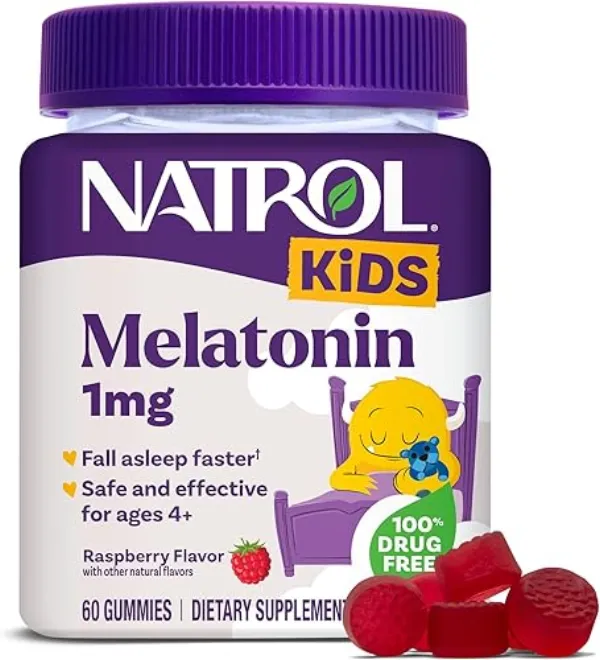
Natrol
Melatonin 1mg Gummies — Impossible to Overdose at Single Dose
Want zero overdose risk? Use a non-melatonin alternative like magnesium glycinate gummies. For the full dose breakdown by age, see how much melatonin is safe.
Melatonin gummies are the most popular sleep supplement in America — an estimated 27.4 million adults used melatonin in 2023, according to the National Center for Health Statistics. Yet as usage has surged, so have concerns about safety, dosing, and the potential for overconsumption. Questions like "can you overdose on melatonin gummies" and "how much melatonin is safe" have grown by over 200% in Google search volume since 2020, reflecting widespread uncertainty about a supplement most people assume is harmless.
The reality is nuanced. Melatonin is remarkably safe compared to prescription sleep medications — no fatal overdose has ever been recorded. But "safe" does not mean "take as much as you want." Excessive melatonin disrupts the very sleep architecture it is meant to improve, causes next-day impairment, and raises legitimate concerns about long-term hormonal effects, especially in children. This guide covers everything you need to know about melatonin safety, backed by clinical evidence and expert guidelines.
increase in pediatric melatonin ingestions reported to U.S. poison control centers from 2012 to 2021 — over 260,000 cases total. Source: CDC Morbidity and Mortality Weekly Report (MMWR), 2022. Of those cases, 4,097 children required hospitalization and 5 required mechanical ventilation. Melatonin gummies that look and taste like candy are a leading contributor to accidental pediatric ingestion.
Can You Overdose on Melatonin?
The short answer is no — not in the way most people understand "overdose." There is no documented case of a fatal melatonin overdose in medical literature. Unlike opioids, benzodiazepines, or even over-the-counter medications like acetaminophen, melatonin does not suppress respiration, damage the liver, or shut down vital organ systems at high doses. Animal toxicology studies have been unable to establish a lethal dose (LD50) even at concentrations far beyond anything a human would consume.
However, the absence of fatal toxicity does not mean melatonin is consequence-free at high doses. Taking more melatonin than your body needs — which for most adults means anything above 5mg — can produce a range of unpleasant effects that paradoxically worsen sleep quality rather than improve it. Excessive melatonin floods melatonin receptors (MT1 and MT2) in the suprachiasmatic nucleus, potentially desensitizing them and disrupting the circadian signal the supplement is meant to reinforce.
No Fatal Overdose Documented
No human death has ever been attributed to melatonin overdose alone. Melatonin has an exceptionally wide therapeutic index — the gap between an effective dose and a dangerous dose is vast. This makes melatonin one of the safest sleep-related supplements available, especially compared to prescription sleep medications.
Excess Causes Real Problems
While not fatal, taking too much melatonin causes headaches, nausea, dizziness, daytime drowsiness, irritability, and can disrupt hormonal balance. Paradoxically, high doses can worsen sleep by overwhelming melatonin receptors and shifting circadian timing in the wrong direction.
Children at Higher Risk
Children are more sensitive to melatonin's effects due to lower body weight and developing endocrine systems. The CDC has documented a dramatic rise in pediatric melatonin ingestions, with thousands requiring medical attention. Gummies that resemble candy increase the risk of accidental overconsumption.
More Is Not Better
Clinical research consistently shows that 0.5-5mg produces optimal sleep benefits. Doses above 5-10mg do not improve sleep onset latency or total sleep time and instead increase the likelihood of side effects. The "more is better" assumption does not apply to melatonin.
Understanding the difference between a true overdose (life-threatening toxicity) and overconsumption (unpleasant but non-dangerous side effects) is essential. Melatonin belongs firmly in the second category. If you are concerned about your current dosage, our guide on how many melatonin gummies should I take provides specific dosing guidance based on age, weight, and sleep goals.
Melatonin Overdose Symptoms: What Happens When You Take Too Much
When you exceed the recommended melatonin dose, the excess hormone does not simply help you sleep more deeply. Instead, it overwhelms your body's melatonin receptors and can produce a constellation of symptoms that range from mildly annoying to significantly disruptive. The severity and type of symptoms depend on the dose taken, individual sensitivity, body weight, and whether melatonin is combined with other substances.
Headache
One of the most commonly reported symptoms of melatonin overconsumption. Headaches from excessive melatonin are typically described as a dull, persistent pressure that may last into the following day. The mechanism likely involves melatonin's vasoconstrictive effects on cerebral blood vessels at supraphysiological doses.
Nausea and Stomach Cramps
Gastrointestinal discomfort is common at doses above 5-10mg. Melatonin receptors are present throughout the GI tract, and flooding them with excess hormone can cause nausea, abdominal cramping, and occasionally diarrhea. Taking melatonin on an empty stomach may exacerbate these symptoms.
Daytime Drowsiness
Paradoxically, taking too much melatonin at night often causes excessive sleepiness the following day. High doses extend melatonin's presence in the bloodstream beyond the intended sleep window, creating a "melatonin hangover" that impairs alertness, concentration, and reaction time during waking hours.
Dizziness and Disorientation
High melatonin doses can cause lightheadedness and a feeling of disorientation, particularly upon waking or during the night. This is especially concerning in elderly individuals, who may be at increased risk of falls. Dizziness typically resolves as melatonin is metabolized and cleared.
Irritability and Mood Changes
Excess melatonin can disrupt serotonin signaling — melatonin is synthesized from serotonin, and supraphysiological melatonin levels may alter the serotonin-melatonin balance. This can manifest as irritability, anxiety, or depressed mood, particularly with chronic high-dose use.
Vivid Dreams and Nightmares
Many users report unusually vivid, intense, or disturbing dreams when taking high melatonin doses. This occurs because melatonin increases REM sleep duration and intensity. While not dangerous, vivid nightmares can significantly disrupt sleep quality and cause anxiety about going to bed.
Hormonal Disruption
Melatonin interacts with reproductive hormone pathways. High doses taken chronically may affect estrogen, progesterone, and testosterone levels. Some research suggests that supraphysiological melatonin doses can suppress gonadotropin-releasing hormone (GnRH), which regulates reproductive hormones — a particular concern for children and adolescents.
Blood Pressure Changes
Melatonin can lower blood pressure. While this is generally mild, combining high-dose melatonin with antihypertensive medications could cause excessive blood pressure drops, leading to dizziness or fainting. People on blood pressure medication should monitor carefully and consult their physician.
Safe Melatonin Dosage by Age: Evidence-Based Guidelines
One of the biggest problems with melatonin supplementation is that most commercial products contain far more melatonin than clinical research supports. A 2023 analysis published in JAMA found that 22 of 25 melatonin gummy products tested contained melatonin quantities that differed from their labels — and some contained up to 347% of the stated dose. Combined with the widespread misconception that "more melatonin equals better sleep," this creates a perfect storm for overconsumption.
| Age Group | Recommended Dose | Maximum Dose | Notes |
|---|---|---|---|
| Adults (18+) | 0.5 – 5 mg | 10 mg | Start with 0.5-1mg; increase only if ineffective after 1 week |
| Teens (13-17) | 0.5 – 3 mg | 5 mg | Developing endocrine system; use lowest effective dose |
| Children (6-12) | 0.5 – 1 mg | 3 mg | Pediatrician supervision recommended; short-term use only |
| Children under 6 | Not recommended | N/A | Consult pediatrician; melatonin not advised without medical guidance |
| Elderly (65+) | 0.5 – 2 mg | 5 mg | Slower metabolism; increased sensitivity; fall risk with dizziness |
Children and melatonin gummies — critical safety concern: Melatonin gummies are designed to taste like candy, making them attractive to children. The CDC has documented over 260,000 pediatric melatonin ingestion cases from 2012-2021, with thousands requiring hospitalization. Always store melatonin gummies in child-resistant containers, out of reach of children. If your child has consumed multiple melatonin gummies, contact Poison Control at 1-800-222-1222 immediately. For age-appropriate products and safe dosing guidance, see our guide to melatonin gummies for kids.
The key principle is "start low, go slow." Most adults will find that 0.5-3mg is effective for sleep onset support. The widespread availability of 5mg and 10mg gummies does not reflect clinical evidence — it reflects consumer demand driven by the incorrect assumption that higher doses work better. For a detailed breakdown of how to determine your ideal dose, read our guide on how much melatonin is safe.
Want a safe, tested melatonin gummy?
See our expert-ranked best melatonin gummies — all within safe dosage range. See rankings →
How Long Does Melatonin Take to Work?
Melatonin typically takes 30 to 60 minutes to produce noticeable drowsiness after ingestion. This timing is consistent across clinical studies and is driven by melatonin's pharmacokinetics — oral melatonin is absorbed through the gastrointestinal tract, undergoes first-pass metabolism in the liver, and reaches peak blood concentration (Tmax) within 30-90 minutes depending on the formulation and whether it was taken with food.
This timing window is critical because taking melatonin at the wrong time is one of the most common reasons it "doesn't work." If you take melatonin and immediately get into bed, you are lying awake for 30-60 minutes waiting for the supplement to take effect — which creates frustration and anxiety that actively counteracts the melatonin's drowsiness signal. The correct approach is to take melatonin 30-60 minutes before your intended bedtime, then engage in a quiet wind-down routine while it takes effect.
Take Melatonin 30-60 Minutes Before Bed
Set a consistent "melatonin alarm" 30-60 minutes before your target bedtime. Take your gummy at this time every night. Consistency is important — taking melatonin at the same time reinforces your circadian rhythm rather than disrupting it. Do not take melatonin and immediately try to sleep.
Begin a Low-Light Wind-Down Routine
After taking melatonin, dim the lights and avoid screens (or use blue-light filtering). Engage in relaxing activities — reading, light stretching, meditation. Bright light suppresses melatonin production and counteracts the supplement. Your environment should support the melatonin signal, not fight it.
Get Into Bed When Drowsy
You should start feeling drowsy within 30-60 minutes. When you feel the urge to sleep, go to bed. Do not force yourself to stay up past this window — the melatonin-induced drowsiness is temporary, and if you push through it, you may miss the optimal sleep window and have difficulty falling asleep.
Do Not Redose If It Doesn't Work Immediately
If you are not asleep within 45 minutes, do not take a second dose. Get out of bed, do a quiet activity in dim light, and try again when drowsy. Taking more melatonin will not force sleep — it will only increase the risk of next-day grogginess and side effects. If melatonin consistently fails, consult a sleep specialist.
Optimal timing matters more than dose. A 2020 study in the Journal of Clinical Sleep Medicine found that melatonin timing is a stronger predictor of sleep onset improvement than melatonin dose. Taking 0.5mg at the right time (30-60 minutes before bed, in dim light) outperforms taking 10mg at the wrong time (immediately before bed with bright screens). If melatonin is not working for you, adjust your timing before increasing your dose. For more on finding the right amount, see our guide on how many melatonin gummies should I take.
Is Melatonin Addictive?
No — melatonin is not addictive by any clinical or pharmacological definition. This is one of the most important distinctions between melatonin and prescription sleep medications like benzodiazepines (Xanax, Ativan), Z-drugs (Ambien, Lunesta), and barbiturates, all of which carry genuine addiction and dependence risks.
Addiction requires a substance to activate the brain's reward pathways — the dopaminergic mesolimbic system that produces euphoria, craving, and compulsive use despite negative consequences. Melatonin does not interact with these pathways. It acts on specific melatonin receptors (MT1 and MT2) in the suprachiasmatic nucleus of the hypothalamus, which regulate circadian timing. There is no euphoria, no high, no craving, and no compulsive-use pattern associated with melatonin.
No Physical Dependence
You will not experience withdrawal symptoms if you stop taking melatonin abruptly. Unlike benzodiazepines, which can cause rebound insomnia, anxiety, and seizures upon abrupt discontinuation, stopping melatonin produces no physiological withdrawal syndrome. Your body continues manufacturing its own melatonin regardless of supplementation history.
No Tolerance (Mostly)
Current evidence suggests that melatonin does not produce tolerance — meaning you do not need progressively higher doses to achieve the same effect. This is debated among researchers, with some anecdotal reports of reduced efficacy over time, but controlled studies have not confirmed tolerance development at recommended doses. If melatonin seems less effective over time, the cause is more likely changes in sleep habits, stress, or light exposure than pharmacological tolerance.
Behavioral Habit vs. Addiction
Some people develop a psychological reliance on melatonin — the belief that they "can't sleep without it." This is behavioral dependency, not pharmacological addiction. The distinction matters: behavioral habits can be broken through cognitive behavioral therapy for insomnia (CBT-I) and gradual dose tapering, without the medical complications of drug withdrawal.
Your Body Still Makes Melatonin
Supplemental melatonin does not shut down your pineal gland's natural melatonin production. When you stop taking exogenous melatonin, your body's endogenous production continues at its baseline level. This is fundamentally different from substances like corticosteroids, which suppress the body's natural production and require tapering to avoid withdrawal.
The bottom line: melatonin is not addictive, does not cause physical dependence, and does not produce withdrawal symptoms. However, if you have been relying on melatonin nightly for months and want to stop, a gradual dose reduction (rather than abrupt cessation) may help your body readjust its circadian timing smoothly. If you struggle with sleep even without melatonin, explore sleep gummies without melatonin that use alternative ingredients like magnesium, L-theanine, and GABA.
Melatonin Gummies Side Effects: Complete Guide
Melatonin is generally well-tolerated at recommended doses, but side effects do occur — particularly at higher doses or in sensitive individuals. Understanding the frequency and nature of these side effects helps you make informed decisions about supplementation. The side effects below are compiled from clinical trials, FDA adverse event reports, and systematic reviews.
Common Side Effects (Reported in 5-15% of Users)
| Side Effect | Frequency | Dose-Dependent? | Management |
|---|---|---|---|
| Daytime drowsiness | 10-15% | Yes — more common above 3mg | Reduce dose; take earlier in evening |
| Headache | 8-12% | Yes — more common above 5mg | Reduce dose; stay hydrated |
| Dizziness | 5-8% | Yes | Reduce dose; avoid driving after taking |
| Nausea | 5-8% | Yes — especially on empty stomach | Take with a light snack |
| Vivid dreams | 5-10% | Yes | Reduce dose; generally harmless |
Less Common Side Effects (Reported in 1-5% of Users)
| Side Effect | Frequency | Notes |
|---|---|---|
| Irritability / mood changes | 2-5% | May be related to serotonin-melatonin balance disruption |
| Abdominal cramps | 2-4% | More common at doses above 5mg |
| Short-term depression | 1-3% | Discontinue if mood effects persist; consult physician |
| Mild anxiety | 1-3% | Paradoxical effect; more common at higher doses |
| Blood pressure changes | 1-2% | Usually mild decrease; monitor if on BP medication |
| Hormonal effects | Rare at recommended doses | Potential concern with chronic high-dose use, especially in children |
Drug Interactions: When Melatonin Becomes Risky
While melatonin is safe on its own for most people, it interacts with several classes of medication. These interactions can amplify side effects or reduce the effectiveness of your medications. Always inform your physician if you are taking melatonin alongside any prescription drugs.
Blood thinners (warfarin, heparin): Melatonin may enhance the anticoagulant effect of blood-thinning medications, increasing bleeding risk. A case report documented increased INR (a measure of blood clotting time) in a patient combining melatonin with warfarin. If you take blood thinners, consult your physician before using melatonin and monitor your INR closely.
Diabetes medications (insulin, metformin): Melatonin influences glucose metabolism and insulin sensitivity. It may increase or decrease blood sugar levels depending on the individual, potentially interfering with diabetes medication dosing. People with diabetes should monitor blood glucose more frequently when starting or stopping melatonin supplementation.
Immunosuppressants (cyclosporine, tacrolimus): Melatonin has immunomodulatory properties — it can stimulate certain aspects of immune function. This may counteract immunosuppressive medications used after organ transplantation or for autoimmune conditions. Organ transplant recipients should avoid melatonin unless specifically approved by their transplant team.
Other interactions to be aware of: Melatonin may increase sedation when combined with CNS depressants (benzodiazepines, opioids, alcohol). It may interact with birth control pills (which can increase melatonin levels), caffeine (which can decrease melatonin levels), and fluvoxamine (an SSRI that dramatically increases melatonin blood levels by inhibiting its metabolism). Always review all your medications and supplements with a pharmacist before adding melatonin.
Melatonin and Children: Special Safety Concerns
The dramatic rise in melatonin use among children is one of the most significant pediatric safety trends of the past decade. According to the CDC's 2022 MMWR report, calls to poison control centers regarding pediatric melatonin ingestion increased by 530% from 2012 to 2021. In 2021 alone, there were over 52,000 reported cases — an average of 143 calls per day involving children who had consumed melatonin, most of them accidentally.
The reasons for this surge are multifaceted. Melatonin gummy products have proliferated, many in packaging and flavors specifically designed to appeal to children. Parents increasingly view melatonin as a "natural" and therefore harmless sleep aid. And the COVID-19 pandemic disrupted children's sleep patterns, prompting more families to seek over-the-counter solutions. The result is a product category that looks like candy, tastes like candy, and is often stored with the same accessibility as candy — creating an obvious risk for accidental overconsumption.
pediatric melatonin ingestion cases were reported to U.S. poison control centers from 2012 to 2021. 4,097 children required hospitalization. 5 children required mechanical ventilation (breathing support). The majority of cases involved children under 5 years old who accessed melatonin gummies without parental supervision. Source: CDC MMWR, June 2022.
Pediatrician guidelines for melatonin in children: The American Academy of Pediatrics (AAP) recommends that melatonin for children should only be used after behavioral sleep interventions have been tried first (consistent bedtime routine, screen limits, dark sleeping environment). If melatonin is used, start with the lowest available dose (0.5mg), use only for short periods, and always under pediatric supervision. Children with neurodevelopmental conditions (ADHD, autism spectrum disorder) may benefit from melatonin under specialist guidance, but this requires individualized dosing. Melatonin should never be given to children under 3 without explicit pediatric direction. For safe, age-appropriate options, see our guide to melatonin gummies for kids.
Why Children Are More Vulnerable
Lower Body Weight
A 5mg gummy that is a moderate dose for a 180-pound adult delivers a proportionally much larger dose to a 40-pound child. Weight-adjusted, a child consuming 5mg receives the equivalent of a 22mg adult dose — far beyond any recommended range.
Developing Endocrine System
Children's hormonal systems are still maturing. Melatonin interacts with reproductive hormone pathways, and there is theoretical concern that chronic supraphysiological doses during development could affect puberty timing. While this has not been conclusively demonstrated in humans, the precautionary principle applies strongly to developing children.
Candy-Like Appearance
Melatonin gummies are formulated to taste good — that is their primary advantage over tablets and capsules. But for young children, the line between "supplement" and "candy" does not exist. A child who finds a bottle of melatonin gummies will eat them like gummy bears unless the packaging provides effective child-resistant barriers.
Label Inaccuracy
A 2023 JAMA study found that melatonin gummy products frequently contain more melatonin than stated on the label — some by over 300%. This means a product labeled "1mg per gummy" might actually contain 3-4mg, making precise pediatric dosing nearly impossible without third-party testing verification.
Prefer to sleep without melatonin?
See our guide to the best sleep gummies without melatonin — magnesium, L-theanine, and herbal options. See rankings →
What to Do If You Take Too Much Melatonin
If you or someone in your household has taken more melatonin than intended, the most important thing to know is that melatonin overdose is not a medical emergency in the same way as overdose of prescription medications. However, certain situations — particularly involving children or people with underlying health conditions — warrant prompt medical guidance.
Stay Calm — Melatonin Is Not Acutely Dangerous
No fatal melatonin overdose has ever been documented. Even at doses many times above the recommended range, melatonin does not suppress respiration or cause organ failure. The most likely outcomes are drowsiness, headache, nausea, and next-day grogginess. These effects will resolve as the melatonin is metabolized, typically within 4-6 hours.
Determine the Amount Consumed
Count the remaining gummies in the bottle and compare to the expected count. Calculate the total milligrams consumed. This information will be needed if you call Poison Control. Note the time of ingestion and the person's age and weight. If the label says "5mg per gummy" and 10 gummies are missing, the estimated ingestion is 50mg — high, but not dangerous for an adult.
Call Poison Control If a Child Is Involved
Contact the American Association of Poison Control Centers at 1-800-222-1222 (available 24/7) if a child has ingested melatonin, especially if the amount is unknown or exceeds 5mg. Poison Control specialists will assess the situation based on the child's age, weight, amount consumed, and any symptoms, and advise whether home observation or emergency medical evaluation is needed.
Monitor for Symptoms
Watch for excessive drowsiness, headache, nausea, dizziness, or irritability. In adults, these symptoms are usually mild and self-resolving. In children, monitor for excessive sedation (difficulty waking), breathing changes, or vomiting. Keep the person comfortable and hydrated. Most symptoms will resolve within 4-8 hours as melatonin is metabolized.
Go to the ER If You Observe These Warning Signs
Seek emergency medical care if you observe: difficulty breathing or irregular breathing patterns, severe vomiting, extreme lethargy or inability to wake the person, seizures, or if melatonin was taken in combination with alcohol, sedatives, or other CNS depressants. These scenarios are rare but warrant immediate medical evaluation.
Poison Control is available 24/7: The national Poison Control number is 1-800-222-1222. You can also use the online tool at poison.org for immediate guidance. Poison Control specialists handle thousands of melatonin-related calls annually and can provide expert, real-time assessment of the situation. When in doubt, call — it is free, confidential, and staffed by medical toxicologists.
How to Take Melatonin Gummies Safely: Best Practices
Taking melatonin effectively is less about the supplement itself and more about how you use it. The majority of people who report that melatonin "doesn't work" are either taking too much, taking it at the wrong time, or using it in an environment that counteracts its effects. Follow these evidence-based practices to maximize benefit and minimize side effects.
Start Low: 0.5-1mg
Begin with the lowest available dose. Research from MIT found that 0.3mg (300 micrograms) of melatonin — far less than most commercial products provide — effectively improved sleep in older adults. You can always increase if needed, but you cannot undo an excessive dose. Many people find that 0.5-1mg is all they need.
Time It Right: 30-60 Minutes Before Bed
Take melatonin 30-60 minutes before your target bedtime — not immediately before lying down. Melatonin needs time to be absorbed and reach peak blood levels. If you take it too early (2+ hours before bed), it may wear off. If you take it too late, you will lie awake waiting for it to work.
Dim the Lights After Taking
Bright light — especially blue light from screens — suppresses natural melatonin production and counteracts supplemental melatonin. After taking your gummy, switch to dim, warm lighting. If you must use screens, enable night mode or blue-light filtering. The darker your environment, the more effectively melatonin can work.
Do Not Combine with Alcohol
Alcohol and melatonin both have sedative effects, and combining them can cause excessive drowsiness, dizziness, impaired motor coordination, and disrupted sleep architecture. Alcohol also interferes with melatonin metabolism in the liver, potentially increasing melatonin blood levels unpredictably. Avoid alcohol within 2-3 hours of taking melatonin.
Use Short-Term When Possible
Melatonin works best as a short-term aid for specific situations — jet lag, temporary schedule changes, short-term stress-related insomnia. For chronic sleep problems, address underlying causes (sleep hygiene, anxiety, screen habits, environment) rather than relying on nightly melatonin indefinitely. CBT-I is the gold-standard treatment for chronic insomnia.
Store Safely — Especially with Kids
Keep melatonin gummies in child-resistant containers, stored on a high shelf or in a locked cabinet — not on the nightstand or kitchen counter. Treat them as medication, not candy. The CDC data on pediatric ingestions makes clear that accessibility is the primary risk factor for accidental overconsumption in children.
Best Melatonin Gummies: Safe, Tested Options
If you are looking for a melatonin gummy that delivers a clinically appropriate dose with third-party testing verification, we have tested and ranked the top products on the market. The label accuracy issue documented in the 2023 JAMA study — where many melatonin products contained significantly more or less melatonin than stated — makes choosing a tested, trusted brand more important than ever.
Our comprehensive guide to the best melatonin gummies ranks products by dosing accuracy, ingredient quality, third-party testing status, and value. For complete dosing recommendations by age, sleep condition, and timing, see our melatonin dosage guide with formulations optimized for adult sleep needs, including combination products with magnesium, L-theanine, and herbal extracts.
Best Melatonin Gummies
Full rankings of melatonin gummies tested for dose accuracy, ingredient quality, and value. Safe, effective picks from trusted brands.
See Rankings → AdultsBest Melatonin Gummies for Adults
Adult-optimized melatonin gummies with clinically appropriate doses and complementary sleep ingredients.
Read Guide → Kids SafetyMelatonin Gummies for Kids
Pediatrician-informed guide to safe melatonin dosing for children, with age-appropriate product recommendations.
Read Guide → Melatonin-FreeSleep Gummies Without Melatonin
Prefer to avoid melatonin entirely? These alternatives use magnesium, L-theanine, GABA, and herbs for natural sleep support.
Read Guide →For a broader overview of all sleep supplement categories — including melatonin, magnesium, ashwagandha, and CBD — our master guide to the best sleep gummies covers every ingredient and formulation type with head-to-head comparisons and clinical evidence analysis.
The Bottom Line: Can You Overdose on Melatonin Gummies?
No, you cannot fatally overdose on melatonin — but you can absolutely take too much. The safe, evidence-based dose for most adults is 0.5-5mg taken 30-60 minutes before bed. Doses above 10mg offer no additional sleep benefit and significantly increase side effects including headaches, nausea, daytime drowsiness, and potential hormonal disruption.
Children are particularly vulnerable due to lower body weight, developing endocrine systems, and the candy-like appeal of gummy products. The CDC's data on a 530% increase in pediatric melatonin ingestions is a serious public health signal. Store melatonin gummies as you would any medication — in child-resistant containers, out of reach. Melatonin is not addictive, does not cause physical dependence, and remains one of the safest sleep-related supplements available when used correctly. The key is "correctly" — start with the lowest effective dose, time it properly, and do not assume that more is better.
Melatonin Overdose & Safety — Frequently Asked Questions
Can you die from taking too much melatonin?
No. No fatal melatonin overdose has ever been documented in medical literature. Melatonin has an exceptionally wide safety margin — animal studies have been unable to establish a lethal dose even at extremely high concentrations. However, excessive doses cause unpleasant side effects including severe headaches, nausea, dizziness, daytime drowsiness, and potential hormonal disruption. While melatonin will not kill you, taking more than 5-10mg provides no sleep benefit and increases adverse effects.
How much melatonin is too much?
The American Academy of Sleep Medicine recommends 1-5mg for adults. Most sleep researchers consider anything above 10mg excessive, with no additional benefit beyond 5mg in clinical trials. For children, thresholds are much lower: 0.5-1mg for ages 6-12 and up to 3mg for teenagers. Start with 0.5-1mg and increase only if needed after one week. Read our detailed guide on how much melatonin is safe for more information.
Is 10mg of melatonin too much?
For most adults, 10mg is at the upper limit and many experts consider it excessive. Clinical trials show 0.5-5mg produces optimal results. A 10mg dose raises blood melatonin to 3-60 times above natural levels, causing next-day grogginess, vivid dreams, and headaches. If you currently take 10mg, consider gradually reducing to 3-5mg — you will likely sleep just as well with fewer side effects.
Can kids overdose on melatonin gummies?
Children are more vulnerable to melatonin overconsumption. The CDC reported 260,000+ pediatric cases from 2012-2021, with 4,097 hospitalizations. Gummies that look and taste like candy increase accidental ingestion risk. Store melatonin out of children's reach and contact Poison Control (1-800-222-1222) if a child consumes excessive amounts. See our melatonin gummies for kids guide for safe dosing.
Is melatonin addictive?
No. Melatonin does not activate reward pathways, does not cause physical dependence, and does not produce withdrawal symptoms. Unlike benzodiazepines or Z-drugs, melatonin has zero addiction potential. Some people develop a psychological habit of using melatonin nightly, but this is behavioral dependency — not pharmacological addiction. Your body continues producing its own melatonin regardless of supplementation.
What happens if you take melatonin and can't sleep?
Do not take a second dose. Get out of bed after 30-45 minutes and do a quiet, low-light activity until drowsy, then try again. More melatonin will not force sleep and increases next-day grogginess. If melatonin consistently fails to help, your insomnia may have causes that melatonin does not address — consult a sleep specialist about CBT-I (cognitive behavioral therapy for insomnia).
Can you take melatonin every night?
Short-term nightly use (up to 3 months) is considered safe based on clinical trial data. Long-term nightly use has limited safety evidence. The AASM recommends melatonin for situational use (jet lag, shift work, temporary disruption) rather than indefinite nightly supplementation. If you need sleep support every night for months, consult a physician to evaluate underlying causes.
How long does melatonin stay in your system?
Melatonin has a short half-life of 40-60 minutes, with most of the dose fully cleared within 4-5 hours. This is why standard melatonin primarily helps with falling asleep rather than staying asleep. Extended-release formulations release melatonin over 6-8 hours for sleep maintenance, but standard gummies are immediate-release.
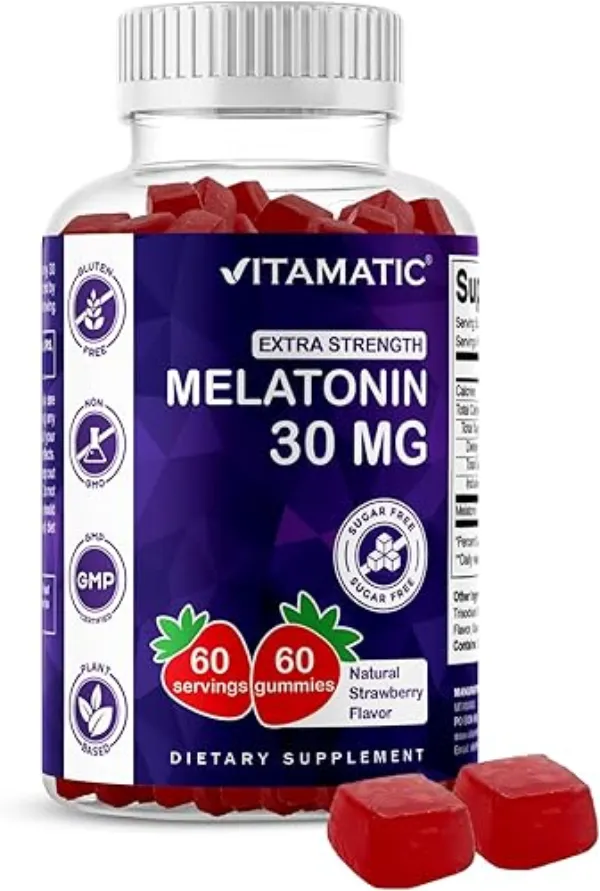
Safest Low-Dose Melatonin Gummies (Zero Overdose Risk at 1 Gummy)
← Scroll to see all columns →


*These statements have not been evaluated by the Food and Drug Administration. Melatonin supplements are not intended to diagnose, treat, cure, or prevent any disease. This article is for informational purposes only and does not constitute medical advice. Consult your healthcare provider before using melatonin, especially for children, during pregnancy or breastfeeding, or if you take prescription medications. If you suspect an overdose, contact Poison Control at 1-800-222-1222 or call 911.
Find the Safest Melatonin Gummies
Browse our expert-tested melatonin rankings with verified dosing accuracy and third-party testing. Every recommendation backed by clinical evidence and safety data.
See Our Top Melatonin Picks →