What Is Berberine Good For? The Complete Evidence-Based Guide
Berberine is a plant alkaloid with over 4,500 published studies showing benefits for blood sugar regulation, cholesterol management, weight loss, gut health, and inflammation. Often called "Nature's Ozempic" for its GLP-1 activating properties, berberine has demonstrated effects comparable to metformin in clinical trials.

Disclosure: We may earn a commission when you purchase through our links, at no extra cost to you. Our recommendations are based on editorial research and publicly available information. Full disclosure.
Prices and availability: Product prices and availability shown are accurate as of the date of publication and are subject to change. Any price and availability information displayed on Amazon.com at the time of purchase will apply.
If you have been researching natural supplements for metabolic health, you have almost certainly encountered berberine. This ancient plant compound has experienced a massive surge in popularity since 2023, driven by viral social media claims calling it "Nature's Ozempic." But unlike most supplement trends, berberine's reputation is built on a substantial foundation of clinical evidence — thousands of peer-reviewed studies spanning over four decades of research.
This guide examines every evidence-based benefit of berberine, the correct dosage for each condition, side effects and drug interactions to be aware of, and how berberine gummies compare to capsules. Whether you are considering berberine for blood sugar management, cholesterol, weight loss, or gut health, this is the most comprehensive resource available. For product recommendations, see our guide to the best berberine gummies.
peer-reviewed studies have been published on berberine as of 2026, making it one of the most researched plant-derived compounds in modern pharmacology. Source: PubMed database. The volume of clinical evidence behind berberine is unusual for a dietary supplement and comparable to many pharmaceutical compounds.
What Is Berberine?
Berberine is a bioactive alkaloid — a naturally occurring nitrogen-containing compound — found in the roots, stems, and bark of several plants including goldenseal (Hydrastis canadensis), barberry (Berberis vulgaris), Oregon grape (Mahonia aquifolium), and Chinese goldthread (Coptis chinensis). It has a distinctive bright yellow color that has been used as a natural dye for centuries, and a long history of use in both Traditional Chinese Medicine (TCM) and Ayurvedic medicine for treating infections and digestive disorders.
Modern science has identified berberine's primary mechanism of action: it activates an enzyme called AMP-activated protein kinase (AMPK), often referred to as the body's "metabolic master switch." AMPK is the same enzyme activated by exercise, caloric restriction, and the diabetes drug metformin. When AMPK is activated, it triggers a cascade of metabolic effects including increased glucose uptake by cells, enhanced fat oxidation, reduced cholesterol synthesis, and decreased inflammation.
Plant Sources
Goldenseal, barberry, Oregon grape, Chinese goldthread (Coptis), tree turmeric. Berberine is concentrated in roots and bark. Most supplements extract from Berberis aristata or Coptis chinensis.
AMPK Activation
Berberine activates AMP-activated protein kinase — the same "metabolic master switch" targeted by metformin and activated by exercise. AMPK regulates glucose metabolism, fat storage, and cellular energy production.
2,500+ Years of Use
Berberine has been used in Traditional Chinese Medicine and Ayurvedic medicine for millennia, primarily for treating GI infections, diarrhea, and inflammation. Modern research has validated many of these traditional uses.
Low Bioavailability
Berberine has naturally low oral bioavailability (approximately 5%). This is why the clinical dosage is relatively high (1,500mg/day) and why taking it with meals — which slows gastric transit — improves absorption.
The key insight about berberine is that it does not simply affect one pathway — it modulates multiple metabolic systems simultaneously. This explains why clinical research shows benefits across seemingly unrelated conditions like diabetes, high cholesterol, gut dysbiosis, and fatty liver. They are all connected through metabolic dysfunction, and berberine addresses the shared underlying mechanism through AMPK activation.
Ready to try berberine?
See our ranked guide to the best berberine gummies — dose, purity, and value compared. See rankings →
9 Science-Backed Benefits of Berberine
The following benefits are supported by human clinical trials, not just animal or in vitro studies. For each benefit, we cite the key supporting research and rate the strength of evidence so you can make an informed decision about whether berberine is appropriate for your specific health goals.
1. Blood Sugar and Insulin Sensitivity
Blood sugar regulation is berberine's strongest and most well-documented benefit. Multiple randomized controlled trials demonstrate that berberine significantly reduces fasting blood glucose, HbA1c (a marker of long-term blood sugar control), and post-meal glucose spikes. The mechanism involves AMPK-mediated increases in insulin receptor expression, enhanced glucose uptake by muscle cells, and reduced hepatic glucose production — essentially the same pathways targeted by metformin.
A landmark meta-analysis published in the Journal of Ethnopharmacology (2015) pooled data from 27 clinical trials involving 2,569 patients and concluded that berberine significantly reduced fasting blood glucose (mean reduction of 0.9 mmol/L), HbA1c (mean reduction of 0.72%), fasting insulin, and HOMA-IR (a measure of insulin resistance). These reductions are clinically meaningful — comparable to many first-line pharmaceutical interventions.
reduction in fasting blood glucose has been observed in clinical trials of berberine supplementation at 1,500mg/day for 12 weeks. Source: Meta-analysis of 27 RCTs, Journal of Ethnopharmacology (2015). This magnitude of reduction is comparable to metformin monotherapy in type 2 diabetes patients.
2. Cholesterol and Heart Health
Berberine lowers LDL cholesterol through a mechanism distinct from statins. While statins inhibit cholesterol synthesis (HMG-CoA reductase), berberine increases the expression of LDL receptors on liver cells, which pulls more LDL out of the bloodstream. This means berberine can potentially be used alongside statins for additive cholesterol-lowering effects — a strategy that some cardiologists are now exploring in clinical practice.
Clinical trials show berberine reduces LDL cholesterol by 20-25%, total cholesterol by 15-20%, and triglycerides by 25-35%, while slightly increasing HDL ("good") cholesterol. A 2004 study in Nature Medicine was the first to identify the LDL receptor upregulation mechanism, and subsequent trials confirmed these lipid-lowering effects across diverse patient populations. For people who cannot tolerate statins due to muscle pain or other side effects, berberine represents a viable alternative with a different mechanism and side effect profile.
3. Weight Management and GLP-1 Activation
Berberine's weight management effects operate through several mechanisms: AMPK activation increases fat oxidation, reduces lipogenesis (fat creation), and improves insulin sensitivity — all of which contribute to a metabolic environment that favors weight loss. But the mechanism that earned berberine its "Nature's Ozempic" nickname is its effect on GLP-1.
Research published in Diabetes (2009) and subsequent studies demonstrated that berberine stimulates the secretion of GLP-1 (glucagon-like peptide-1) from intestinal L-cells. GLP-1 is the same hormone targeted by semaglutide (Ozempic/Wegovy) and tirzepatide (Mounjaro). GLP-1 slows gastric emptying, increases satiety signaling to the brain, and enhances glucose-dependent insulin secretion. While berberine's GLP-1 stimulation is significantly weaker than injectable GLP-1 receptor agonists, it represents a meaningful and clinically documented appetite-regulating effect.
Reality check: Berberine is not Ozempic. Clinical trials show berberine produces modest weight loss of 3-5 pounds over 12 weeks — meaningful for metabolic health but nowhere near the 15-20% body weight reductions seen with semaglutide. The "Nature's Ozempic" nickname reflects a shared mechanism, not equivalent potency. If you are interested in gummy supplements for weight management, see our guide to the best weight loss gummies.
4. Gut Microbiome
Berberine has a profound and well-documented effect on the gut microbiome. Research shows it increases populations of beneficial bacteria (particularly Akkermansia muciniphila, a species associated with leanness and metabolic health), while reducing harmful bacteria and modulating the Firmicutes-to-Bacteroidetes ratio — an imbalance linked to obesity and metabolic syndrome. A 2020 study in Nature Medicine demonstrated that much of berberine's metabolic benefit may actually be mediated through its effects on gut bacteria rather than through direct AMPK activation alone.
Berberine also has antimicrobial activity against pathogenic gut bacteria without destroying beneficial species — a selective action that synthetic antibiotics cannot match. This makes it useful for conditions like small intestinal bacterial overgrowth (SIBO) and dysbiosis. If gut health is a primary concern, berberine can be complemented with a high-quality probiotic supplement. Our guide to the best probiotic gummies covers strains, CFU counts, and product recommendations.
5. Inflammation
Chronic low-grade inflammation — measured by biomarkers like C-reactive protein (CRP), interleukin-6 (IL-6), and tumor necrosis factor-alpha (TNF-alpha) — underlies most metabolic diseases. Berberine reduces inflammation through multiple pathways: it inhibits NF-kB (the master inflammatory transcription factor), reduces COX-2 expression, and decreases the production of pro-inflammatory cytokines. Clinical trials show berberine supplementation reduces CRP levels by 13-25% in patients with metabolic syndrome, which represents a meaningful reduction in systemic inflammation.
6. PCOS (Polycystic Ovary Syndrome)
Polycystic ovary syndrome affects 6-12% of women of reproductive age, and insulin resistance is a core feature of the condition. Because berberine directly targets insulin resistance through AMPK activation, it has shown significant benefits for PCOS symptoms. A 2012 study in the European Journal of Endocrinology found that berberine was comparable to metformin in improving insulin sensitivity, reducing androgens, and improving menstrual regularity in women with PCOS. A subsequent trial showed berberine improved ovulation rates and pregnancy outcomes in PCOS patients undergoing fertility treatment.
Insulin Resistance
Berberine reduces HOMA-IR (insulin resistance index) comparably to metformin in PCOS patients. Improved insulin sensitivity is the foundation of PCOS symptom improvement.
Androgen Reduction
By improving insulin signaling, berberine reduces excess androgen production — the hormonal imbalance responsible for acne, hirsutism, and hair thinning in PCOS.
Menstrual Regularity
Clinical trials show berberine improves cycle regularity and ovulation rates in PCOS. Some fertility specialists now include berberine in pre-conception protocols.
Lipid Profile
Women with PCOS often have dyslipidemia. Berberine addresses this simultaneously — reducing LDL, triglycerides, and total cholesterol while treating the underlying insulin resistance.
7. Fatty Liver (NAFLD)
Non-alcoholic fatty liver disease (NAFLD) affects an estimated 25% of the global population and is strongly linked to insulin resistance, obesity, and metabolic syndrome — all conditions that berberine targets. Clinical trials show berberine reduces liver fat content, normalizes liver enzymes (ALT and AST), and improves hepatic insulin sensitivity. A meta-analysis of 6 RCTs published in Phytomedicine (2020) concluded that berberine significantly reduced liver fat accumulation and improved liver function markers in patients with NAFLD. The mechanism involves AMPK-mediated increases in hepatic fat oxidation and decreases in de novo lipogenesis (the liver's production of new fat).
8. Cognitive Function
Emerging research suggests berberine may support cognitive function through its anti-inflammatory and neuroprotective properties. Berberine reduces neuroinflammation, inhibits acetylcholinesterase (the enzyme that breaks down the memory neurotransmitter acetylcholine), and protects against oxidative damage to neurons. Animal studies have shown berberine improves memory and learning, and early human studies suggest benefits for age-related cognitive decline. While the evidence is not as robust as for metabolic conditions, the neuroprotective properties of berberine are an active area of clinical investigation with promising preliminary results.
9. Antimicrobial Activity
Berberine has broad-spectrum antimicrobial properties that have been documented against bacteria, viruses, fungi, and parasites. Historically, berberine-containing plants were used to treat gastrointestinal infections, and modern research has confirmed activity against H. pylori, E. coli, Staphylococcus aureus, and Candida species. A notable clinical application is in the treatment of bacterial diarrhea, where berberine has shown efficacy comparable to some antibiotics without disrupting the beneficial gut microbiome. This antimicrobial activity, combined with berberine's anti-inflammatory effects, makes it particularly effective for gut-related infections and dysbiosis.
Berberine vs Metformin: Head-to-Head Comparison
The comparison between berberine and metformin is one of the most researched topics in integrative medicine. Both compounds activate AMPK, both lower blood sugar, and both improve insulin sensitivity. A pivotal 2008 study published in Metabolism directly compared 500mg berberine 3x/day to 500mg metformin 3x/day in patients with newly diagnosed type 2 diabetes over 13 weeks. The results showed no statistically significant difference in blood sugar reduction between the two groups. For a deep dive into this comparison with side-by-side data from every major clinical trial, read our full berberine vs metformin comparison.
| Factor | Berberine | Metformin |
|---|---|---|
| Classification | Dietary supplement (plant alkaloid) | Prescription medication (biguanide) |
| Mechanism | AMPK activation + GLP-1 stimulation + LDL receptor upregulation | AMPK activation + reduced hepatic glucose output |
| Fasting Glucose Reduction | 20-30% (comparable to metformin) | 20-30% |
| HbA1c Reduction | 0.5-0.9% | 0.8-1.5% |
| Cholesterol Effect | Significant — lowers LDL 20-25%, TG 25-35% | Modest — minimal direct lipid effects |
| GI Side Effects | Moderate (10-15% of users) | Common (20-30% of users) |
| Prescription Required | No — available OTC | Yes — requires physician prescription |
| FDA Regulated | As supplement only (not as drug) | Yes — fully FDA-approved |
| Cost (monthly) | $15-30 | $4-15 (generic) |
| Clinical Evidence | 4,500+ studies; strong for blood sugar and cholesterol | Decades of data; gold standard for type 2 diabetes |
Critical warning: Berberine is not a replacement for metformin or any prescribed diabetes medication. If you are currently taking metformin, do NOT stop or reduce your dose to switch to berberine without direct physician supervision. Blood sugar management in diabetes requires medical monitoring, and abrupt changes to medication can cause dangerous glucose fluctuations. Discuss berberine with your endocrinologist if you are interested in incorporating it into your treatment plan.
Why They Call It "Nature's Ozempic"
The "Nature's Ozempic" nickname exploded on TikTok and social media in 2023, when millions of users began sharing berberine as a natural alternative to the prescription weight loss drug semaglutide (Ozempic/Wegovy). The comparison is rooted in a real biological mechanism — both berberine and semaglutide activate GLP-1 signaling — but the magnitude of effect is dramatically different.
GLP-1 (glucagon-like peptide-1) is a hormone produced by intestinal L-cells in response to food intake. It performs three primary functions: it slows gastric emptying (keeping food in the stomach longer, which increases satiety), it signals the brain's appetite center to reduce hunger, and it enhances glucose-dependent insulin secretion. Semaglutide is a synthetic GLP-1 receptor agonist that binds directly to GLP-1 receptors with high affinity and a long half-life. Berberine stimulates the natural secretion of GLP-1 from L-cells — a meaningfully different and weaker mechanism.
average weight loss over 12 weeks in clinical trials of berberine (1,500mg/day). Compare this to 15-20% total body weight loss with semaglutide. The mechanisms overlap, but the potency does not. Berberine supports modest, gradual weight management — it is not a rapid weight loss supplement.
That said, berberine's weight management effects are real and clinically documented. A 2012 study in the journal Phytomedicine found that 500mg berberine 3x/day for 12 weeks resulted in significant reductions in body weight (average 5 lbs), BMI, and waist circumference. The weight loss was accompanied by improvements in triglycerides, cholesterol, and blood sugar — suggesting that berberine's weight management benefit is part of a broader metabolic improvement rather than a standalone appetite suppressant effect.
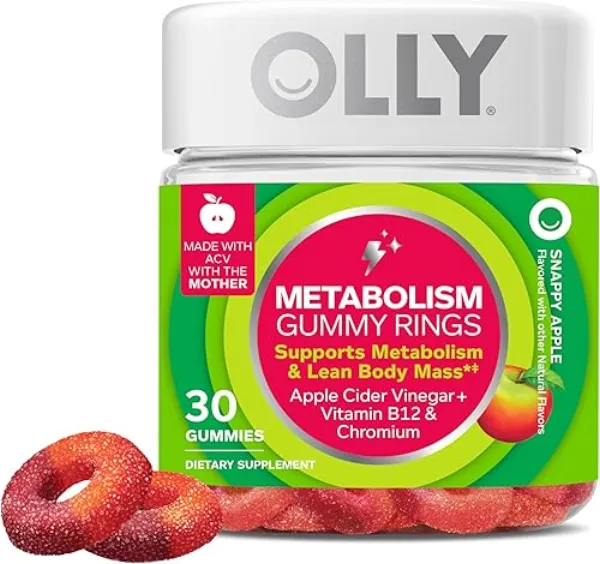
Correct Berberine Dosage by Condition
Dosage is one of the most critical factors in berberine supplementation. Under-dosing produces negligible effects, while the correct dose — taken at the right time — produces the clinical benefits documented in research. The standard protocol used in the majority of successful clinical trials is 500mg taken 2-3 times daily with meals, for a total daily intake of 1,000-1,500mg.
Taking berberine with meals serves two purposes: it improves absorption (food slows gastric transit, giving the intestines more time to absorb berberine) and it reduces the GI side effects that occur when berberine is taken on an empty stomach. Splitting the dose across meals also maintains more consistent blood levels throughout the day, which is important because berberine has a relatively short half-life of approximately 4-6 hours.
| Condition | Daily Dosage | Protocol | Duration in Studies |
|---|---|---|---|
| Blood sugar management | 1,500mg/day | 500mg 3x/day with meals | 8-13 weeks |
| Cholesterol reduction | 1,000-1,500mg/day | 500mg 2-3x/day with meals | 8-12 weeks |
| Weight management | 1,500mg/day | 500mg 3x/day with meals | 12 weeks |
| PCOS | 1,500mg/day | 500mg 3x/day with meals | 12-16 weeks |
| NAFLD (fatty liver) | 1,000-1,500mg/day | 500mg 2-3x/day with meals | 12-16 weeks |
| Gut health / dysbiosis | 1,000mg/day | 500mg 2x/day with meals | 8-12 weeks |
| General metabolic support | 1,000mg/day | 500mg 2x/day with meals | Ongoing |
Blood sugar warning: Berberine can lower blood sugar significantly. If you are taking insulin, sulfonylureas, or other glucose-lowering medications, adding berberine without medical supervision can cause dangerous hypoglycemia (blood sugar below 70 mg/dL). Symptoms include sweating, shakiness, confusion, rapid heartbeat, and in severe cases, loss of consciousness. Always consult your physician before combining berberine with diabetes medications, and monitor your blood sugar frequently when starting berberine.
How to start: Begin with 500mg once daily with your largest meal for the first 5-7 days. If tolerated without GI issues, increase to 500mg twice daily. After another week, increase to the full 500mg 3x/day if your target condition requires 1,500mg/day. This gradual titration reduces the risk of gastrointestinal side effects, which are most common during the first 1-2 weeks of supplementation.
Side Effects and Drug Interactions
Berberine is generally well-tolerated at recommended doses, but it is not side-effect-free. Understanding the potential adverse effects and drug interactions is essential for safe supplementation. The side effect profile is dose-dependent — most issues occur at higher doses or when berberine is taken on an empty stomach.
Common Side Effects
Gastrointestinal symptoms are by far the most common side effects, affecting approximately 10-15% of users. These include diarrhea, constipation, flatulence, abdominal cramping, and nausea. GI side effects are typically transient — they occur most frequently during the first 1-2 weeks of supplementation and often resolve with continued use. Taking berberine with meals and using a gradual dose escalation protocol (starting at 500mg/day and increasing over 2 weeks) significantly reduces the incidence and severity of GI symptoms.
GI Disturbance (10-15%)
Diarrhea, constipation, flatulence, nausea, and cramping. Most common in the first 2 weeks. Mitigated by taking with meals and starting at a lower dose.
Hypoglycemia Risk
Berberine lowers blood sugar. Combined with diabetes medications, this can cause dangerously low glucose. Monitor blood sugar carefully, especially when starting.
Low Blood Pressure
Berberine has mild vasodilatory effects and can lower blood pressure. People already on antihypertensive medications should monitor blood pressure when adding berberine.
Headache and Fatigue
Reported infrequently. Usually associated with blood sugar changes in the first week. Typically resolves with continued use and stable dosing.
Drug Interactions
Berberine is metabolized by cytochrome P450 enzymes (CYP2D6, CYP3A4, CYP2C9) and can alter the metabolism of drugs processed through the same pathways. The following interactions are clinically significant:
| Medication | Interaction | Risk Level |
|---|---|---|
| Metformin | Additive blood sugar lowering — increased hypoglycemia risk | High — requires physician monitoring |
| Insulin and sulfonylureas | Additive blood sugar lowering — can cause severe hypoglycemia | High — do not combine without MD |
| Blood thinners (warfarin) | Berberine may inhibit CYP enzymes that metabolize warfarin, increasing bleeding risk | High — requires INR monitoring |
| Cyclosporine | Berberine increases cyclosporine blood levels by inhibiting CYP3A4 | High — can cause cyclosporine toxicity |
| Antihypertensives | Additive blood pressure lowering | Moderate — monitor blood pressure |
| Statins | Berberine may increase statin blood levels via CYP3A4 inhibition | Moderate — inform physician |
| Macrolide antibiotics | Additive QT prolongation risk | Moderate — avoid concurrent use |
| Thyroid medications (levothyroxine) | Berberine may reduce absorption | Low-Moderate — separate by 2+ hours |
If you take any prescription medications, consult your physician or pharmacist before starting berberine. The CYP enzyme inhibition is the most concerning interaction because it can affect the blood levels of many drugs beyond those listed above. A pharmacist can perform a comprehensive drug interaction check for your specific medication list.
Berberine Gummies vs Capsules
The growing popularity of berberine has led to an expansion of available formats, including traditional capsules, tablets, and the increasingly popular gummy form. Each format has distinct advantages and trade-offs. The choice between berberine gummies and capsules comes down to dosing flexibility versus convenience and compliance.
Berberine Gummies
Pros: Pleasant taste, easier to take consistently, no pill-swallowing required, often combined with complementary ingredients (ACV, chromium). Cons: Typically 200-500mg per serving (may need multiple servings to reach clinical dose), contain added sugars, higher cost per milligram. Best for people who dislike pills and will take gummies more consistently.
Berberine Capsules
Pros: Higher dose per serving (500-600mg typical), more cost-effective per milligram, no added sugars, easier to reach clinical dose of 1,500mg/day. Cons: Some people dislike swallowing large capsules, lower compliance rates, no taste benefit. Best for people comfortable with pills who want maximum dosing efficiency.
The critical takeaway is that berberine's effectiveness depends on reaching the clinical dose of 1,000-1,500mg per day, regardless of format. A gummy that delivers 500mg per serving taken twice daily (1,000mg total) will produce clinical effects. A gummy that delivers 200mg per serving taken once daily (200mg total) will likely be sub-therapeutic. Always check the Supplement Facts label for the amount of berberine per serving and calculate whether your daily intake reaches the effective range. For our ranked product recommendations, see our comprehensive berberine gummies guide.
Berberine vs Metformin: which is right for you?
Read our detailed head-to-head comparison on efficacy, side effects, and cost. Read comparison →
Best Berberine Gummies in 2026
We evaluate berberine gummies based on berberine content per serving, third-party testing, additional ingredients, taste, and value. Here are three standout products — each delivers a clinically meaningful dose in gummy format. For full rankings with detailed individual reviews, see our complete berberine gummies guide.
#1 Best Overall Berberine Gummy
500mg berberine per serving, third-party tested. High-potency formula that delivers a clinically relevant dose in just one serving. Paired with chromium for enhanced glucose metabolism. Vegan, gluten-free, no artificial colors. Our top pick for berberine gummy supplementation.
#2 Best Value Berberine Gummy
400mg berberine per serving, excellent price per milligram. Budget-friendly option that still delivers close to the clinical dose when taken twice daily (800mg). Clean formula with no unnecessary fillers. Good choice for long-term daily supplementation.
#3 Best Berberine + ACV Combo Gummy
Berberine + apple cider vinegar in one gummy. Combines two trending metabolic health ingredients. Lower berberine dose per serving but the ACV adds complementary digestive and metabolic benefits. Best for people who want a multi-ingredient metabolic support gummy.
When choosing a berberine gummy, prioritize products that deliver at least 400-500mg per serving so you can reach the therapeutic range of 1,000-1,500mg/day without taking excessive servings. Third-party testing (USP, NSF, ConsumerLab) is especially important for berberine supplements because purity and potency vary significantly across brands. Read the full berberine gummies guide for detailed reviews and verified product links.
Who Should NOT Take Berberine
Despite its strong safety profile in healthy adults, berberine is contraindicated in several populations. These contraindications are based on known pharmacological effects and should be taken seriously. If you fall into any of the following categories, do not take berberine without explicit physician approval.
Pregnant Women
Berberine can cross the placental barrier and has been shown to cause uterine contractions in animal studies. It may also interfere with bilirubin metabolism in the fetus, increasing the risk of neonatal jaundice (kernicterus). Berberine is absolutely contraindicated during pregnancy.
Breastfeeding Women
Berberine is excreted in breast milk and can be transferred to the infant. Given the potential effects on infant bilirubin metabolism and blood sugar, berberine should not be taken during breastfeeding. Resume only after weaning.
Children
There are insufficient safety data on berberine supplementation in children. Most clinical trials have enrolled adults only. Do not give berberine supplements to children or adolescents under 18 without pediatrician guidance.
Liver Disease
Berberine is metabolized by the liver. Individuals with significant liver disease (cirrhosis, active hepatitis) may have impaired berberine metabolism, leading to accumulation and increased risk of adverse effects. Physician supervision is required. Note: berberine may help NAFLD, but this is a different condition from severe liver disease.
Low Blood Pressure
Berberine has vasodilatory effects and can lower blood pressure. People with hypotension or those taking multiple antihypertensive medications should use berberine cautiously, if at all, due to the risk of symptomatic low blood pressure (dizziness, fainting).
Pre-Surgery
Berberine may affect blood sugar control, blood pressure, and blood clotting during surgery. Discontinue berberine at least 2 weeks before any scheduled surgical procedure and inform your anesthesiologist that you were taking it.
Berberine — Frequently Asked Questions
What is berberine good for?
Berberine is a plant alkaloid with over 4,500 published studies supporting benefits for blood sugar regulation (reduces fasting glucose by 20-30%), cholesterol management (lowers LDL by 20-25%), weight management through GLP-1 activation, gut microbiome health, inflammation reduction, PCOS symptom relief, fatty liver improvement (NAFLD), cognitive function, and antimicrobial activity. It works primarily through AMPK activation — the same "metabolic master switch" targeted by metformin and activated by exercise.
Is berberine as effective as metformin?
In head-to-head clinical trials, berberine (500mg 3x/day) produced comparable reductions in fasting blood glucose and HbA1c to metformin (500mg 3x/day) over 13 weeks. However, berberine is a supplement and metformin is an FDA-approved medication. Berberine should not replace metformin without physician supervision. For our full side-by-side analysis, read our berberine vs metformin comparison.
Why is berberine called Nature's Ozempic?
Berberine earned this nickname because it activates GLP-1 (glucagon-like peptide-1) receptors — the same mechanism used by semaglutide (Ozempic) and tirzepatide (Mounjaro). GLP-1 slows gastric emptying, reduces appetite, and enhances insulin secretion. However, berberine's effect is significantly weaker — clinical trials show 3-5 lbs of weight loss over 12 weeks, versus 15-20% body weight loss with semaglutide.
What is the correct dosage of berberine?
The standard clinical dosage is 500mg taken 2-3 times daily with meals, for a total of 1,000-1,500mg/day. Taking berberine with meals improves absorption and reduces GI side effects. Start with 500mg once daily for the first week and increase gradually. Most clinical benefits are seen at the 1,500mg/day dose over 8-12 weeks.
What are the side effects of berberine?
The most common side effects are gastrointestinal — diarrhea, constipation, flatulence, and nausea, affecting about 10-15% of users. These are usually transient and dose-dependent. Berberine can also lower blood sugar and blood pressure, which requires monitoring if you take related medications. It interacts with metformin, blood thinners (warfarin), cyclosporine, and drugs metabolized by CYP enzymes.
Are berberine gummies as effective as capsules?
Yes, if they deliver the same total daily dose. The active compound is identical regardless of format. The key is reaching 1,000-1,500mg/day of berberine. Some gummies deliver 500mg per serving (clinically relevant), while others deliver 200mg (sub-therapeutic as a standalone dose). Check the label and calculate your daily total. Our berberine gummies guide ranks products by dose accuracy and potency.
Can I take berberine with metformin?
Only under direct physician supervision. Both berberine and metformin lower blood sugar through AMPK activation, so combining them increases hypoglycemia risk. Some integrative medicine practitioners use both at reduced doses, but this requires regular blood glucose monitoring and medical oversight. Never add berberine to a metformin regimen on your own.
How long does it take for berberine to work?
Some users notice reduced appetite and improved digestion within 1-2 weeks. Fasting blood glucose improvements typically appear at 2-4 weeks. Significant changes in HbA1c, LDL cholesterol, and triglycerides require 8-12 weeks of consistent daily use at 1,000-1,500mg/day. Weight loss effects are gradual — 3-5 pounds over 12 weeks. For maximum benefit, take berberine consistently for at least 12 weeks before evaluating its full effect.
*These statements have not been evaluated by the Food and Drug Administration. Berberine supplements are not intended to diagnose, treat, cure, or prevent any disease. This article is for informational purposes only and does not constitute medical advice. Consult your healthcare provider before starting any supplement regimen, especially if you have diabetes, take prescription medications, are pregnant, or are breastfeeding.
The Evidence-Based Verdict: What Is Berberine Good For?
Berberine is one of the most thoroughly researched natural compounds in modern pharmacology, with over 4,500 published studies supporting benefits across 9 major health areas. The strongest evidence supports its use for blood sugar regulation (comparable to metformin in clinical trials), cholesterol management (20-25% LDL reduction through a unique mechanism), and metabolic health through AMPK and GLP-1 activation. It also shows clinically meaningful benefits for PCOS, NAFLD, gut health, and inflammation.
At the standard dose of 500mg taken 2-3 times daily with meals, berberine is well-tolerated by most adults with GI side effects being the most common complaint. It is not appropriate for pregnant or breastfeeding women, children, or people with severe liver disease. Anyone taking prescription medications — especially metformin, insulin, blood thinners, or cyclosporine — must consult a physician before adding berberine. When used correctly, berberine represents a powerful, evidence-backed addition to a metabolic health regimen.
Related Guides on GummyGuide
Best Berberine Gummies
Full rankings of tested berberine gummies — dose accuracy, third-party testing, and value compared across the top products in 2026.
See Rankings → ComparisonBerberine vs Metformin
Head-to-head comparison with data from every major clinical trial — blood sugar, cholesterol, side effects, and cost.
Read Comparison → Weight LossBest Weight Loss Gummies
Complete guide to gummy supplements for weight management — berberine, ACV, garcinia, and metabolism-boosting formulas.
Read Guide → Gut HealthBest Probiotic Gummies
Complement berberine's gut microbiome benefits with a quality probiotic — strains, CFU counts, and product recommendations.
Read Guide →For a deep dive into how berberine compares to the prescription drug it is most often compared to, our full berberine vs metformin comparison covers clinical trial data, side effect profiles, and cost analysis. If weight management is your primary goal, our best weight loss gummies guide ranks berberine alongside ACV, garcinia, and other metabolic support supplements. And for gut health optimization, pair berberine with a high-quality probiotic from our probiotic gummies guide.
Find the Best Berberine Gummies
Browse our expert-tested berberine gummy rankings with third-party verified products. Every recommendation backed by clinical evidence and real-world testing.
See Our Top Berberine Picks →