Ashwagandha vs Lion's Mane: Which Should You Take?
Two of the most popular adaptogens in 2026, but they serve fundamentally different purposes. Ashwagandha reduces cortisol and manages stress. Lion's mane stimulates Nerve Growth Factor and enhances cognition. This evidence-based comparison will help you choose the right one — or determine if you should take both.
Disclosure: We may earn a commission when you purchase through our links, at no extra cost to you. Our recommendations are based on editorial research and publicly available information. Full disclosure.
Prices and availability: Product prices and availability shown are accurate as of the date of publication and are subject to change. Any price and availability information displayed on Amazon.com at the time of purchase will apply.
The Core Difference: Stress Reduction vs Cognitive Enhancement
Ashwagandha (Withania somnifera) and lion's mane (Hericium erinaceus) are both classified as adaptogens, but their mechanisms of action, clinical applications, and optimal use cases are strikingly different. Understanding this distinction is essential for choosing the right supplement — or designing an effective stack that leverages both.
Ashwagandha is primarily a cortisol modulator and anxiolytic. Its key bioactive compounds — withanolides — directly inhibit cortisol production via the HPA (hypothalamic-pituitary-adrenal) axis. This makes it the superior choice for individuals whose primary concern is chronic stress, anxiety, sleep quality, or stress-induced cognitive impairment.
Lion's mane is primarily a neurotrophic agent. Its unique compounds — hericenones and erinacines — cross the blood-brain barrier and stimulate the production of Nerve Growth Factor (NGF), a protein critical for neuron survival, growth, and repair. This makes it the superior choice for individuals seeking direct cognitive enhancement, improved memory, and neuroprotective benefits.
Ashwagandha works top-down by reducing the cortisol that impairs cognitive function. Lion's mane works bottom-up by stimulating the growth factors that build cognitive infrastructure. They address different root causes of suboptimal brain performance.
Head-to-Head Comparison
The Stress Reducer
Cortisol reduction, anxiety relief, improved sleep quality, testosterone support, stress resilience. Works via HPA axis modulation and GABAergic enhancement. Effects in 2-4 weeks.
The Cognitive Enhancer
NGF stimulation, memory improvement, focus enhancement, neuroprotection. Works via hericenone/erinacine-mediated neurotrophin synthesis. Effects in 2-8 weeks.
Detailed Factor-by-Factor Analysis
Ashwagandha: Withanolides modulate the HPA axis, directly reducing cortisol production. Also enhances GABA receptor activity for calming effects. Lion's Mane: Hericenones and erinacines cross the blood-brain barrier to stimulate NGF synthesis, promoting neuron growth and synaptic plasticity.
Ashwagandha: Over 24 clinical trials using KSM-66 alone, plus hundreds of studies on the raw herb. Multiple systematic reviews and meta-analyses published. Lion's Mane: Fewer human trials (approximately 10-15) but strong mechanistic evidence from in vitro and animal studies. The 2009 Mori et al. RCT is the landmark human study.
Winner: Ashwagandha. A 2019 meta-analysis of 5 RCTs confirmed significant anxiety reduction. Cortisol levels decrease by 23-30% in clinical studies. Lion's mane has some preliminary evidence for mood improvement but is not primarily an anxiolytic.
Winner: Lion's Mane. Direct NGF stimulation supports neuroplasticity and memory formation. The 2009 double-blind RCT showed significant cognitive improvement in older adults after 16 weeks. Ashwagandha can improve focus indirectly by reducing stress-related cognitive interference.
Winner: Ashwagandha. A 2020 systematic review of 5 RCTs found significant sleep quality improvement (SMD 0.68). Contains triethylene glycol that promotes non-REM sleep. Lion's mane has no documented sleep-promoting effects and is better suited for daytime use.
Winner: Lion's Mane. NGF stimulation directly supports neuron survival and repair. Research suggests potential applications in age-related cognitive decline and neurodegenerative conditions. Ashwagandha has some neuroprotective properties through oxidative stress reduction, but lacks the direct neurotrophic mechanism.
A 2019 meta-analysis in the Journal of Alternative and Complementary Medicine found that ashwagandha supplementation produced significant reductions in anxiety scores across all 5 randomized controlled trials analyzed. Separately, the landmark 2009 Mori et al. trial found that 3g/day of lion's mane for 16 weeks significantly improved cognitive function in adults aged 50-80 — benefits that reversed after supplementation stopped.
J. Alt. Comp. Med., 2019 (ashwagandha) / Phytotherapy Research, 2009 (lion's mane)When to Use Ashwagandha vs Lion's Mane
Choose Ashwagandha If You...
- Experience chronic stress, burnout, or elevated cortisol symptoms (weight gain around the midsection, poor sleep, irritability)
- Have difficulty falling or staying asleep due to an overactive mind
- Want an evidence-based supplement for generalized anxiety
- Are looking for testosterone and reproductive health support (men)
- Want improved exercise recovery and endurance
- Need a supplement that works relatively quickly (2-4 weeks for stress benefits)
Choose Lion's Mane If You...
- Want to improve memory, focus, and overall cognitive performance
- Are concerned about age-related cognitive decline or neuroprotection
- Work in knowledge-intensive professions requiring sustained concentration
- Are looking for a non-stimulant nootropic alternative to caffeine
- Want to support neuroplasticity and long-term brain health
- Are comfortable with a longer timeline for results (4-8 weeks for cognitive benefits)
Take Both Together If You...
- Experience both stress-related cognitive impairment AND want enhanced mental performance
- Want comprehensive brain support: stress reduction (ashwagandha) + cognitive enhancement (lion's mane)
- Are building a complete adaptogen stack for overall mental optimization
- Want better sleep (ashwagandha in evening) AND better daytime focus (lion's mane in morning)
Optimal stacking protocol: Take lion's mane (1,000mg fruiting body extract) in the morning with breakfast for daytime cognitive support. Take ashwagandha (KSM-66, 600mg) in the evening 1-2 hours before bed for cortisol reduction and sleep quality. This timing leverages each compound's strengths at the optimal time of day.
Dosage Comparison
KSM-66: 300-600mg per day, standardized to 5% withanolides. Most clinical trials use 600mg. Sensoril: 125-250mg per day, standardized to 10% withanolides. Higher concentration means lower required dose. Take with food to improve absorption and reduce GI discomfort.
Fruiting body extract: 1,000-3,000mg per day. The most commonly cited effective dose is 1,000mg of a standardized extract. Look for products specifying fruiting body source with beta-glucan content above 20%. Take with or without food — bioavailability is not significantly affected by meal timing.
KSM-66 (root only, most versatile), Sensoril (root + leaf, highest withanolide concentration), generic powder (unstandardized, less reliable). Gummies typically deliver 300-600mg per serving. Always verify the extract type on the supplement facts panel.
Fruiting body extract (highest hericenone content, preferred), mycelium-on-grain (lower bioactive concentration, higher starch filler), dual extract (hot water + alcohol, captures full spectrum). Gummies typically deliver 500-1,000mg per serving. Verify the mushroom source.
Safety and Side Effects Comparison
Both ashwagandha and lion's mane have excellent safety profiles in clinical research. However, they have different contraindication profiles that are important to understand.
May increase thyroid hormone production — avoid with hyperthyroidism. May lower blood sugar — monitor if taking diabetes medications. May increase testosterone — not suitable during pregnancy. Avoid with autoimmune conditions (may stimulate immune activity). May interact with sedatives, blood pressure medications, and immunosuppressants.
Avoid if you have mushroom allergies. May have mild anticoagulant properties — consult physician if taking blood thinners. May affect blood sugar regulation — monitor if on diabetes medications. Very few reported adverse effects in clinical trials. Generally considered one of the safest nootropic supplements available.
Our Top Gummy Recommendations
Best Ashwagandha Gummies
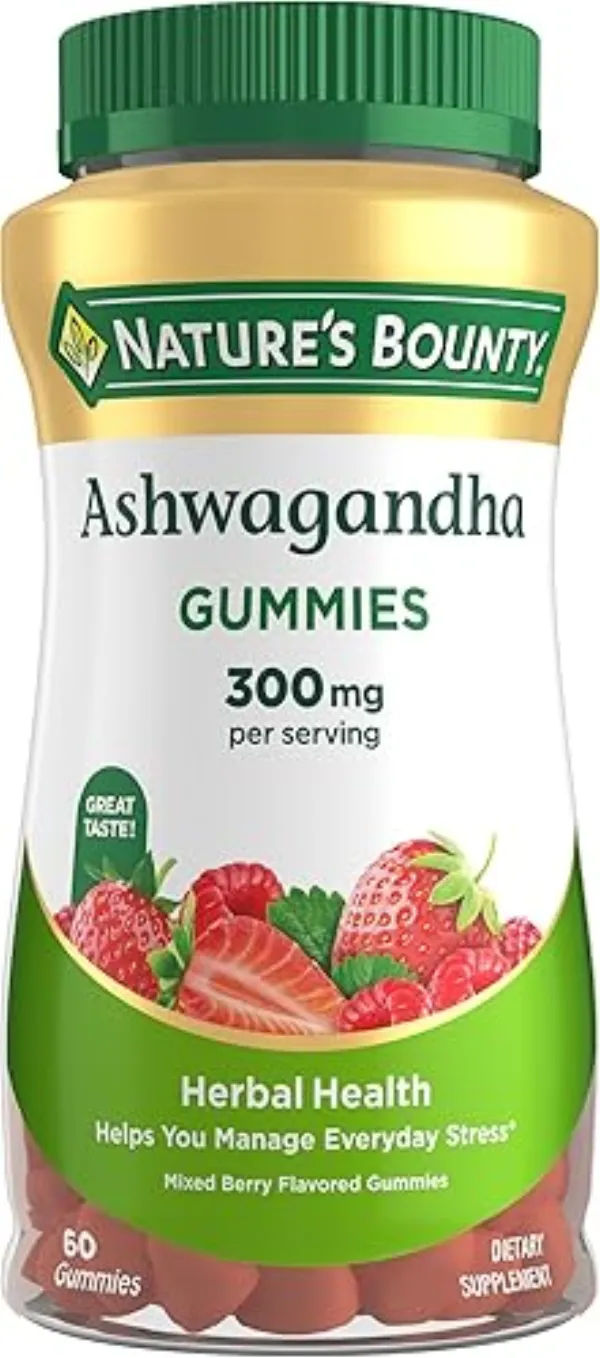
Goli
Ashwagandha & Vitamin D Gummies
Pros
- Uses clinically studied KSM-66 extract at full 600mg dose
- Added vitamin D for synergistic stress and mood support
- Excellent taste with mixed berry flavor
- Most-reviewed ashwagandha gummy on Amazon
Cons
- Contains added sugars (3g per serving)
- Premium pricing for the ashwagandha market
Goli's ashwagandha gummy delivers the full clinical dose of KSM-66 (600mg) with added vitamin D for synergistic mood and immune support. With over 12,000 reviews and a 4.6-star average, it is the most popular ashwagandha gummy on the market — and for good reason. The KSM-66 extract has been used in over 24 clinical trials demonstrating benefits for stress, sleep, testosterone, and exercise performance. Read our full ashwagandha gummies review for additional recommendations.
Best Lion's Mane Gummies
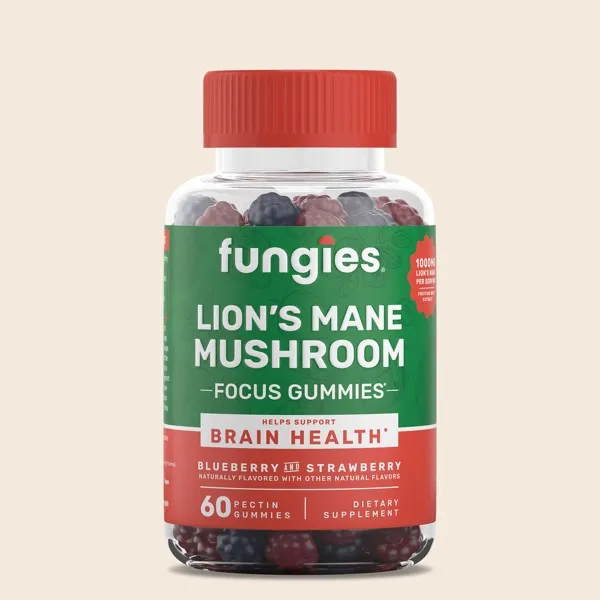
Fungies
Lion's Mane Gummies
Pros
- 100% fruiting body — no mycelium or grain filler
- Beta-glucan content verified above 30%
- 1,000mg per serving at the clinical threshold
- Best taste among mushroom gummies tested
Cons
- Does not specify hericenone/erinacine content
- Only available in one flavor
Fungies earns our top lion's mane recommendation with 1,000mg of 100% fruiting body extract, verified beta-glucan content above 30%, third-party testing, and the best taste in the mushroom gummy category. The combination of potency, purity, and palatability makes it the gold standard for cognitive support. See our complete lion's mane gummies ranking for all 8 recommendations.
Our Verdict: Ashwagandha vs Lion's Mane
These are not competing supplements — they are complementary tools for different aspects of mental performance. The right choice depends entirely on your primary goal.
- For stress, anxiety, and sleep: Ashwagandha (KSM-66, 600mg/day) — stronger evidence for cortisol reduction and sleep quality
- For focus, memory, and neuroprotection: Lion's Mane (1,000mg fruiting body/day) — unique NGF stimulation for direct cognitive enhancement
- For comprehensive mental optimization: Take both — lion's mane in the morning, ashwagandha in the evening
- Best ashwagandha gummy: Goli Ashwagandha — full KSM-66 dose, excellent taste, most reviewed
- Best lion's mane gummy: Fungies Lion's Mane — 100% fruiting body, >30% beta-glucans, best taste
If budget or simplicity is a concern and you can only choose one: pick ashwagandha if stress is your primary bottleneck, or lion's mane if you feel cognitively "foggy" without elevated stress levels. Most high-performers will benefit from both.
Frequently Asked Questions
Can I take ashwagandha and lion's mane together?
Yes. They work through entirely different mechanisms — ashwagandha modulates cortisol via the HPA axis while lion's mane stimulates NGF via hericenones and erinacines. A common protocol is lion's mane in the morning for daytime focus and ashwagandha in the evening for stress recovery and sleep. No adverse interactions have been reported in published literature.
Which is better for anxiety: ashwagandha or lion's mane?
Ashwagandha has stronger clinical evidence for anxiety. A 2019 meta-analysis of 5 RCTs found significant anxiety reduction on the Hamilton Anxiety Rating Scale. The mechanism involves direct cortisol reduction and GABAergic modulation. Lion's mane has preliminary evidence for mood improvement but is primarily a cognitive enhancer, not an anxiolytic.
Which is better for focus and memory?
Lion's mane is the superior choice for direct cognitive enhancement. Its hericenones and erinacines cross the blood-brain barrier and stimulate NGF production, supporting neuron growth, repair, and plasticity. The 2009 Mori et al. double-blind RCT demonstrated significant cognitive improvement after 16 weeks. Ashwagandha improves focus indirectly by reducing stress-related cognitive interference.
How long does each take to work?
Ashwagandha: measurable cortisol reduction in 2-4 weeks, full stress and sleep benefits by 6-8 weeks. Lion's mane: subtle focus improvements in 2-4 weeks, significant cognitive benefits documented at 8-16 weeks. Neither produces immediate acute effects. Consistency is critical for both.
What are KSM-66 and Sensoril?
KSM-66 is a full-spectrum ashwagandha root extract standardized to 5% withanolides, used in over 24 clinical trials. It is the most versatile extract. Sensoril is a root + leaf extract standardized to 10% withanolides, particularly studied for cortisol reduction. Both are superior to generic unstandardized ashwagandha powders. Always check which extract your gummy contains.
Are there any side effects of taking both?
Both have excellent safety profiles. Ashwagandha: avoid with hyperthyroidism, autoimmune conditions, or during pregnancy. Lion's mane: avoid with mushroom allergies. Both may interact with blood sugar and blood-thinning medications. No known interactions between the two compounds exist. Consult your physician if taking medications.
Which is better for sleep?
Ashwagandha is significantly better. A 2020 systematic review of 5 RCTs found significant sleep quality improvement (SMD 0.68). Contains triethylene glycol that promotes non-REM sleep. Lion's mane has no documented sleep-promoting effects and is better taken during the day.
What is the best stack for stress AND focus?
Lion's mane (1,000mg fruiting body, morning) + ashwagandha KSM-66 (600mg, evening). Lion's mane provides neurotrophic support for cognitive performance during the day. Ashwagandha reduces cortisol for stress resilience and restorative sleep at night. This combination addresses both pathways of optimal mental performance.
Find the Right Adaptogen Gummy
Explore our in-depth reviews of every adaptogen and functional mushroom category.
See All Top Picks →Related Articles
Best Ashwagandha Gummies
Full ranking of KSM-66 and Sensoril ashwagandha gummies for stress, sleep, and cortisol management.
Best Ashwagandha Gummies → MushroomsBest Lion's Mane Gummies
8 fruiting body lion's mane gummies ranked for NGF stimulation, focus, and cognitive performance.
Best Lion's Mane Gummies → MushroomsBest Reishi Gummies
Reishi gummies for sleep quality and immune support. Combines well with both ashwagandha and lion's mane.
Best Reishi Gummies → TrendingBest Focus Gummies
Nootropic gummies featuring lion's mane, L-theanine, and other cognitive enhancers for mental performance.
Best Focus Gummies →*These statements have not been evaluated by the Food and Drug Administration. The products discussed on this page are not intended to diagnose, treat, cure, or prevent any disease. Always consult your physician or qualified healthcare provider before starting any supplement regimen, particularly if you are pregnant, nursing, taking medication, or have a medical condition. Individual results may vary.
Browse all Mushrooms & Adaptogens gummies — explore our complete category of expert-tested gummy guides for every supplement need in this space.

Explore our complete guide to the best mushroom gummies for more top-rated picks in this category.