Melatonin Dosage Guide: How Much to Take by Age & Condition
Most people take too much melatonin. Research shows lower doses (0.5-1mg) are often more effective than the 5-10mg gummies dominating store shelves. This evidence-based guide covers optimal dosing for every age group, sleep condition, and use case — from jet lag to shift work to pediatric sleep support.

Disclosure: We may earn a commission when you purchase through our links, at no extra cost to you. Our recommendations are based on independent testing and research. Full disclosure.
The most common mistake with melatonin is taking too much. Store shelves are filled with 5mg and 10mg gummies, but clinical research consistently shows that physiological doses of 0.3-1mg are often equally or more effective than supraphysiological doses for improving sleep onset. Higher doses can paradoxically worsen sleep quality by causing fragmented sleep, vivid nightmares, and next-morning grogginess. This guide provides the evidence-based dosing protocols that most supplement labels fail to communicate.
is the physiological dose of melatonin — the amount that raises blood levels to the same range as natural nighttime melatonin production. A 2001 MIT study found that 0.3mg was optimal for sleep improvement, and that 3mg (10x more) was no more effective while causing more side effects. Yet the average melatonin gummy on the market contains 5-10mg — 17 to 33 times the physiological dose.
The Melatonin Dose-Response Paradox
Melatonin does not follow the "more is better" logic that applies to many supplements. It functions as a chronobiotic signal — a timing cue that tells your brain "it is time to sleep" — not as a sedative that knocks you out. The signal strength needed to shift your circadian clock is remarkably small. Exceeding the physiological range can actually desensitize melatonin receptors (MT1 and MT2 in the suprachiasmatic nucleus), reducing the supplement's effectiveness over time.
Melatonin Dosage by Age Group
| Age Group | Starting Dose | Typical Effective Dose | Maximum | Timing |
|---|---|---|---|---|
| Children 3-5 | 0.5mg | 0.5-1mg | 1mg | 30-60 min before bed |
| Children 6-12 | 0.5-1mg | 1-3mg | 3-5mg | 30-60 min before bed |
| Teens 13-17 | 1mg | 1-3mg | 5mg | 30-60 min before bed |
| Adults 18-64 | 0.5-1mg | 0.5-3mg | 5mg | 30-60 min before bed |
| Elderly 65+ | 0.3-0.5mg | 0.3-2mg | 2mg | 30-60 min before bed |
How to find your optimal dose: Start at 0.5mg for 3-5 nights. If sleep onset does not improve, increase to 1mg. Continue incrementally (1mg → 2mg → 3mg) with 3-5 night trials at each level. Stop increasing once you find the dose that helps you fall asleep within 20-30 minutes. Most people find their sweet spot between 0.5mg and 3mg. Doses above 5mg rarely provide additional benefit.
Melatonin Dosage by Sleep Condition
Sleep-Onset Insomnia
Dose: 0.5-3mg. Take 30-60 minutes before desired bedtime. Immediate-release formulation preferred. This is the most common use case and responds well to lower doses. If 3mg does not work within 2 weeks, melatonin may not be the right intervention.
Sleep Maintenance Insomnia
Dose: 1-2mg extended-release. For waking at 2-4 AM and struggling to return to sleep. Extended-release melatonin sustains blood levels over 6-8 hours. Immediate-release gummies are less effective for this pattern because they peak and clear too quickly.
Jet Lag (Eastward Travel)
Dose: 0.5-3mg. Take at local bedtime (destination) on arrival night and for 3-5 consecutive nights. A Cochrane review of 10 RCTs confirmed effectiveness for flights crossing 5+ time zones. Higher doses (5mg) showed no advantage over 0.5-3mg.
Shift Work Sleep Disorder
Dose: 1-3mg. Take 30 minutes before your desired sleep time, regardless of clock time. Combine with blackout curtains and earplugs. Melatonin helps reset the circadian signal when your work schedule conflicts with natural light-dark cycles.
Delayed Sleep-Wake Phase
Dose: 0.5-1mg. Take 3-5 hours before your current natural sleep time (not your desired bedtime) to gradually advance the circadian clock. This protocol shifts the body clock by 30-60 minutes per week. Low doses work better than high doses for circadian phase advancement.
Pediatric Sleep Difficulties
Dose: 0.5-1mg (ages 3-12). Always under pediatrician supervision. Start at 0.5mg. A JAMA Pediatrics study found 0.5mg equally effective as 3mg in children 6-12. For detailed pediatric dosing, see our melatonin gummies for kids guide.
When to Take Melatonin: Timing Matters More Than Dose
Melatonin timing is arguably more important than the dose itself. Taking melatonin at the wrong time can actually shift your circadian clock in the wrong direction, making sleep problems worse.
| Goal | When to Take | Why This Timing Works |
|---|---|---|
| Fall asleep faster | 30-60 min before bed | Melatonin peaks in blood at ~45 min, coinciding with desired sleep onset |
| Shift bedtime earlier | 3-5 hours before current sleep time | Advances circadian phase by signaling "darkness" before your body expects it |
| Jet lag (eastward) | Destination local bedtime | Synchronizes melatonin signal with the new time zone's dark period |
| Shift work sleep | 30 min before desired sleep | Creates an artificial "night" signal when sleeping during daylight hours |
| Stay asleep longer | At bedtime (extended-release) | Sustained release maintains melatonin levels through the entire sleep period |
Immediate-Release vs Extended-Release Melatonin
Standard Gummies & Tablets
Peaks in 30-45 minutes, clears in 4-6 hours. Best for falling asleep. Most gummy supplements are immediate-release. Ideal for sleep-onset insomnia and jet lag.
Time-Release Tablets
Slow release over 6-8 hours, mimicking natural melatonin curve. Best for staying asleep. Available primarily in tablet form. Ideal for middle-of-the-night waking and elderly adults.
Signs You Are Taking Too Much Melatonin
If you experience any of the following, your dose is likely too high: next-morning grogginess lasting past 10 AM, vivid or disturbing nightmares, headaches upon waking, dizziness, irritability, or paradoxical difficulty falling asleep (circadian disruption from receptor desensitization). Reduce your dose by 50% and reassess. Many people taking 5-10mg gummies find their sleep improves dramatically when they drop to 0.5-1mg.
Melatonin Drug Interactions
| Medication Class | Interaction | Risk Level |
|---|---|---|
| Blood Thinners (warfarin, heparin) | Increased bleeding risk | Moderate |
| Diabetes Medications | May affect blood glucose | Moderate |
| Fluvoxamine (Luvox) | Dramatically increases melatonin levels | High |
| Immunosuppressants | Melatonin stimulates immune function | Moderate |
| Blood Pressure Meds | Additive blood pressure lowering | Low-Moderate |
| Sedatives/Benzos | Additive sedation | Moderate |
Recommended Melatonin Gummies by Dose
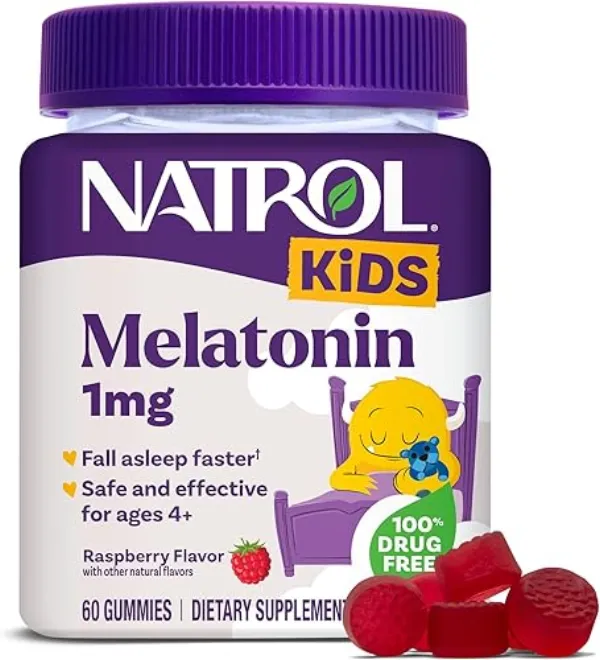
Natrol
Melatonin 1mg Gummies
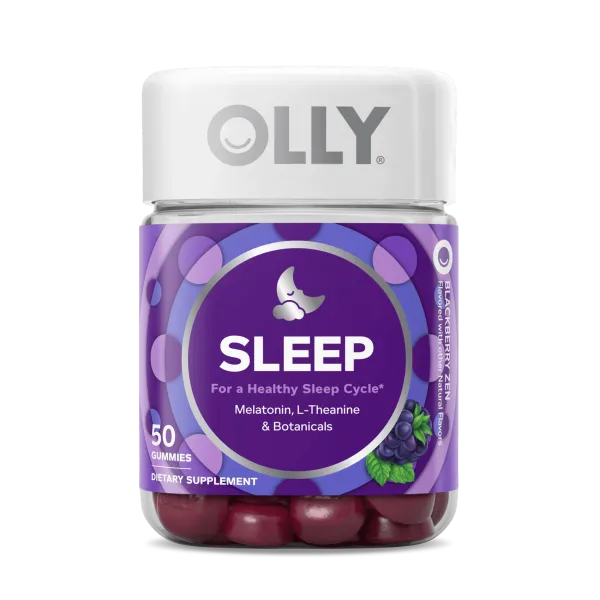
Olly
Sleep Gummies (3mg Melatonin + L-Theanine)
For the complete melatonin gummy rankings across all dose levels, see our best melatonin gummies guide. For children's melatonin specifically, read our melatonin gummies for kids guide.
The Bottom Line on Melatonin Dosing
Start low: 0.5-1mg for most adults. The physiological dose (0.3mg) is often sufficient. Higher doses do not produce proportionally better sleep.
Timing matters more than dose: Take melatonin 30-60 minutes before your desired bedtime. For circadian phase shifting, take it 3-5 hours before your current natural sleep time.
Less is more: If your current 5mg or 10mg gummy causes grogginess, try halving or quartering it. Many people sleep better at 1mg than 10mg.
Address the root cause: Melatonin is a signal, not a sedative. Combine it with proper sleep hygiene — consistent schedule, no screens before bed, cool dark room — for best results.
Related Sleep & Melatonin Guides
Best Melatonin Gummies
Complete rankings from 1mg to 10mg across all major brands, tested for dose accuracy.
See Rankings → KidsMelatonin for Kids
Pediatric dosing, safety research, and best picks for children's melatonin gummies.
Read Guide → Beyond MelatoninBest Sleep Gummies
Magnesium, L-theanine, and herbal sleep gummies for those who prefer melatonin-free options.
See Rankings → Mineral SleepMagnesium Gummies for Sleep
Magnesium glycinate and citrate gummies as a natural, non-hormonal sleep support alternative.
Read Guide →Melatonin Dosage — Frequently Asked Questions
How much melatonin should an adult take?
Start at 0.5-1mg, 30-60 minutes before bed. Research shows 0.3-1mg is often more effective than higher doses because it matches physiological melatonin levels. Maximum recommended: 5mg for most adults.
What is the best time to take melatonin?
30-60 minutes before desired bedtime for sleep onset. 3-5 hours before current sleep time for circadian phase shifting. At destination bedtime for jet lag. Timing matters more than dose.
Can you take too much melatonin?
Yes. Doses above 5mg rarely improve sleep and can cause grogginess, nightmares, headaches, and paradoxical insomnia. A meta-analysis found doses above 5mg no more effective than 1-3mg. More is not better.
How much melatonin should elderly adults take?
Start at 0.3-0.5mg, maximum 2mg. Elderly metabolize melatonin more slowly. Extended-release 2mg is FDA-approved in the EU for adults over 55 (Circadin). Check for drug interactions.
What melatonin dose is best for jet lag?
0.5-3mg at destination bedtime for 3-5 nights after arrival. A Cochrane review confirmed effectiveness for flights crossing 5+ time zones. Higher doses showed no advantage over 0.5-3mg.
Should I take regular or extended-release melatonin?
Immediate-release for falling asleep (sleep-onset insomnia). Extended-release for staying asleep (waking at 2-4 AM). Most gummy supplements are immediate-release.
Does melatonin interact with medications?
Yes — blood thinners, diabetes meds, fluvoxamine (dramatically increases melatonin levels), immunosuppressants, blood pressure meds, and sedatives. Always inform your doctor about melatonin use.
Is melatonin habit-forming?
No. Melatonin does not create physical dependence or tolerance. You can stop at any time without withdrawal. Temporary sleep worsening after stopping reflects the underlying sleep issue, not dependency.
*These statements have not been evaluated by the Food and Drug Administration. These products are not intended to diagnose, treat, cure, or prevent any disease. Consult your healthcare provider before starting any supplement regimen.
Find Your Ideal Melatonin Gummy
Browse our expert-tested melatonin rankings from 1mg to 10mg across all major brands.
See Best Melatonin Gummies →