How Much Vitamin D Should I Take? The Evidence-Based Dosage Guide
Most adults need 600-2,000 IU of vitamin D daily, but the optimal dose depends on your age, weight, sun exposure, and current blood levels. An estimated 42% of American adults are vitamin D deficient, with rates even higher among those with darker skin (82%), obesity (50%), and older adults (70%). This guide covers exact dosages by age, deficiency symptoms, target blood levels, and the best sources — including gummies.

Disclosure: We may earn a commission when you purchase through our links, at no extra cost to you. Our recommendations are based on editorial research and publicly available information. Full disclosure.
Prices and availability: Product prices and availability shown are accurate as of the date of publication and are subject to change. Any price and availability information displayed on Amazon.com at the time of purchase will apply.
Vitamin D is one of the most critical — and most commonly deficient — nutrients in the American diet. Often called the "sunshine vitamin," it functions more like a hormone than a traditional vitamin, influencing over 1,000 genes involved in calcium metabolism, immune regulation, mood, muscle function, and cellular growth. Despite its importance, an estimated 42% of American adults have blood levels classified as deficient (below 20 ng/mL), with prevalence rates reaching 82% among Black Americans and 69% among Hispanic Americans according to data from the National Health and Nutrition Examination Survey (NHANES).
The consequences of vitamin D deficiency extend far beyond weak bones. Research has linked low vitamin D status to increased risk of respiratory infections, autoimmune diseases, depression, cardiovascular disease, and certain cancers. Yet confusion about dosage remains widespread — how much should you actually take? The answer depends on your age, body weight, skin color, sun exposure, and current blood levels. This guide provides the evidence-based recommendations from major medical organizations and clinical trials so you can make an informed decision. If you are looking for product recommendations, see our guides to the best vitamin D gummies and best vitamin D3 gummies for adults.
of American adults are vitamin D deficient (25(OH)D below 20 ng/mL). Rates are even higher among Black Americans (82%), Hispanic Americans (69%), adults over 65 (70%), and individuals with obesity (50%). Source: National Health and Nutrition Examination Survey (NHANES), 2005-2006 data, published in Nutrition Research.
Recommended Vitamin D Dosage by Age
Vitamin D dosage recommendations vary between organizations because they define "sufficiency" differently. The NIH Institute of Medicine (IOM) set the Recommended Dietary Allowance (RDA) to prevent bone disease at blood levels of 20 ng/mL — a relatively low bar. The Endocrine Society, which focuses on optimal health outcomes including immune function and disease prevention, recommends higher intakes to achieve blood levels of 30-50 ng/mL. The table below presents both sets of recommendations so you can see the range.
| Age Group | NIH RDA (IU/day) | Endocrine Society (IU/day) | Upper Limit (IU/day) |
|---|---|---|---|
| Infants (0-12 months) | 400 | 400-1,000 | 1,000-1,500 |
| Children (1-8 years) | 600 | 600-1,000 | 2,500-3,000 |
| Teens (9-18 years) | 600 | 600-1,000 | 4,000 |
| Adults (19-70 years) | 600 | 1,500-2,000 | 4,000 |
| Adults (71+ years) | 800 | 1,500-2,000 | 4,000 |
| Pregnant / Lactating | 600 | 1,500-2,000 | 4,000 |
| Obese adults (BMI >30) | 600 | 2,000-4,000* | 4,000-10,000* |
*Obese individuals require 2-3 times more vitamin D than normal-weight adults because vitamin D is sequestered in adipose (fat) tissue and has reduced bioavailability. The Endocrine Society's 2011 Clinical Practice Guidelines specifically recommend that obese adults may need 6,000-10,000 IU daily to correct deficiency, followed by maintenance doses of 3,000-6,000 IU daily — all under physician supervision with periodic blood level monitoring.
Unit conversion: 1 mcg of vitamin D = 40 IU. If your supplement label uses micrograms (mcg), multiply by 40 to convert to International Units (IU). For example, 50 mcg = 2,000 IU. Most clinical guidelines and research papers use IU, while newer supplement labels increasingly use mcg as required by updated FDA labeling regulations.
Our #1 Pick: Nature Made Vitamin D3 Gummies
2000 IU D3, USP verified for purity and potency. See full review & buy →
Vitamin D Deficiency: 8 Signs and Symptoms
Vitamin D deficiency develops gradually and often goes undiagnosed for years because its symptoms mimic those of stress, aging, and general fatigue. Many physicians do not routinely test vitamin D levels unless a patient specifically requests it. If you experience three or more of the following symptoms, ask your doctor to order a 25-hydroxyvitamin D blood test.
1. Persistent Fatigue
Unexplained tiredness that does not improve with adequate sleep is one of the most common symptoms. A study in the North American Journal of Medical Sciences found that 77% of patients who reported chronic fatigue had suboptimal vitamin D levels. Correcting the deficiency significantly improved energy levels.
2. Bone and Joint Pain
Vitamin D is essential for calcium absorption. Without it, bones soften and weaken — a condition called osteomalacia in adults. Chronic bone pain, particularly in the lower back, hips, and legs, is a hallmark sign. Osteomalacia is frequently misdiagnosed as fibromyalgia or arthritis.
3. Muscle Weakness
Vitamin D receptors are present in skeletal muscle tissue. Deficiency causes proximal muscle weakness — difficulty climbing stairs, rising from a chair, or lifting objects overhead. In older adults, this weakness increases fall risk by up to 72% according to a meta-analysis in Molecular Aspects of Medicine.
4. Depression and Low Mood
Vitamin D receptors are concentrated in brain regions involved in mood regulation, including the prefrontal cortex and hippocampus. A 2013 meta-analysis in the British Journal of Psychiatry found that low vitamin D levels were associated with a significantly increased risk of depression. Supplementation improved depressive symptoms in deficient individuals.
5. Hair Loss
Vitamin D stimulates hair follicle cycling. Severe deficiency has been linked to alopecia areata — an autoimmune condition that causes patchy hair loss. While hair loss has many causes, vitamin D deficiency should be ruled out as a contributing factor, especially in women experiencing diffuse thinning.
6. Slow Wound Healing
Vitamin D plays a direct role in the inflammatory and antimicrobial phases of wound healing. It promotes the production of cathelicidin, an antimicrobial peptide that protects wounds from infection. Deficient individuals experience slower healing times after surgery, injury, or dental procedures.
7. Frequent Illness and Infection
Vitamin D activates T cells, macrophages, and natural killer cells — key components of both innate and adaptive immunity. People with blood levels below 20 ng/mL are 40% more likely to develop upper respiratory infections according to a study in Archives of Internal Medicine. Frequent colds, flu, and bronchitis may signal deficiency.
8. Chronic Back Pain
Vitamin D deficiency is an under-recognized cause of chronic lower back pain. A 2015 meta-analysis found that patients with chronic back pain had significantly lower vitamin D levels than pain-free controls. Supplementation reduced pain severity in deficient patients, suggesting that vitamin D testing should be standard in chronic pain workups.
What Blood Level of Vitamin D Should You Target?
The only reliable way to assess your vitamin D status is a 25-hydroxyvitamin D [25(OH)D] blood test — also called a calcidiol test. This measures the circulating form of vitamin D in your bloodstream and reflects both dietary intake and sun-derived synthesis. Most laboratories and clinical guidelines use the following classification ranges.
| Blood Level (ng/mL) | Blood Level (nmol/L) | Classification | Health Impact |
|---|---|---|---|
| <12 | <30 | Severely Deficient | Rickets (children), osteomalacia (adults), severely impaired immunity |
| 12-20 | 30-50 | Deficient | Increased bone loss, impaired calcium absorption, higher infection risk |
| 20-30 | 50-75 | Insufficient | Suboptimal bone health and immune function, higher disease risk |
| 30-50 | 75-125 | Sufficient (Optimal) | Optimal calcium absorption, bone density, immune function, and mood |
| 50-100 | 125-250 | High (No additional benefit) | No proven benefit over 30-50 range; may increase calcium-related risks |
| >150 | >375 | Toxic | Hypercalcemia, kidney damage, nausea, vomiting, confusion |
is the target range recommended by the Endocrine Society, American Geriatrics Society, and National Osteoporosis Foundation for optimal health outcomes including bone density, immune function, cardiovascular health, and cancer risk reduction.
If your blood level is below 20 ng/mL, your physician may prescribe a high-dose loading protocol — typically 50,000 IU of vitamin D2 or D3 once weekly for 8-12 weeks — followed by maintenance dosing of 1,500-2,000 IU daily. If your level is between 20-30 ng/mL, daily supplementation of 1,500-2,000 IU is usually sufficient to raise levels into the optimal range within 2-3 months. Retest your 25(OH)D level after 3 months of supplementation to verify you have reached the target range.
Vitamin D3 vs D2: Which Should You Take?
Not all vitamin D is created equal. The two supplemental forms — D3 (cholecalciferol) and D2 (ergocalciferol) — differ significantly in potency, half-life, and effectiveness at raising blood levels. The clinical evidence strongly favors D3 for supplementation.
| Factor | Vitamin D3 (Cholecalciferol) | Vitamin D2 (Ergocalciferol) |
|---|---|---|
| Source | Animal-based: fatty fish, egg yolks, lanolin (sheep wool), lichen (vegan D3) | Plant/fungal: UV-irradiated mushrooms, yeast |
| Potency | 87% more effective at raising 25(OH)D blood levels | Less potent per IU; requires higher doses for equivalent effect |
| Half-life | ~2-3 weeks — maintains stable blood levels longer | ~2 weeks — shorter duration, drops faster between doses |
| Bioavailability | Higher binding affinity to vitamin D-binding protein (DBP) | Lower DBP binding; more rapid clearance from circulation |
| Vegan Options | Yes — lichen-derived D3 is plant-based and equally effective | Yes — all D2 is plant-derived |
| Clinical Recommendation | Preferred by Endocrine Society and most clinical guidelines | Acceptable alternative; commonly used in prescription form |
A landmark 2012 meta-analysis published in the American Journal of Clinical Nutrition analyzed 10 randomized controlled trials and concluded that D3 was 87% more potent than D2 at raising serum 25(OH)D concentrations. D3 also produced more stable, sustained blood levels over time compared to D2, which tended to spike and drop more rapidly. For these reasons, D3 is the universally recommended form for supplementation. If you follow a strict vegan diet, lichen-derived vitamin D3 is now widely available and delivers the same efficacy as animal-sourced D3. Browse our top picks in our best vitamin D3 gummies for adults guide.
Best Sources of Vitamin D
Vitamin D is available from three sources: sunlight, food, and supplements. For most Americans, supplements are the most reliable way to maintain optimal levels because sun exposure is inconsistent and few foods contain meaningful amounts. Here is a breakdown of each source.
Sunlight
When UVB radiation from sunlight strikes the skin, it converts 7-dehydrocholesterol into previtamin D3, which is then transformed into active vitamin D3. Fair-skinned individuals can produce 10,000-20,000 IU from just 10-30 minutes of midday sun exposure with arms and legs uncovered. However, numerous factors dramatically reduce this production:
Sunscreen
SPF 30 blocks 97% of UVB rays. SPF 50 blocks 98%. While dermatologists rightfully recommend sunscreen for skin cancer prevention, consistent use virtually eliminates vitamin D synthesis from sun exposure.
Latitude and Season
People living above 37 degrees north latitude (roughly from San Francisco to Philadelphia) cannot produce meaningful vitamin D from sunlight between November and February because UVB rays are too weak. This affects approximately 70% of the US population.
Skin Pigmentation
Melanin acts as a natural sunscreen. People with darker skin need 3-6 times more sun exposure to produce the same amount of vitamin D as fair-skinned individuals. This is a primary reason why 82% of Black Americans are vitamin D deficient.
Age
Skin's capacity to produce vitamin D decreases with age. A 70-year-old produces approximately 25% of the vitamin D that a 20-year-old produces from the same sun exposure. This contributes to the 70% deficiency rate among older adults.
Food Sources
| Food | Serving Size | Vitamin D (IU) | % Daily Value |
|---|---|---|---|
| Cod liver oil | 1 tablespoon | 1,360 | 227% |
| Wild-caught salmon | 3 oz cooked | 570 | 95% |
| Canned tuna | 3 oz drained | 240 | 40% |
| UV-exposed mushrooms | 1 cup sliced | 366 | 61% |
| Fortified milk | 1 cup | 120 | 20% |
| Egg yolks | 1 large egg | 44 | 7% |
| Fortified orange juice | 1 cup | 100 | 17% |
| Sardines | 3.5 oz canned | 193 | 32% |
As the table illustrates, very few foods contain enough vitamin D to meet the recommended intake without supplementation. You would need to eat 3-4 servings of wild-caught salmon daily to reach 2,000 IU from food alone — which is neither practical nor affordable for most people. This is why the Endocrine Society states that most adults need vitamin D supplements to achieve optimal blood levels.
Supplements
Vitamin D supplements are the most reliable, consistent, and cost-effective way to maintain optimal 25(OH)D levels. They are available in capsules, soft gels, drops, and gummies. For taste, convenience, and compliance, gummies have become the most popular format — particularly for people who dislike swallowing pills. Our comprehensive vitamin D gummies guide reviews the top products on the market with dose accuracy testing and third-party verification data.
Vitamin D and Immune Health
The connection between vitamin D and immune function is one of the most extensively researched areas in nutritional science. Vitamin D receptors (VDRs) are expressed on virtually every cell of the immune system — including T cells, B cells, macrophages, dendritic cells, and natural killer cells. Without adequate vitamin D, these immune cells cannot activate and function properly.
Innate Immunity
Vitamin D triggers the production of cathelicidin and defensins — antimicrobial peptides that directly kill bacteria, viruses, and fungi. This is the body's first line of defense against pathogens and explains why vitamin D deficiency is associated with higher rates of respiratory infections.
Adaptive Immunity
Vitamin D modulates T cell and B cell responses, helping the immune system mount an effective defense while preventing overreaction. This dual role is critical — an immune system that overreacts causes autoimmune disease, while one that underreacts allows infections to persist.
Respiratory Infection Prevention
A landmark 2017 meta-analysis in the BMJ analyzed 25 randomized controlled trials with 11,321 participants and found that daily or weekly vitamin D supplementation reduced the risk of acute respiratory infections by 12% overall — and by 70% in participants who were severely deficient (<10 ng/mL) at baseline.
COVID-19 Research
Multiple observational studies during the COVID-19 pandemic found that patients with vitamin D deficiency had significantly higher rates of hospitalization, ICU admission, and mortality. While vitamin D is not a treatment for COVID-19, maintaining adequate levels (30-50 ng/mL) supports the immune response to respiratory viruses including SARS-CoV-2.
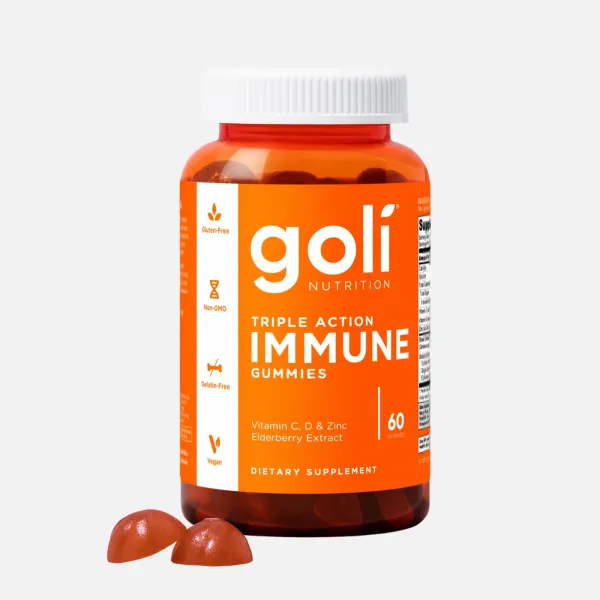
For a complete guide to immune-supporting supplements in gummy form, including vitamin D, vitamin C, zinc, and elderberry, see our best immune gummies guide. If you are building a comprehensive immune stack, combining a multivitamin gummy with a dedicated vitamin D3 supplement ensures coverage of both baseline nutrition and targeted immune support.
See all vitamin D gummies ranked for adults
D3 dose, third-party testing, and value compared side by side. See full rankings →
Vitamin D and Sleep Quality
An emerging body of research links vitamin D status to sleep quality — a connection that makes physiological sense when you consider the mechanisms involved. Vitamin D receptors are expressed in brain regions that regulate sleep, including the hypothalamus and brainstem, and vitamin D influences the production of serotonin — the precursor to melatonin, the body's primary sleep hormone.
Melatonin Production
Vitamin D is required for the expression of tryptophan hydroxylase 2 (TPH2), the enzyme that converts tryptophan into serotonin in the brain. Serotonin is then converted to melatonin by the pineal gland. When vitamin D levels are low, serotonin production falls, and melatonin synthesis is impaired — disrupting the circadian rhythm.
Sleep Quality Studies
A 2018 meta-analysis in Nutrients analyzing 9 studies with 9,397 participants found that vitamin D deficiency was associated with a significantly higher risk of sleep disorders, including shorter sleep duration, poorer sleep quality, and increased daytime sleepiness. Supplementation improved sleep outcomes in deficient individuals.
If you are experiencing poor sleep alongside symptoms of vitamin D deficiency, correcting the deficiency may improve your sleep quality without the need for dedicated sleep supplements. For comprehensive sleep support, explore our best sleep gummies guide, which covers melatonin, magnesium, L-theanine, and herbal formulas. You may also find our in-depth article on magnesium for sleep helpful, as magnesium works through complementary sleep pathways.
Can You Take Too Much Vitamin D?
Yes. While vitamin D toxicity from food or sunlight is virtually impossible, it can occur from excessive supplementation. The NIH Tolerable Upper Intake Level (UL) is 4,000 IU daily for adults — exceeding this amount chronically without medical supervision increases the risk of adverse effects.
Vitamin D toxicity warning: Taking more than 10,000 IU daily for extended periods without medical supervision can cause vitamin D toxicity (hypervitaminosis D). Symptoms include nausea, vomiting, poor appetite, constipation, weakness, weight loss, and — most dangerously — hypercalcemia (elevated blood calcium). Hypercalcemia can lead to calcium deposits in the kidneys (kidney stones), blood vessels (arterial calcification), and heart, potentially causing kidney failure, cardiac arrhythmia, and death in severe cases. Never take more than 4,000 IU daily unless directed by a physician with periodic blood level monitoring.
| Daily Dose | Risk Assessment | Monitoring Needed? |
|---|---|---|
| 600-2,000 IU | Safe for most adults without monitoring | Annual 25(OH)D test recommended but not required |
| 2,000-4,000 IU | Safe for most adults; at upper limit | 25(OH)D test every 6-12 months recommended |
| 4,000-10,000 IU | Above UL; physician supervision required | 25(OH)D and calcium levels every 3-6 months |
| >10,000 IU | High risk of toxicity; medical use only | Close physician monitoring required; monthly labs initially |
K2 pairing reduces risk: Taking vitamin K2 (MK-7 form, 100-200 mcg) alongside high-dose vitamin D helps direct calcium into bones rather than soft tissues, reducing the risk of arterial calcification and kidney stones. If you take more than 1,000 IU of vitamin D daily, consider pairing it with K2. Many quality vitamin D supplements now include K2 in the formula.
Best Vitamin D Gummies
Vitamin D gummies are the most popular supplement format for adults who want a convenient, pleasant-tasting way to maintain optimal levels. We have tested and reviewed the top vitamin D gummies for dose accuracy, form of vitamin D (D3 vs D2), third-party testing, additional synergistic ingredients, and value. Here are the three standouts.
#1 Best Overall: High-Potency D3 Gummy
2,000 IU (50 mcg) vitamin D3 per serving, third-party tested. Uses cholecalciferol (the preferred form) with no artificial colors or sweeteners. One gummy delivers the Endocrine Society's recommended daily dose for adults. Organic, non-GMO, and gluten-free. Our top recommendation for most adults.
#2 Best with K2: D3 + K2 Combo Gummy
2,000 IU vitamin D3 + 100 mcg vitamin K2 (MK-7) per serving. The gold-standard pairing for bone health and cardiovascular protection. K2 ensures calcium from vitamin D absorption goes to bones, not arteries. Ideal for adults over 50 and anyone taking D3 long-term.
#3 Best Vegan: Lichen-Derived D3 Gummy
1,000 IU vitamin D3 from lichen per serving. The only plant-based form of D3 — equally effective as animal-sourced D3 but suitable for vegans. Pectin-based (no gelatin), organic, and certified vegan. A lower dose that may require 2 gummies for optimal intake.
For complete product rankings with specific brand recommendations, testing data, and pricing comparisons, see our full vitamin D gummies guide. If you specifically want the D3 form (recommended over D2), our best vitamin D3 gummies for adults guide narrows the field to cholecalciferol-only products. For adults who want all-in-one nutritional coverage, our best gummies for adults roundup includes multivitamins with meaningful vitamin D doses.
How Much Vitamin D Should I Take — Frequently Asked Questions
How much vitamin D should I take daily?
Most adults need 600-2,000 IU of vitamin D daily. The NIH RDA is 600 IU for adults under 70 and 800 IU for those over 70. The Endocrine Society recommends 1,500-2,000 IU to maintain blood levels above 30 ng/mL. People who are obese, have darker skin, or have documented deficiency may need 2,000-4,000 IU under physician guidance.
What are the signs of vitamin D deficiency?
Common signs include persistent fatigue, bone and joint pain, muscle weakness, depression, hair loss, slow wound healing, frequent infections, and chronic back pain. These symptoms overlap with many conditions, so a 25(OH)D blood test is the only reliable way to confirm deficiency. Levels below 20 ng/mL are classified as deficient.
Is 5,000 IU of vitamin D too much?
For most healthy adults, 5,000 IU daily exceeds the NIH Upper Limit of 4,000 IU but is commonly prescribed to correct documented deficiency. Short-term use is generally safe, but long-term use without blood monitoring can cause toxicity including hypercalcemia and kidney stones. Do not take 5,000 IU daily without physician supervision.
What is the difference between vitamin D2 and D3?
Vitamin D3 (cholecalciferol) is 87% more effective than D2 (ergocalciferol) at raising blood levels. D3 has a longer half-life and higher binding affinity to vitamin D-binding protein. D3 is the recommended form for supplementation. Vegan D3 from lichen is available for plant-based diets.
Can you get enough vitamin D from the sun?
It is possible but unlikely for most Americans. Sunscreen, latitude, season, skin pigmentation, age, and indoor lifestyles all reduce vitamin D synthesis. An estimated 42% of Americans are deficient despite abundant sunlight, which demonstrates that sun exposure alone is insufficient for most people.
What blood level of vitamin D is optimal?
The optimal range is 30-50 ng/mL (75-125 nmol/L). Below 20 ng/mL is deficient and increases risk of bone disease, immune dysfunction, and depression. Between 20-30 ng/mL is insufficient. Above 50 ng/mL offers no additional benefit. Above 150 ng/mL is considered toxic.
Should I take vitamin D with vitamin K2?
Yes, especially at doses above 1,000 IU daily. Vitamin D increases calcium absorption, while K2 directs that calcium into bones rather than arteries and kidneys. A typical pairing is 2,000 IU D3 with 100-200 mcg K2 (MK-7). Many quality supplements now include both.
Are vitamin D gummies as effective as capsules?
Yes. Vitamin D is absorbed through the GI tract regardless of delivery format. Gummies, capsules, and liquid drops all deliver vitamin D effectively when taken with a fat-containing meal. The advantage of gummies is higher compliance — people take them consistently because they taste good. The most important factor is D3 vs D2 and the IU per serving.
*These statements have not been evaluated by the Food and Drug Administration. Vitamin D supplements are not intended to diagnose, treat, cure, or prevent any disease. This article is for informational purposes only and does not constitute medical advice. Consult your healthcare provider before starting any supplement regimen, especially if you take prescription medications, have kidney disease, or are pregnant or breastfeeding.
The Evidence-Based Verdict: How Much Vitamin D Should You Take?
For most adults, 1,500-2,000 IU of vitamin D3 daily is the sweet spot recommended by the Endocrine Society to maintain blood levels in the optimal 30-50 ng/mL range. The NIH RDA of 600-800 IU prevents severe deficiency but may be insufficient for optimal immune function, mood regulation, and disease prevention based on current evidence. People who are obese, have darker skin, are over 65, or get minimal sun exposure likely need 2,000-4,000 IU daily.
With 42% of Americans deficient, correcting vitamin D status is one of the most impactful, affordable, and low-risk interventions available. Get a 25(OH)D blood test to establish your baseline, choose a D3 supplement (preferably paired with K2), take it with a fat-containing meal for maximum absorption, and retest after 3 months. Vitamin D gummies offer the highest compliance rate and make daily supplementation easy and enjoyable.
Related Guides on GummyGuide
Best Vitamin D Gummies
Full rankings of tested vitamin D gummies — D3 vs D2, dose accuracy, third-party testing, and value compared for every budget.
See Rankings → D3 OnlyBest Vitamin D3 Gummies for Adults
Focused on cholecalciferol-only products — the form clinically proven to be 87% more effective than D2 at raising blood levels.
Read Guide → ImmunityBest Immune Gummies
Comprehensive immune support including vitamin D, vitamin C, zinc, elderberry, and echinacea — all in gummy form.
Read Guide → MultivitaminBest Multivitamin Gummies
All-in-one daily nutrition coverage including vitamin D alongside 12+ essential vitamins and minerals.
Read Guide →For deeper guidance on specific health goals, explore our best gummies for adults roundup covering all supplement categories. If immune support is your priority, our best immune gummies guide ranks products with meaningful vitamin D doses alongside complementary immune nutrients. And for product-specific D3 recommendations, our best vitamin D3 gummies for adults guide provides detailed testing data and head-to-head comparisons.
Find the Right Vitamin D Gummy for You
Browse our expert-tested vitamin D gummy rankings with third-party verified products. Every recommendation backed by clinical evidence and real-world dose accuracy testing.
See Our Top Vitamin D Picks →