Magnesium for Sleep: The Complete Science-Backed Guide
Nearly half of Americans are magnesium deficient — and that deficiency is silently destroying your sleep. We analyzed the clinical evidence on every form of magnesium to determine which types actually improve sleep quality, at what dose, and how they compare to prescription alternatives.

Disclosure: We may earn a commission when you purchase through our links, at no extra cost to you. Our recommendations are based on editorial research and publicly available information. Full disclosure.
Prices and availability: Product prices and availability shown are accurate as of the date of publication and are subject to change. Any price and availability information displayed on Amazon.com at the time of purchase will apply.
Magnesium is the fourth most abundant mineral in the human body and a cofactor in over 300 enzymatic reactions — yet an estimated 48% of Americans consume less than the recommended daily amount. The consequences extend far beyond muscle cramps. Magnesium plays a direct role in sleep regulation through its effects on GABA receptors, melatonin synthesis, and the hypothalamic-pituitary-adrenal (HPA) axis. When magnesium levels drop below optimal, the nervous system stays in a state of heightened excitability that makes falling asleep — and staying asleep — significantly harder.
This guide covers everything the clinical literature tells us about magnesium and sleep: which forms work best, the correct dosage, optimal timing, side effects, and how it stacks with other popular sleep supplements like melatonin and L-theanine gummies. If you are considering magnesium supplementation for sleep, this is the most comprehensive evidence-based resource available.
of Americans do not consume adequate magnesium from their diet — making it one of the most common nutrient deficiencies in the United States. Source: National Institutes of Health (NIH), Office of Dietary Supplements. This subclinical deficiency contributes to poor sleep quality, increased anxiety, and elevated stress hormones.
Does Magnesium Actually Help You Sleep?
The short answer is yes — and the evidence is strong enough that magnesium is now recommended by sleep medicine practitioners as a first-line natural intervention for insomnia. Unlike many supplement claims, the clinical data on magnesium and sleep comes from well-designed randomized controlled trials, not just observational studies.
The landmark study on magnesium and sleep was published in the Journal of Research in Medical Sciences in 2012. This double-blind, placebo-controlled trial enrolled 46 elderly adults with insomnia and assigned them to receive either 500mg of magnesium or placebo daily for 8 weeks. The magnesium group showed statistically significant improvements across every sleep metric measured:
Sleep Onset Latency
Time to fall asleep decreased significantly. Participants in the magnesium group fell asleep an average of 17 minutes faster than the placebo group by study end.
Sleep Efficiency
The percentage of time in bed spent actually sleeping improved by 17% in the magnesium group — from 75.6% to 88.4% — indicating deeper, more restorative sleep.
Total Sleep Time
Magnesium supplementation increased total sleep time and reduced early morning awakening. Participants reported feeling more rested upon waking.
Insomnia Severity Index
The ISI score — a validated clinical measure of insomnia severity — improved significantly in the magnesium group compared to placebo.
A second key study, published in Nutrients in 2017, conducted a systematic review of magnesium supplementation trials and confirmed that low magnesium status is associated with poor sleep quality. The review found that magnesium supplementation improved subjective measures of insomnia in older adults and in populations with baseline magnesium deficiency. The authors concluded that magnesium may be a useful, low-risk intervention for people with insomnia symptoms.
The mechanism is not mysterious. Magnesium works through three well-characterized pathways that directly influence sleep architecture — pathways we will examine in detail in the next section.
How Magnesium Affects Sleep: The Science
Magnesium does not work like a sedative drug. It does not knock you out or suppress consciousness. Instead, it creates the physiological conditions required for natural sleep onset by acting on multiple systems simultaneously. Understanding these mechanisms helps explain why magnesium is effective for so many different types of sleep problems — from difficulty falling asleep to anxiety-driven insomnia to restless legs.
1. GABA Receptor Activation
Gamma-aminobutyric acid (GABA) is the brain's primary inhibitory neurotransmitter — the chemical signal that tells neurons to slow down and stop firing. GABA is the same target used by prescription sleep medications like benzodiazepines (Valium, Ativan) and Z-drugs (Ambien, Lunesta). Magnesium is a natural positive allosteric modulator of GABA-A receptors, meaning it enhances the binding of GABA to its receptor and amplifies its calming effect. When magnesium levels are low, GABA receptor function is impaired, and the brain remains in a state of excitability that prevents sleep onset. Supplementing magnesium restores normal GABA signaling without the addiction risk or cognitive impairment associated with prescription GABAergic drugs.
Why this matters: Magnesium activates the same receptor system as Ambien — but without dependency, tolerance, or rebound insomnia. This is why many sleep medicine physicians now recommend magnesium glycinate as a first-line intervention before prescribing pharmaceuticals. If you are also interested in GABA supplementation, see our guide to the best GABA gummies.
2. HPA Axis Regulation and Cortisol Reduction
The hypothalamic-pituitary-adrenal (HPA) axis is the body's central stress response system. When you are stressed, the HPA axis triggers cortisol release. Elevated cortisol at night — a condition called hyperarousal — is one of the most common causes of insomnia. Magnesium directly modulates the HPA axis by regulating the release of adrenocorticotropic hormone (ACTH), which controls cortisol production. Studies show that magnesium deficiency leads to increased cortisol output, while supplementation reduces cortisol levels and calms the stress response. For people whose insomnia is driven by anxiety, racing thoughts, or an inability to "turn off" at night, magnesium's cortisol-lowering effect can be transformative.
3. Melatonin Synthesis Support
Magnesium is a required cofactor in the enzymatic conversion of serotonin to melatonin — the hormone that regulates your circadian clock and signals your body that it is time to sleep. Without adequate magnesium, melatonin production is impaired even when serotonin levels are normal. The 2012 trial mentioned above found that serum melatonin levels increased significantly in the magnesium supplementation group, suggesting that correcting a magnesium deficiency allows the body to produce more of its own melatonin naturally — potentially reducing or eliminating the need for exogenous melatonin supplementation.
4. Muscle Relaxation and Restless Legs
Magnesium regulates calcium influx into muscle cells. When magnesium is depleted, excess calcium enters muscle cells and causes sustained contraction — leading to cramps, twitching, and restless legs syndrome (RLS). A 1998 study in the journal Sleep found that magnesium supplementation reduced periodic limb movements during sleep (PLMS) and improved sleep quality in patients with RLS. For people whose sleep is disrupted by physical restlessness rather than mental hyperarousal, magnesium addresses the root cause directly.
improvement in sleep efficiency was measured in the 2012 RCT — from 75.6% to 88.4%. Sleep efficiency above 85% is considered clinically normal. Magnesium supplementation moved participants from clinically impaired to normal sleep efficiency in 8 weeks.
Our #1 Pick: Nature Calm Magnesium Glycinate Gummies
200mg glycinate, third-party tested, best-tasting magnesium gummy. See full review & buy →
Best Types of Magnesium for Sleep (Compared)
Not all magnesium is the same. There are over a dozen commercially available forms, and they differ dramatically in bioavailability, side effect profile, and efficacy for sleep. Choosing the wrong form — like magnesium oxide — means you absorb a fraction of the dose and experience unnecessary gastrointestinal side effects. The table below compares every relevant form so you can make an informed decision.
| Type | Best For | Bioavailability | Sleep Benefit | Side Effects |
|---|---|---|---|---|
| Magnesium Glycinate | Sleep + relaxation (best overall) | High (chelated) | ⭐⭐⭐⭐⭐ Excellent — glycine has independent calming effects | Minimal GI issues |
| Magnesium L-Threonate (Magtein) | Brain health + cognitive sleep | High (crosses BBB) | ⭐⭐⭐⭐⭐ Excellent — only form that increases brain Mg levels | Minimal; headache rare |
| Magnesium Taurate | Sleep + cardiovascular health | High (chelated) | ⭐⭐⭐⭐ Very good — taurine adds calming effect | Minimal GI issues |
| Magnesium Citrate | General supplementation | Moderate-High | ⭐⭐⭐ Good — effective but not sleep-specific | Laxative effect at higher doses |
| Magnesium Malate | Energy + muscle recovery | Moderate-High | ⭐⭐ Fair — better for daytime use | Mild GI issues possible |
| Magnesium Oxide | Laxative / antacid only | Low (4-5%) | ⭐ Poor — avoid for sleep | Strong laxative effect; cramping |
Our recommendation: For sleep, choose magnesium glycinate as your primary form. If brain fog, memory, or age-related cognitive decline is a concern alongside sleep, magnesium L-threonate (branded as Magtein) is the superior choice because it is the only form clinically demonstrated to cross the blood-brain barrier and elevate brain magnesium concentrations. Avoid magnesium oxide entirely — its 4-5% absorption rate means a 400mg capsule delivers roughly 16-20mg of usable magnesium while causing significant GI distress.
Magnesium Glycinate vs Citrate for Sleep
This is the most common question in magnesium supplementation, and the answer is unambiguous: magnesium glycinate is superior to magnesium citrate for sleep. The two forms differ in three clinically relevant ways. For our detailed head-to-head breakdown with product recommendations, read our full magnesium glycinate vs citrate comparison.
Magnesium Glycinate
Winner for sleep. Chelated with glycine — an amino acid that independently activates GABA receptors and lowers core body temperature. High bioavailability. Does not cause diarrhea or GI distress at therapeutic doses. Gentle enough for daily long-term use. This is what most sleep-focused supplements use.
Magnesium Citrate
Better for general supplementation. Bound to citric acid. Decent bioavailability but well-known for its osmotic laxative effect — it draws water into the intestines. At sleep-relevant doses (300-400mg), many people experience loose stools. Works for magnesium repletion but the GI side effects make it suboptimal as a nightly sleep supplement.
The glycine component of magnesium glycinate is what gives it a decisive advantage for sleep. A 2015 study in Neuropsychopharmacology found that 3g of glycine before bed improved subjective sleep quality, reduced sleep onset latency, and decreased daytime sleepiness — effects that were attributed to glycine's ability to lower core body temperature and activate NMDA receptors in the suprachiasmatic nucleus (the brain's master circadian clock). When you take magnesium glycinate, you get the sleep benefits of both magnesium and glycine simultaneously.
How Much Magnesium Should You Take for Sleep?
Dosage is critical. Too little magnesium has no measurable effect on sleep. Too much causes GI distress and can be dangerous for people with kidney impairment. The clinical trials that demonstrated sleep benefits used 200-500mg of elemental magnesium daily. The sweet spot for most adults is 200-400mg of elemental magnesium taken 1-2 hours before bed.
| Population | RDA (mg/day) | Therapeutic Dose for Sleep | Upper Limit (supplemental) |
|---|---|---|---|
| Adult men (19-30) | 400mg | 200-400mg before bed | 350mg |
| Adult men (31+) | 420mg | 200-400mg before bed | 350mg |
| Adult women (19-30) | 310mg | 200-350mg before bed | 350mg |
| Adult women (31+) | 320mg | 200-350mg before bed | 350mg |
| Pregnant women | 350-360mg | Consult physician | 350mg |
| Teens (14-18) | 360-410mg | 200-300mg before bed | 350mg |
| Children (9-13) | 240mg | Consult pediatrician | 350mg |
Important: NIH Upper Limit. The Tolerable Upper Intake Level (UL) for supplemental magnesium is 350mg/day for adults — this applies to magnesium from supplements and medications only, not from food. Exceeding this level increases the risk of diarrhea, nausea, and abdominal cramping. People with kidney disease should not take magnesium supplements without physician supervision, as the kidneys are responsible for excreting excess magnesium. Source: NIH Office of Dietary Supplements.
Important distinction: The milligrams listed on many supplement labels refer to the total weight of the magnesium compound (e.g., magnesium glycinate), not the elemental magnesium content. Magnesium glycinate is approximately 14% elemental magnesium by weight. So a label that says "1,000mg magnesium glycinate" contains roughly 140mg of elemental magnesium. Always check the Supplement Facts panel for "elemental magnesium" or "magnesium (as magnesium glycinate)" — that is the number that matters for dosing.
When to Take Magnesium for Sleep
Timing your magnesium dose correctly can meaningfully improve its effectiveness for sleep. Based on the pharmacokinetics of magnesium absorption and the clinical trial protocols that produced the strongest sleep outcomes, here is the optimal timing protocol:
1-2 Hours Before Bed
Take your magnesium dose 60-120 minutes before your target bedtime. This allows time for intestinal absorption and for magnesium to begin activating GABA receptors and lowering cortisol. Taking it at the exact moment you get into bed is too late for optimal effect.
With or Without Food
Magnesium glycinate can be taken on an empty stomach without GI issues. Magnesium citrate is better absorbed with food to minimize laxative effects. If you experience any stomach discomfort, take your magnesium with a small snack.
Consistency Is Critical
Magnesium works best when taken daily. The clinical trials showing significant sleep improvements ran for 8 weeks of daily dosing. Occasional or sporadic use will not produce the same results. Build magnesium into your nightly routine.
Avoid Combining with Certain Medications
Take magnesium at least 2 hours apart from antibiotics (tetracyclines, fluoroquinolones), bisphosphonates, and thyroid medications. Magnesium can reduce the absorption of these drugs.
Pro tip: Pair magnesium with a warm, caffeine-free beverage as part of a wind-down routine. The combination of magnesium supplementation + consistent sleep timing + reduced screen exposure 1 hour before bed produces significantly better results than any single intervention alone. Sleep hygiene amplifies magnesium's effects.
Magnesium Gummies vs Pills vs Powder
The delivery format you choose affects dose flexibility, cost, taste, and convenience — but not bioavailability. Magnesium is absorbed through the gastrointestinal tract regardless of whether it arrives as a gummy, capsule, tablet, or powder. The key variable is always the amount of elemental magnesium per serving and the specific form of magnesium used.
| Format | Elemental Mg per Serving | Taste | Compliance | Cost per Serving |
|---|---|---|---|---|
| Gummies | 50-200mg (typically lower) | Pleasant — flavored | Highest — easy to take nightly | $0.30-0.80 |
| Capsules | 100-400mg (higher range) | Neutral — swallowed | Moderate — some dislike pills | $0.15-0.50 |
| Powder | 200-400mg (most flexible) | Varies — mixed into liquid | Lower — requires preparation | $0.20-0.60 |
| Liquid | 150-350mg | Varies — often mineral taste | Moderate | $0.40-1.00 |
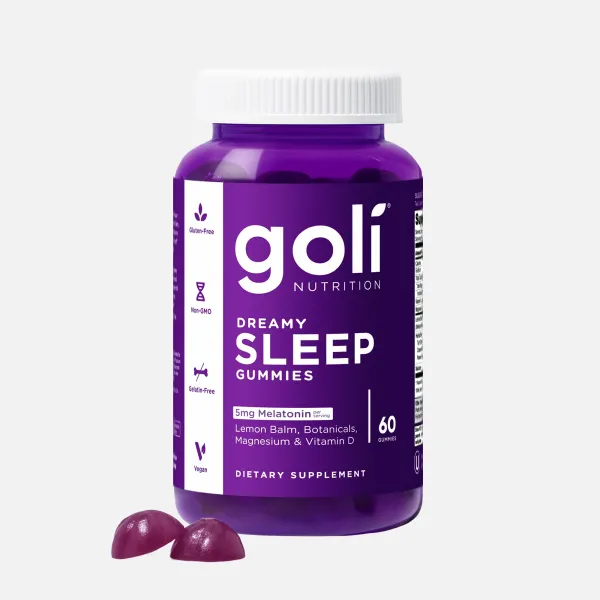
Gummies are the most popular format for magnesium sleep supplements, and for good reason — compliance (actually taking the supplement every night) is the most important predictor of results. A supplement that tastes good and is easy to take gets used consistently. That said, gummies typically contain less elemental magnesium per serving than capsules due to formulation constraints. If you choose gummies, verify the elemental magnesium amount on the label and consider whether you need additional capsules to reach the therapeutic range. Browse our curated selection of magnesium gummies or see our ranked list of the best magnesium gummies for sleep for tested product recommendations.
Looking for the complete ranking?
Our guide to the best magnesium gummies for sleep compares 8 products on dose, form, and value. See full review & buy →
Best Magnesium Gummies for Sleep in 2026
We have tested and reviewed dozens of magnesium gummy products for dose accuracy, form of magnesium used, third-party testing, taste, and value. Here are the three standouts for sleep — each uses a bioavailable form of magnesium at a clinically relevant dose. For the full rankings with detailed individual reviews, see our comprehensive best magnesium gummies for sleep guide.
#1 Best Overall: Magnesium Glycinate Gummy
200mg elemental magnesium (glycinate), third-party tested. Uses the optimal form for sleep with no artificial colors or flavors. Clinically relevant dose in 2 gummies. Berry-flavored, vegan, and gluten-free. Our top pick for dedicated magnesium sleep supplementation.
#2 Best Multi-Ingredient: Sleep Blend Gummy
Magnesium + melatonin + L-theanine in one gummy. Combines magnesium with complementary sleep compounds for a multi-pathway approach. Lower magnesium dose than a standalone product, but the synergistic formula may be more effective for some users.
#3 Best Budget: Magnesium Citrate Gummy
150mg elemental magnesium (citrate), excellent value. A cost-effective option at roughly $0.25/serving. Citrate is well-absorbed though more likely to cause GI effects than glycinate. Good for budget-conscious consumers who tolerate citrate well.
If you prefer the gummy format for convenience and compliance but want the full therapeutic dose, consider pairing a magnesium gummy with a magnesium glycinate capsule at night to reach the 300-400mg elemental range. And for a broader view of all gummy sleep supplements — not just magnesium — our best sleep gummies guide ranks products across every ingredient category including melatonin, L-theanine, and herbal blends.
Signs You're Magnesium Deficient
Magnesium deficiency rarely produces dramatic symptoms — it manifests as a collection of vague, chronic complaints that many people attribute to stress, aging, or poor sleep habits. The irony is that these symptoms are both caused by and contribute to poor sleep, creating a vicious cycle. If you experience three or more of the following, magnesium deficiency is a strong possibility worth investigating with your physician.
Difficulty Falling or Staying Asleep
Insomnia — particularly difficulty with sleep onset and frequent nighttime awakenings — is one of the earliest signs of subclinical magnesium deficiency. The brain cannot activate GABA receptors efficiently without adequate magnesium.
Muscle Cramps and Twitching
Involuntary muscle contractions, especially calf cramps at night, eyelid twitching, and restless legs are classic signs. Magnesium regulates calcium channels in muscle cells — without it, muscles contract excessively.
Anxiety and Irritability
Low magnesium increases HPA axis activity and cortisol output, creating a state of chronic low-grade anxiety. Many people are prescribed anti-anxiety medication when magnesium supplementation would address the root cause.
Chronic Fatigue
Magnesium is required for ATP production — the energy currency of every cell. Deficiency impairs cellular energy production, leading to persistent tiredness that sleep alone cannot resolve.
Frequent Headaches
Magnesium deficiency is a recognized contributor to tension headaches and migraines. The American Academy of Neurology and American Headache Society include magnesium in their migraine prevention guidelines.
Heart Palpitations
Magnesium regulates heart rhythm. Deficiency can cause benign but alarming palpitations, premature ventricular contractions (PVCs), and a sensation of the heart "skipping" beats.
Testing note: Standard serum magnesium blood tests are unreliable because only 1% of the body's magnesium is in the blood — the rest is in bones and soft tissue. A red blood cell (RBC) magnesium test is more accurate for detecting subclinical deficiency. Ask your physician specifically for an RBC magnesium test if you suspect deficiency.
Magnesium and Other Sleep Supplements
Magnesium works through different mechanisms than most other sleep supplements, which makes it an excellent base for a multi-ingredient sleep stack. Here is how it interacts with the most popular complementary compounds:
| Supplement | Mechanism | Synergy with Magnesium | Recommended Combo Dose |
|---|---|---|---|
| Melatonin | Circadian rhythm signaling | Excellent — complementary pathways. Mg supports natural melatonin production | 200-400mg Mg + 0.5-3mg melatonin |
| L-Theanine | Alpha wave promotion, GABA modulation | Excellent — L-theanine promotes calm alertness transitioning to sleep | 200-400mg Mg + 200mg L-theanine |
| GABA | Direct inhibitory neurotransmitter | Good — but redundant since Mg already activates GABA receptors | 200-400mg Mg + 100-200mg GABA |
| Ashwagandha | HPA axis regulation, cortisol reduction | Very good — both lower cortisol through different pathways | 200-400mg Mg + 300mg KSM-66 |
| Valerian Root | GABA reuptake inhibition | Moderate — some mechanism overlap | 200-400mg Mg + 300-600mg valerian |
The most evidence-backed combination is magnesium glycinate + melatonin for people with circadian rhythm disruption (jet lag, shift work, delayed sleep phase), and magnesium glycinate + L-theanine for people with anxiety-driven insomnia. If you are exploring these complementary ingredients, our guides to best melatonin gummies, L-theanine gummies, GABA gummies, and ashwagandha gummies cover the clinical evidence and top products for each.
Side Effects and Safety
Magnesium supplementation is generally safe for healthy adults at recommended doses. It has a wide therapeutic window and has been used in clinical settings for decades. That said, there are specific populations and situations where caution is warranted.
Common Side Effects
The most frequent side effect is gastrointestinal disturbance — loose stools, diarrhea, nausea, and abdominal cramping. These effects are dose-dependent and form-dependent. Magnesium citrate and magnesium oxide are the most likely to cause GI issues because they draw water into the intestines via osmosis. Magnesium glycinate, taurate, and threonate cause significantly fewer GI side effects and are preferred for daily nighttime use.
Kidney disease warning: People with impaired kidney function (eGFR below 60 mL/min) should NOT take magnesium supplements without physician approval. The kidneys are responsible for excreting excess magnesium. When kidney function is impaired, magnesium can accumulate to dangerous levels (hypermagnesemia), causing muscle weakness, difficulty breathing, irregular heartbeat, and in severe cases, cardiac arrest. This is a serious and potentially life-threatening condition. If you have any history of kidney disease, consult your nephrologist before taking magnesium.
Medication Interactions
Magnesium interacts with several classes of medication:
| Medication | Interaction | Management |
|---|---|---|
| Antibiotics (tetracycline, fluoroquinolones) | Magnesium reduces antibiotic absorption | Take magnesium 2+ hours before or 4-6 hours after antibiotic |
| Bisphosphonates (Fosamax, Boniva) | Magnesium reduces bisphosphonate absorption | Take magnesium 2+ hours apart from bisphosphonate |
| Diuretics (loop and thiazide) | Diuretics increase magnesium excretion | May need higher magnesium dose; physician monitoring |
| Proton pump inhibitors (omeprazole, etc.) | Long-term PPI use depletes magnesium | Magnesium supplementation may be beneficial; consult physician |
| Blood pressure medications | Additive blood pressure lowering | Monitor blood pressure; inform physician |
| Muscle relaxants | Additive muscle relaxation | Monitor for excessive drowsiness or weakness |
For the vast majority of healthy adults, magnesium glycinate at 200-400mg before bed is safe, well-tolerated, and carries no risk of dependency or withdrawal. Unlike prescription sleep aids, magnesium does not impair next-day cognitive function, does not cause rebound insomnia, and can be stopped at any time without tapering.
Magnesium for Sleep — Frequently Asked Questions
Does magnesium help you fall asleep faster?
Yes. Clinical studies show magnesium supplementation reduces sleep onset latency by an average of 12-17 minutes. Magnesium activates GABA receptors in the brain — the same receptors targeted by prescription sleep medications. A 2012 RCT in the Journal of Research in Medical Sciences found that 500mg of magnesium daily for 8 weeks significantly improved sleep onset and overall sleep quality compared to placebo.
What is the best form of magnesium for sleep?
Magnesium glycinate is the best overall form for sleep. The glycine amino acid has independent calming effects on the nervous system, and the compound has high bioavailability with minimal GI side effects. Magnesium L-threonate (Magtein) is the best for brain health because it crosses the blood-brain barrier. Both are well-tolerated at bedtime doses of 200-400mg elemental magnesium.
How much magnesium should I take before bed?
The therapeutic dose range for sleep is 200-400mg of elemental magnesium taken 1-2 hours before bed. The NIH Tolerable Upper Intake Level for supplemental magnesium is 350mg/day for adults. Start with 200mg and increase if needed. Always check the label for elemental magnesium content — not just the total weight of the magnesium compound.
Can I take magnesium with melatonin?
Yes, safely. They work through complementary mechanisms: melatonin signals your circadian clock, while magnesium activates the parasympathetic nervous system. Use 200-400mg magnesium glycinate with 0.5-3mg melatonin, both taken 1-2 hours before bed. No known adverse interactions at standard doses.
How long does it take for magnesium to improve sleep?
Some people notice improved relaxation within the first week. However, clinical studies show the most significant improvements at 4-8 weeks of consistent daily use. Magnesium works by gradually correcting a deficiency and rebalancing neurotransmitter activity — it is not an acute sedative.
Is magnesium safe for kids?
Magnesium is generally safe for children at age-appropriate doses. The NIH RDA ranges from 80mg (ages 1-3) to 240mg (ages 9-13). Supplemental magnesium for children should not exceed the Tolerable Upper Intake Level (65mg ages 1-3, 110mg ages 4-8, 350mg ages 9-18). Always consult a pediatrician before supplementing children.
Does magnesium help with anxiety and sleep?
Yes, through overlapping mechanisms. Magnesium activates GABA-A receptors, regulates the HPA axis (lowering cortisol), and supports serotonin synthesis. A 2017 systematic review in Nutrients confirmed magnesium supplementation has beneficial effects on subjective anxiety. Since anxiety is a leading cause of insomnia, reducing anxiety with magnesium often improves sleep as a secondary benefit.
What are the side effects of magnesium for sleep?
The most common side effect is loose stools or diarrhea — most likely with magnesium citrate and oxide. Magnesium glycinate and threonate cause fewer GI issues. People with kidney disease should avoid supplements because impaired kidneys cannot excrete excess magnesium, risking hypermagnesemia. Stay within the NIH UL of 350mg supplemental magnesium per day.
*These statements have not been evaluated by the Food and Drug Administration. Magnesium supplements are not intended to diagnose, treat, cure, or prevent any disease. This article is for informational purposes only and does not constitute medical advice. Consult your healthcare provider before starting any supplement regimen, especially if you have kidney disease, take prescription medications, or are pregnant or breastfeeding.
The Evidence-Based Verdict: Does Magnesium Help You Sleep?
Yes — and the evidence is robust. Magnesium supplementation improves sleep efficiency by up to 17%, reduces sleep onset latency, increases total sleep time, and lowers insomnia severity scores in randomized controlled trials. It works through four well-characterized mechanisms: GABA receptor activation, cortisol reduction, melatonin synthesis support, and muscle relaxation. The best forms for sleep are magnesium glycinate and magnesium L-threonate.
With 48% of Americans not meeting their daily magnesium requirement, correcting this deficiency is one of the simplest, safest, and most cost-effective interventions available for improving sleep quality. Unlike prescription sleep aids, magnesium carries no risk of dependency, tolerance, or rebound insomnia. Start with 200mg of magnesium glycinate 1-2 hours before bed, be consistent for at least 4-8 weeks, and combine with good sleep hygiene for optimal results.
Related Guides on GummyGuide
Best Magnesium Gummies for Sleep
Full rankings of tested magnesium gummies — glycinate, citrate, and multi-ingredient blends compared for dose accuracy and sleep efficacy.
See Rankings → ComparisonMagnesium Glycinate vs Citrate
Head-to-head comparison of the two most popular magnesium forms — absorption, side effects, and which is better for sleep.
Read Comparison → SleepBest Sleep Gummies
Complete guide to every type of sleep gummy — melatonin, magnesium, L-theanine, GABA, and herbal blends ranked and reviewed.
Read Guide → MelatoninBest Melatonin Gummies
If your sleep issue is circadian-related (jet lag, shift work, delayed phase), melatonin may be the better primary intervention.
Read Guide →For a deeper dive into the glycinate vs citrate question, our full magnesium glycinate vs citrate comparison covers absorption data, GI tolerance, pricing, and specific product recommendations for each form. If you are building a comprehensive sleep supplement stack, start with our best sleep gummies guide and explore individual ingredient pages for best melatonin gummies, L-theanine gummies, and GABA gummies.
Find the Best Magnesium for Sleep
Browse our expert-tested magnesium gummy rankings with third-party verified products. Every recommendation backed by clinical evidence and real-world testing.
See Our Top Magnesium Picks →