Melatonin Gummies Side Effects: The Complete Safety Guide
The most common side effects of melatonin gummies are morning drowsiness (15-20% of users), headache (7%), nausea (5%), and dizziness (4%). These effects are typically mild and dose-dependent — higher doses cause more side effects without improving sleep quality. Most side effects resolve when you reduce the dose or stop taking melatonin.

Disclosure: We may earn a commission when you purchase through our links, at no extra cost to you. Our recommendations are based on editorial research and publicly available information. Full disclosure.
Prices and availability: Product prices and availability shown are accurate as of the date of publication and are subject to change. Any price and availability information displayed on Amazon.com at the time of purchase will apply.
Melatonin gummies are the most popular sleep supplement in America — an estimated 27.4 million adults used melatonin in 2023, according to the National Center for Health Statistics. Sales have increased over 500% in the past decade. Yet most consumers know very little about the side effect profile, drug interactions, or populations that should avoid melatonin entirely. The supplement's over-the-counter availability creates a false sense of complete safety.
This guide covers every documented side effect of melatonin gummies — organized by severity — along with drug interactions, special populations who should avoid melatonin, strategies to minimize side effects, ingredients to watch on labels, and evidence-based alternatives. If you take or are considering melatonin gummies, this is the most comprehensive safety resource available.
American adults used melatonin in 2023, making it the second most popular natural supplement after vitamin D. Usage has increased over 500% since 2012. Source: National Center for Health Statistics, CDC. Despite widespread use, most consumers exceed the clinically effective dose by 3-10x.
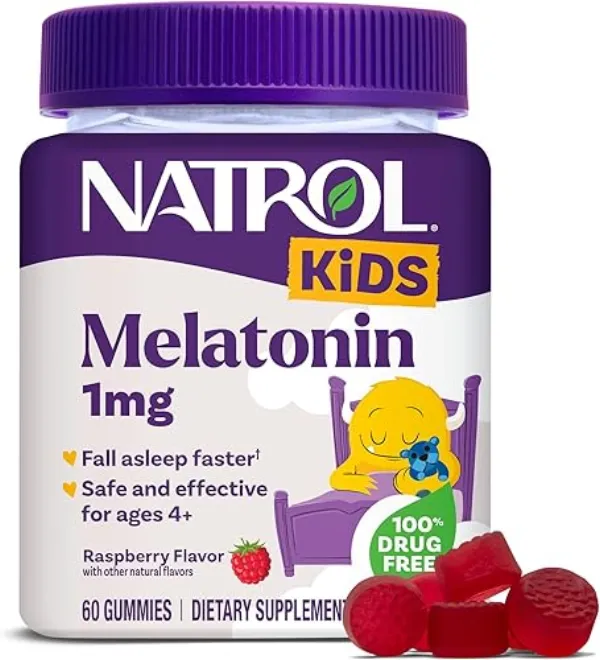
Natrol
Melatonin 1mg Gummies — Clinically Effective Minimum
If you are concerned about side effects, this is the safest starting point. 1mg matches the dose used in most positive clinical trials — enough to support sleep onset, low enough to minimize next-day drowsiness. For a full breakdown of dose accuracy and third-party testing across 11 brands, see our best melatonin gummies of 2026 guide.
Common Side Effects of Melatonin Gummies (Mild)
The following side effects are classified as mild because they are transient, dose-dependent, and resolve without medical intervention when the dose is reduced or melatonin is discontinued. These are the side effects reported most frequently in clinical trials and FDA adverse event databases. Importantly, their incidence increases significantly at doses above 3mg — which is why sleep medicine physicians consistently recommend starting at the lowest effective dose.
Morning Drowsiness — 15-20%
The most commonly reported side effect. Melatonin has a half-life of 40-60 minutes, but in slow metabolizers or at higher doses (5mg+), residual melatonin remains active into the morning. This "melatonin hangover" manifests as grogginess, difficulty waking, and impaired alertness for 1-3 hours after rising. It is most pronounced with extended-release formulations and doses above 3mg.
Headache — 7%
Headache is the second most common side effect in clinical trials, reported by approximately 7% of melatonin users. It typically presents as a mild tension-type headache in the morning. The mechanism is believed to involve melatonin's vasodilatory effects — it widens blood vessels, which can trigger headaches in susceptible individuals. Reducing dose usually eliminates this effect.
Nausea — 5%
Approximately 5% of users report mild nausea, usually when taking melatonin on an empty stomach or at doses above 3mg. Gummy formulations may exacerbate nausea in some people due to added sugars, sugar alcohols (like sorbitol), or artificial flavoring. Taking melatonin with a small snack can reduce this effect.
Dizziness — 4%
Mild dizziness or lightheadedness is reported by about 4% of users, most often upon waking or during nighttime awakenings. Melatonin lowers blood pressure slightly, and the combination of drowsiness plus mild hypotension can produce dizziness — particularly in older adults or people already taking blood pressure medication.
Irritability — 3%
Some users experience mood changes including irritability, restlessness, or agitation — particularly children and adolescents. This paradoxical effect may be related to melatonin's influence on serotonin receptors. If melatonin consistently causes irritability, it is a signal to discontinue use rather than increase dose.
Stomach Discomfort — 3%
Gastrointestinal symptoms including stomach cramps, bloating, and mild abdominal pain are reported by roughly 3% of users. Gummy-specific ingredients — particularly sugar alcohols, gelatin, and high fructose levels — may contribute to GI symptoms independent of the melatonin itself. Sugar-free gummies with sorbitol are especially likely to cause GI distress.
Key insight: Most mild side effects are dose-dependent. Clinical studies show that 0.5-1mg of melatonin is just as effective for sleep onset as 5-10mg — but with significantly fewer side effects. If you experience any of the above, reduce your dose before discontinuing melatonin entirely. For detailed dosing guidance, see our guide on how many melatonin gummies you should take.
Want a melatonin gummy with minimal side effects?
See our tested picks at safe doses — all third-party verified. See rankings →
Less Common Side Effects of Melatonin
The following side effects are less frequently reported but are clinically documented in the literature. They tend to occur at higher doses (5mg+), with prolonged use, or in individuals with pre-existing conditions that make them more susceptible. While uncommon, these effects are important to understand because they are often unexpected and may not be immediately attributed to melatonin.
| Side Effect | Estimated Frequency | Risk Factors | Notes |
|---|---|---|---|
| Vivid or disturbing dreams | 2-5% | Higher doses, SSRI combination | Melatonin increases REM sleep duration and intensity. More time in REM = more vivid dreams, which some users find disturbing. Typically resolves with dose reduction. |
| Mood changes / low mood | 1-3% | History of depression, high doses | Melatonin interacts with serotonin pathways. In people with existing mood disorders, exogenous melatonin may worsen depressive symptoms. Discontinue if mood deteriorates. |
| Short-term depressive feelings | 1-2% | Pre-existing depression, seasonal affective disorder | Melatonin is linked to seasonal depression (SAD) — winter's longer darkness triggers higher melatonin production. Supplementing melatonin in depression-prone individuals may mimic this effect. |
| Hormonal effects | Rare at standard doses | High doses (10mg+), long-term use, children | Melatonin influences reproductive hormones including LH, FSH, estrogen, and testosterone. Effects are minimal at 0.5-3mg but become a concern at high doses or in prepubertal children. |
| Daytime sleepiness (persistent) | 2-4% | Slow metabolizers, extended-release formulas | Some individuals metabolize melatonin slowly due to CYP1A2 enzyme variations. For these people, even moderate doses produce next-day sedation that interferes with driving and work performance. |
| Blood pressure changes | Rare | Existing hypo/hypertension, BP medications | Melatonin can lower blood pressure mildly. This is beneficial for most people but can cause symptomatic hypotension when combined with antihypertensive drugs. |
If you experience vivid nightmares, worsening mood, or persistent daytime drowsiness after starting melatonin, these are clear signals to reduce your dose or discontinue use. These side effects should not be "pushed through" — they indicate that your current dose exceeds what your body needs or can metabolize efficiently. For more information on safe dosing limits, read our guide on how much melatonin is safe.
Melatonin Gummy Side Effects in Children
Melatonin use in children has surged — and with it, serious safety concerns. Pediatric melatonin use increased by 530% between 2012 and 2021, largely driven by the availability of flavored gummies that children readily consume. While melatonin is sometimes appropriate for children with specific sleep disorders under medical supervision, the widespread unmonitored use in healthy children raises concerns that most parents are not aware of.
CDC Alert: Pediatric ER Visits. Between 2012 and 2021, U.S. poison control centers received over 260,000 calls related to pediatric melatonin ingestion — a 530% increase. The CDC and FDA have reported that melatonin-related emergency room visits for children under 5 increased dramatically, with most cases involving accidental ingestion of gummy products that resemble candy. Five children required mechanical ventilation, and two deaths were reported. Source: CDC Morbidity and Mortality Weekly Report, June 2022.
The American Academy of Sleep Medicine (AASM) issued a formal health advisory in 2022 urging caution with pediatric melatonin use. Their concerns center on three issues:
Inconsistent Dosing in Gummies
A 2023 study in JAMA tested 25 commercial melatonin gummy products and found that actual melatonin content ranged from 74% to 347% of the labeled dose. One product contained 347% of its claimed melatonin — meaning a child receiving what parents believed was a 1mg dose was actually consuming 3.47mg. This dosing variability is a direct safety risk.
Lack of Long-Term Pediatric Studies
There are no large-scale, long-term safety studies on melatonin use in children lasting more than 12 months. Most pediatric trials are small (under 100 participants), short (4-12 weeks), and focused on children with neurodevelopmental disorders like autism or ADHD — not neurotypical children with behavioral sleep issues.
Candy-Like Gummies Increase Accidental Ingestion
Gummy melatonin products look, taste, and are packaged similarly to candy. Children who find these products unsupervised may consume multiple gummies, leading to overdose symptoms including excessive drowsiness, vomiting, and in severe cases, respiratory depression. Child-resistant packaging is not required for dietary supplements.
If you use melatonin for your child, the safest approach is to use the lowest available dose (0.5mg), use it only under pediatric guidance, store gummies in a locked cabinet, and exhaust behavioral sleep interventions first. For more on overdose risk and what to do if a child consumes too many gummies, read our guide on melatonin overdose.
Melatonin and Hormones: What the Research Shows
Melatonin is not just a sleep molecule — it is a hormone. Produced by the pineal gland, melatonin interacts with the endocrine system in ways that extend far beyond circadian rhythm regulation. While these hormonal effects are generally insignificant at low doses in adults, they become a legitimate concern at high doses, with long-term use, and — most importantly — in children and adolescents whose endocrine systems are still developing.
Reproductive Hormones
Melatonin has documented effects on gonadotropin-releasing hormone (GnRH), luteinizing hormone (LH), and follicle-stimulating hormone (FSH). In animal studies, high-dose melatonin suppresses these reproductive hormones — an effect that is well-characterized in seasonal breeders (animals that use melatonin levels to time their reproductive cycles). In humans, the evidence is less definitive but not negligible. A 2020 review in Frontiers in Endocrinology concluded that while standard doses (0.5-3mg) are unlikely to affect adult reproductive hormones, doses above 5mg taken chronically warrant monitoring.
Puberty concerns in children and adolescents. The most significant hormonal concern is in prepubertal and pubertal children. Melatonin naturally decreases during puberty — this decline is part of the hormonal cascade that triggers pubertal development. Supplementing exogenous melatonin during this critical window could theoretically delay puberty by maintaining elevated melatonin levels that suppress GnRH pulsatility. While no clinical trial has definitively demonstrated delayed puberty from melatonin supplementation, the theoretical mechanism is biologically plausible, and the European Medicines Agency classifies melatonin as prescription-only for this reason.
Thyroid Function
Melatonin interacts with thyroid hormone metabolism. Animal studies show that melatonin can reduce T3 and T4 levels and alter TSH secretion patterns. In humans, the clinical significance is unclear at standard doses, but people with existing thyroid disorders (hypothyroidism or hyperthyroidism) should inform their endocrinologist about melatonin use. Thyroid medication timing may need adjustment.
Insulin and Blood Sugar
Melatonin receptors (MT1 and MT2) are expressed on pancreatic beta cells, where they influence insulin secretion. Studies show that melatonin can reduce insulin sensitivity when taken close to a meal — which is why taking melatonin too early in the evening (before or during dinner) may impair glucose metabolism. This is particularly relevant for people with type 2 diabetes or metabolic syndrome. The solution is simple: take melatonin 1-2 hours before bed, not with dinner.
increase in pediatric melatonin-related poison control calls between 2012-2021. Over 260,000 calls were logged. Source: CDC MMWR, 2022. The gummy format — which resembles candy — was identified as a primary contributor to accidental pediatric ingestion.
Melatonin Drug Interactions
Melatonin interacts with a broader range of medications than most consumers realize. Because it is sold over the counter without a pharmacist consultation requirement, many people combine melatonin with prescription medications without understanding the potential interactions. The following table covers every clinically significant interaction documented in the medical literature.
| Medication Class | Interaction | Risk Level | Recommendation |
|---|---|---|---|
| Blood thinners (warfarin, aspirin) | Melatonin may increase anticoagulant effects and bleeding risk | Moderate-High | Monitor INR closely; inform physician before starting melatonin |
| Diabetes medications (insulin, metformin) | Melatonin reduces insulin sensitivity and may alter blood sugar control | Moderate | Monitor blood glucose; take melatonin at bedtime, not with meals |
| Immunosuppressants (cyclosporine, tacrolimus) | Melatonin stimulates immune function, potentially counteracting immunosuppression | Moderate-High | Avoid melatonin or use only with transplant physician approval |
| Anti-seizure medications (valproate, carbamazepine) | Complex interaction — melatonin may alter seizure threshold in some individuals | Moderate | Use only under neurologist supervision; monitor seizure frequency |
| Birth control pills | Oral contraceptives increase endogenous melatonin levels; supplemental melatonin may cause excessive sedation | Low-Moderate | Use a lower melatonin dose (0.5mg); monitor for excessive drowsiness |
| CNS depressants (benzodiazepines, opioids) | Additive sedation; increased risk of respiratory depression | High | Avoid combination or use only under physician guidance |
| Caffeine | Caffeine inhibits melatonin production and blocks melatonin receptors | Low | Avoid caffeine after 2pm; caffeine reduces melatonin's effectiveness |
| Alcohol | Alcohol disrupts sleep architecture and may increase melatonin side effects | Moderate | Avoid alcohol on nights you take melatonin; additive sedation risk |
| Blood pressure medications | Additive blood pressure lowering; risk of symptomatic hypotension | Low-Moderate | Monitor blood pressure; inform physician |
| SSRIs / SNRIs (antidepressants) | Both affect serotonin; may increase risk of vivid dreams and mood changes | Low-Moderate | Monitor for mood changes; use lowest effective melatonin dose |
| Fluvoxamine (Luvox) | Fluvoxamine inhibits CYP1A2, dramatically slowing melatonin metabolism — can increase melatonin blood levels by 12-17x | High | Avoid combination or reduce melatonin dose to 0.5mg maximum |
The most dangerous interaction on this list is with fluvoxamine (Luvox), which inhibits the CYP1A2 enzyme responsible for melatonin metabolism. This interaction can increase melatonin blood levels by 12-17 times, turning a standard 3mg dose into the equivalent of 36-51mg — far above any therapeutic range. If you take fluvoxamine, do not use melatonin without explicit physician guidance.
Who Should NOT Take Melatonin Gummies
While melatonin is safe for most healthy adults at appropriate doses, certain populations should avoid melatonin entirely or use it only under strict medical supervision. The following groups face elevated risk of adverse effects due to underlying conditions that interact with melatonin's hormonal and immunological activity.
Autoimmune Disorders
Melatonin stimulates the immune system — it enhances T-cell activity and increases production of inflammatory cytokines. For people with autoimmune conditions (rheumatoid arthritis, lupus, multiple sclerosis, Crohn's disease), melatonin could theoretically worsen disease activity by amplifying the already overactive immune response. Consult your rheumatologist before use.
Pregnant Women
Melatonin crosses the placenta and reaches the developing fetus. While melatonin plays a natural role in fetal development, the effects of supplemental (exogenous) melatonin during pregnancy are not well-studied. Most OB/GYNs recommend avoiding melatonin during pregnancy. Safer alternatives for pregnancy-related insomnia include sleep hygiene modifications, magnesium, and cognitive behavioral therapy.
Breastfeeding Mothers
Melatonin is secreted in breast milk. Supplemental melatonin can increase the amount transferred to the infant, potentially causing excessive drowsiness or affecting the infant's developing circadian system. The safety profile during lactation is insufficient to recommend use. Discuss non-hormonal sleep alternatives with your healthcare provider.
Seizure Disorders
The relationship between melatonin and seizure threshold is complex and potentially bidirectional. Some studies suggest melatonin has anticonvulsant properties, while others report increased seizure frequency. Until this is resolved, people with epilepsy or other seizure disorders should use melatonin only under neurologist supervision with careful monitoring of seizure frequency.
Depression
Melatonin interacts with serotonin pathways and is linked to seasonal affective disorder (SAD). In individuals with major depressive disorder or a history of depression, melatonin supplementation may worsen symptoms — particularly during winter months when endogenous melatonin is already elevated. If you have depression, discuss sleep interventions with your psychiatrist before using melatonin.
Children Under 3
There is no clinical data supporting melatonin use in children under 3 years old. The endocrine system in this age group is extremely sensitive, and the risk-benefit ratio is unfavorable. For sleep difficulties in infants and toddlers, behavioral interventions (consistent bedtime routine, age-appropriate sleep scheduling) are the standard of care recommended by pediatric sleep specialists.
If you fall into any of the above categories, effective non-melatonin sleep options exist. Magnesium glycinate, L-theanine, and cognitive behavioral therapy for insomnia (CBT-I) are all evidence-based alternatives that do not carry the same hormonal and immunological considerations. See our guide to the best sleep gummies without melatonin for specific product recommendations.
Prefer no melatonin? See natural alternatives
Magnesium, L-theanine, and herbal sleep gummies — no hormones, no side effects. See rankings →
How to Minimize Melatonin Gummy Side Effects
If you choose to use melatonin gummies, the following five strategies will significantly reduce your risk of side effects. Each is supported by clinical evidence and represents the consensus recommendation of sleep medicine specialists.
1. Start With 0.5mg
The most important rule. Clinical research consistently shows that 0.5-1mg of melatonin is effective for improving sleep onset — yet most gummies contain 3-5mg. At 0.5mg, the incidence of morning drowsiness drops below 5%. Start at the lowest available dose and increase only if there is no effect after 5-7 nights. The goal is the minimum effective dose, not the maximum tolerable dose.
2. Take 30-60 Minutes Before Bed
Melatonin reaches peak blood levels within 30-60 minutes of ingestion. Taking it at the right time ensures peak levels coincide with your target sleep onset. Taking melatonin too early (2+ hours before bed) can cause premature drowsiness, while taking it too late (at the moment you get into bed) means it has not yet taken effect. Consistency in timing is as important as the dose itself.
3. Avoid Alcohol on Melatonin Nights
Alcohol and melatonin both cause sedation, but through different mechanisms. Their combination produces additive drowsiness, increases the risk of next-day grogginess, and disrupts sleep architecture. Alcohol also impairs melatonin metabolism through the CYP enzyme system, effectively increasing melatonin's duration of action. If you consume alcohol, skip melatonin that night.
4. Use Short-Term (2-4 Weeks)
Melatonin is most effective — and safest — when used for short-term circadian reset (jet lag, shift work adaptation, temporary insomnia). Most sleep specialists recommend 2-4 week courses followed by a taper. Chronic nightly use beyond 3 months should be discussed with a healthcare provider, as long-term effects on endogenous melatonin production are not fully characterized.
5. Maintain a Consistent Sleep Schedule
Melatonin reinforces your circadian rhythm — but only if you maintain consistent sleep and wake times. Taking melatonin at variable times or sleeping at irregular hours undermines its mechanism of action. Go to bed and wake up at the same time every day (including weekends). This consistency amplifies melatonin's effectiveness and allows you to use lower doses for the same benefit.
For complete dosing guidance tailored to different situations (jet lag, shift work, chronic insomnia), see our detailed guide on how many melatonin gummies to take.
Melatonin Gummy Ingredients to Watch
Not all side effects from melatonin gummies come from melatonin itself. Gummy formulations contain excipients — fillers, sweeteners, colors, and flavoring agents — that can cause their own adverse effects. When evaluating a melatonin gummy product, examine the full ingredient list for the following red flags.
Added Sugar
Most melatonin gummies contain 2-4 grams of added sugar per serving. Over a month of nightly use, that adds up to 60-120 grams of sugar consumed right before bed — exactly when your insulin sensitivity is lowest. For people managing weight, blood sugar, or metabolic health, this is counterproductive. Look for gummies sweetened with stevia, monk fruit, or allulose instead of cane sugar or corn syrup. Be cautious with sugar-free gummies that use sugar alcohols (sorbitol, maltitol) as these can cause GI symptoms.
Artificial Colors
Many gummy products contain synthetic dyes (Red 40, Blue 1, Yellow 5) that are unnecessary and associated with behavioral concerns in children — the same population most likely to take melatonin gummies. European countries require warning labels on products containing these dyes. Choose gummies colored with fruit and vegetable extracts (beet juice, turmeric, spirulina) rather than synthetic dyes.
High-Dose Formulas
Melatonin gummies are available in doses ranging from 1mg to 12mg per serving. Products at the high end (10-12mg) exceed any clinically studied dose and dramatically increase the risk of side effects without improving efficacy. A 2022 analysis in JAMA found that the average melatonin content in gummies was 347% of the labeled dose in the most inaccurate product — meaning a "5mg" gummy could contain over 17mg. Choose products from brands that perform third-party testing and display a certificate of analysis (COA).
What to look for on the label: Third-party testing seal (USP, NSF, ConsumerLab), melatonin dose of 1-3mg per serving, no artificial colors, natural sweeteners (stevia or monk fruit), and a clearly labeled serving size. Our best melatonin gummies guide ranks products based on these criteria.
Safer Alternatives to Melatonin Gummies
If melatonin side effects are a concern — or if you fall into a group that should avoid melatonin — several evidence-based alternatives can improve sleep quality without the hormonal considerations. The following options work through non-hormonal mechanisms and have favorable safety profiles for long-term use.
Magnesium Glycinate
Best overall melatonin alternative. Activates GABA receptors, lowers cortisol, and supports your body's own melatonin production — without introducing exogenous hormones. The therapeutic dose is 200-400mg elemental magnesium 1-2 hours before bed. Minimal side effects (mild GI at high doses). Safe for long-term daily use. See our complete guide: magnesium for sleep and our magnesium gummies rankings.
L-Theanine
Best for anxiety-driven insomnia. An amino acid found in green tea that promotes alpha brain wave activity — the relaxed-but-alert state that precedes natural sleep onset. 200mg before bed reduces sleep latency and improves sleep quality without sedation or next-day grogginess. Non-habit-forming and safe for daily use. Explore our L-theanine gummies guide for product recommendations.
GABA
Direct calming neurotransmitter. GABA is the brain's primary inhibitory neurotransmitter. Supplemental GABA (100-200mg before bed) may promote relaxation, though its ability to cross the blood-brain barrier is debated. Works best in combination with L-theanine or magnesium. No hormonal effects, no morning drowsiness at standard doses.
Valerian Root
Traditional herbal sedative. Used for centuries as a sleep aid, valerian root has modest clinical evidence supporting its use for sleep improvement. Works by increasing GABA availability in the brain. The effective dose is 300-600mg taken 30 minutes before bed. May take 2-4 weeks of consistent use to reach full effect. See our valerian root gummies guide.
Passionflower
Gentle anxiolytic herb. Passionflower (Passiflora incarnata) increases GABA levels in the brain and has been shown in clinical trials to improve sleep quality at doses of 250-500mg. Particularly effective for people whose insomnia is driven by anxiety or an overactive mind at bedtime. Well-tolerated with minimal side effects.
CBT-I (Cognitive Behavioral Therapy for Insomnia)
Gold standard for chronic insomnia. Not a supplement, but the most effective intervention for long-term insomnia — more effective than any medication or supplement including melatonin. CBT-I addresses the cognitive and behavioral patterns that perpetuate insomnia. Available through sleep clinics and digital platforms. If your insomnia has lasted more than 3 months, CBT-I should be your first-line treatment.
For a comprehensive comparison of non-melatonin sleep supplements with specific product recommendations, see our guide to the best sleep gummies without melatonin. Many people who switch from melatonin to magnesium glycinate or L-theanine report similar sleep improvements without the morning grogginess or hormonal concerns.
Melatonin Gummies Side Effects — Frequently Asked Questions
Can melatonin gummies cause morning drowsiness?
Yes. Morning drowsiness is the most common side effect, reported by 15-20% of users. It is dose-dependent — higher doses (5mg+) cause significantly more next-day grogginess than lower doses (0.5-1mg). To minimize morning drowsiness, take the lowest effective dose at least 1-2 hours before bed. If drowsiness persists, reduce your dose or switch to a lower-dose product.
Are melatonin gummies safe for kids?
Melatonin gummies are widely used in children, but safety concerns exist. The AASM issued a health advisory in 2022 recommending caution. CDC data shows pediatric melatonin-related ER visits increased 530% between 2012-2021. Key concerns include potential effects on puberty hormones and inconsistent dosing in gummy products. If used, children should take the lowest dose (0.5-1mg) under pediatrician supervision.
Can you take melatonin gummies every night?
Short-term nightly use (up to 3 months) appears safe for most adults. However, there is limited research on long-term daily use beyond 6 months. Some sleep specialists recommend 2-4 week courses to reset your sleep schedule, then tapering off. If you need ongoing sleep support, discuss alternatives like magnesium gummies with your healthcare provider.
Do melatonin gummies interact with medications?
Yes. Melatonin interacts with blood thinners (increased bleeding risk), diabetes medications (altered blood sugar), immunosuppressants (reduced efficacy), CNS depressants (additive sedation), and fluvoxamine (12-17x increase in melatonin blood levels). Always consult your pharmacist or physician before combining melatonin with any prescription medication.
What is the safest dose of melatonin gummies?
The safest effective dose is 0.5-1mg taken 1-2 hours before bed. Research shows doses as low as 0.3mg improve sleep onset, and higher doses do not proportionally improve sleep quality while increasing side effects. Most commercial gummies contain 2.5-5mg — significantly more than needed. Start with the lowest available dose.
What are the alternatives to melatonin gummies for sleep?
Evidence-based alternatives include magnesium glycinate (200-400mg before bed), L-theanine (200mg for relaxation without sedation), valerian root (300-600mg), and passionflower (250-500mg). CBT-I (cognitive behavioral therapy for insomnia) is the gold-standard non-pharmacological treatment for chronic insomnia. See our best sleep gummies without melatonin guide.
Safer Non-Melatonin Alternative
If melatonin side effects persist even at 1mg, or if you fall into a caution population (autoimmune, pregnancy, blood thinners), a magnesium glycinate gummy is the most well-studied non-hormonal alternative. It activates GABA receptors, relaxes the nervous system, and supports your body's natural melatonin production — without exogenous hormone input.

Natural Vitality
Calm Magnesium Glycinate Gummies
For the full comparison of non-melatonin sleep gummies, see our best magnesium gummies and best sleep gummies without melatonin guides.
Low-Dose Melatonin vs Alternatives — Compared
← Scroll to see all columns →
| Product | Dose | Type | Side Effect Risk | Per Night | Buy |
|---|---|---|---|---|---|
Natrol 1mgSafest Dose | 1mg | Melatonin | Lowest | $0.12 | Amazon → |
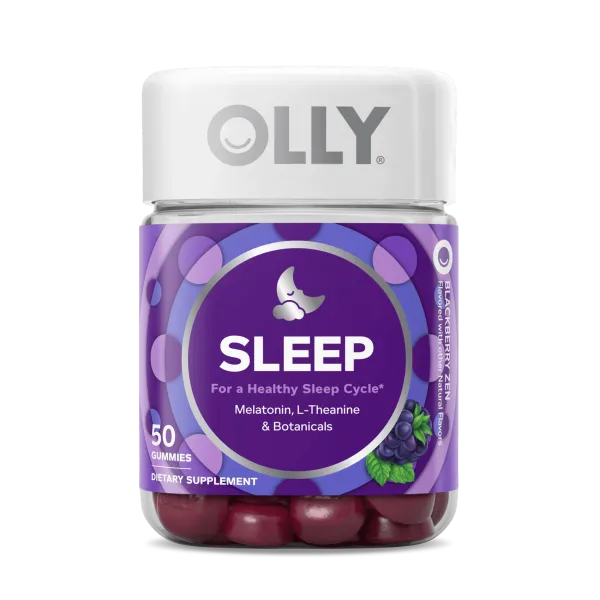 Olly SleepWith L-Theanine | 3mg | Melatonin + L-theanine | Low-Moderate | $0.35 | Amazon → |
 Nature MadeUSP Verified | 2.5mg | Melatonin | Low | $0.25 | Amazon → |
Calm MagnesiumNon-Hormonal | 200mg | Magnesium Glycinate | Very Low | $0.40 | Amazon → |
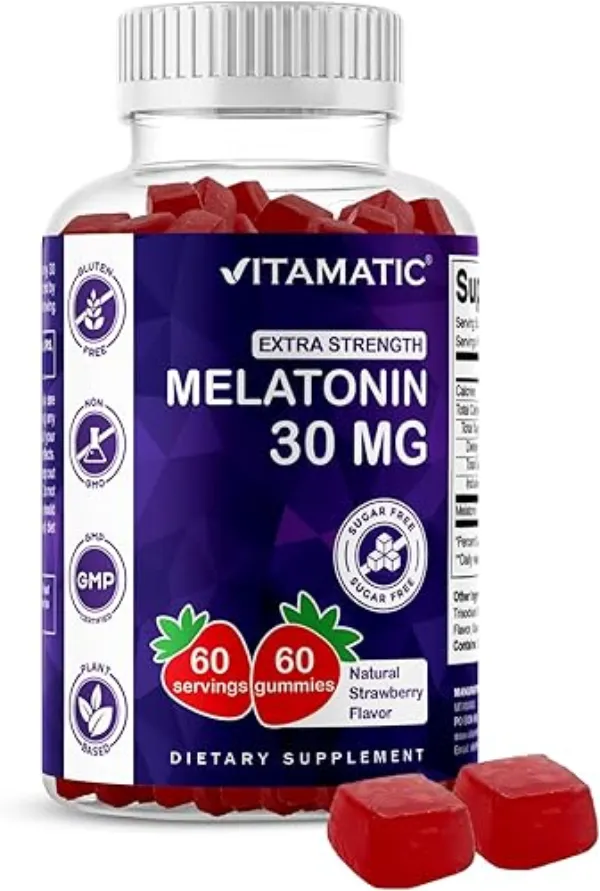 Hilo MelatoninSugar-Free | 1mg | Melatonin (zero sugar) | Lowest | $0.50 | Amazon → |
Want the Full Ranking?
Our complete melatonin gummies guide ranks 11 products by dose accuracy, third-party testing, and real side-effect reports — all ages and use cases covered.
See the Best Melatonin Gummies of 2026 →*These statements have not been evaluated by the Food and Drug Administration. Melatonin supplements are not intended to diagnose, treat, cure, or prevent any disease. This article is for informational purposes only and does not constitute medical advice. Consult your healthcare provider before starting any supplement regimen, especially if you are pregnant, breastfeeding, take prescription medications, or have an autoimmune, seizure, or mood disorder.
The Bottom Line on Melatonin Gummy Side Effects
Melatonin gummies are safe for most healthy adults when used at the right dose for the right duration. The key problem is that most people take too much — commercial gummies contain 3-10x the clinically effective dose of 0.5-1mg, which drives the majority of side effects. Morning drowsiness, headache, and nausea are almost always dose-dependent and resolve when you reduce to 0.5-1mg.
The populations that should exercise genuine caution are children (due to hormonal and accidental ingestion concerns), pregnant and breastfeeding women, people with autoimmune disorders, and anyone taking blood thinners, immunosuppressants, or fluvoxamine. For these groups, magnesium glycinate and L-theanine offer effective, non-hormonal alternatives. If you choose to use melatonin, start low (0.5mg), keep it short-term (2-4 weeks), and choose a third-party tested product from a reputable brand.
Related Guides on GummyGuide
Best Melatonin Gummies
Expert-tested rankings of the best melatonin gummies — dose accuracy, third-party testing, ingredient quality, and value compared.
See Rankings → SafetyCan You Overdose on Melatonin?
What happens if you take too much melatonin? Overdose symptoms, emergency signs, what to do, and how much is too much for adults and children.
Read Guide → DosingHow Much Melatonin Is Safe?
Safe dose ranges by age, the clinical evidence behind the "less is more" approach, and why most gummies contain too much melatonin.
Read Guide → AlternativesBest Sleep Gummies Without Melatonin
Non-hormonal sleep gummies ranked — magnesium, L-theanine, GABA, valerian, and herbal blends for those who want to avoid melatonin.
Read Guide →For detailed dosing guidance, read our guide on how many melatonin gummies you should take. If you are specifically looking for melatonin-free options, our best sleep gummies without melatonin guide covers every non-hormonal ingredient with tested product recommendations. And for the science behind magnesium as a sleep aid, our complete magnesium for sleep guide covers types, dosage, timing, and the clinical evidence.
Looking for the Safest Melatonin Gummies?
Browse our expert-tested melatonin gummy rankings — every product evaluated for dose accuracy, third-party testing, ingredients, and value. Find the right dose for better sleep without the side effects.
See Our Top Melatonin Picks →