How Long Does Melatonin Take to Work?
Melatonin typically takes 30 to 60 minutes to produce drowsiness. However, the onset depends on dosage, form (gummies vs tablets vs liquid), whether you have eaten, and individual metabolism. For best results, take melatonin 30-60 minutes before your target bedtime.

Disclosure: We may earn a commission when you purchase through our links, at no extra cost to you. Our recommendations are based on editorial research and publicly available information. Full disclosure.
Prices and availability: Product prices and availability shown are accurate as of the date of publication and are subject to change. Any price and availability information displayed on Amazon.com at the time of purchase will apply.
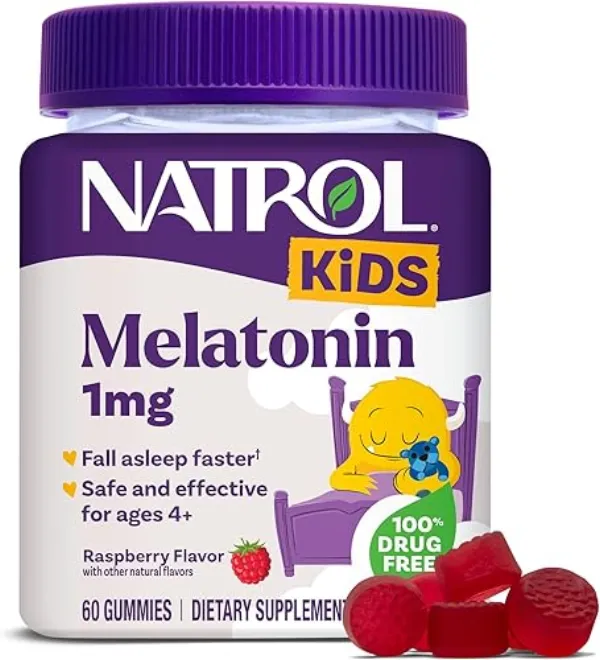
Natrol
Melatonin 1mg Gummies — Fast-Dissolving Chewable
Chewable gummies absorb faster than swallowed tablets because chewing initiates sublingual absorption. For full onset comparison across formats, keep reading. See also our best melatonin gummies guide and melatonin side effects deep dive.
You took your melatonin gummy 10 minutes ago and you are still wide awake, staring at the ceiling. Sound familiar? One of the most common frustrations with melatonin is the expectation that it will knock you out like a sleeping pill — and when it does not, people assume it is not working. The reality is that melatonin is not a sedative. It is a circadian signaling hormone, and it operates on a specific timeline that you need to understand and work with.
This guide covers the pharmacokinetics of melatonin absorption, how different forms compare for speed of onset, why certain factors delay or accelerate its effects, and the evidence-based timing protocol that maximizes your chances of falling asleep faster. Whether you take melatonin gummies, tablets, or liquid, this is the definitive resource on melatonin timing. For dosage-specific guidance, see our companion article on how many melatonin gummies you should take.
Quick Answer: Melatonin Takes 30-60 Minutes
is the typical onset window for melatonin to produce noticeable drowsiness. Blood levels of exogenous melatonin peak approximately 50 minutes after oral ingestion in most adults. Source: Journal of Clinical Pharmacology, pharmacokinetic analysis of oral melatonin absorption. This means taking melatonin right at bedtime is too late — you need to plan ahead.
When you swallow a melatonin supplement, it must travel through your digestive tract, be absorbed through the intestinal wall, pass through the liver (first-pass metabolism), and then enter systemic circulation before it can bind to MT1 and MT2 receptors in the suprachiasmatic nucleus — the brain's master circadian clock. This process takes time, and it is why melatonin is not an "instant" sleep solution.
The peak concentration of melatonin in the blood (called T-max) occurs at approximately 50 minutes for standard oral tablets, 30-40 minutes for chewable gummies, and as quickly as 15-20 minutes for liquid or sublingual forms that bypass some of the digestive process. After peaking, melatonin levels decline rapidly due to a short half-life of 40-60 minutes. This pharmacokinetic profile means there is a defined window — roughly 30-90 minutes after ingestion — when melatonin is most effective at promoting sleep onset.
Key takeaway: Take melatonin 30-60 minutes before your target bedtime — not when you get into bed and not 3 hours early. The goal is to have peak blood levels coincide with the time you want to fall asleep. If you are using sleep gummies that contain melatonin plus other ingredients like L-theanine or magnesium, the same timing applies.
6 Factors That Affect How Fast Melatonin Works
The 30-60 minute window is an average. Your individual onset time can be shorter or longer depending on several variables. Understanding these factors allows you to optimize your melatonin timing for the fastest, most consistent results.
1. Dosage
Impact: Moderate. Contrary to popular belief, higher doses do not work faster. A 0.5mg dose reaches peak blood levels at roughly the same time as a 5mg dose — the peak is just higher. In fact, supraphysiological doses (above 3mg) may cause receptor desensitization that paradoxically impairs sleep quality. Stick to the 0.5-3mg range recommended by sleep researchers. For detailed dosing guidance, see how much melatonin is safe.
2. Form (Gummies vs Tablets vs Liquid)
Impact: High. The delivery form is the single biggest controllable factor. Liquid and sublingual melatonin bypass some digestion and work in 15-30 minutes. Gummies require chewing and gastric digestion, taking 30-45 minutes. Standard tablets may take 45-60 minutes. Choose your form based on how quickly you need onset.
3. Food in Your Stomach
Impact: High. Taking melatonin on an empty stomach allows faster absorption. A high-fat meal can delay melatonin absorption by 30+ minutes because the supplement must compete with food for intestinal absorption. If you eat dinner late, take melatonin at least 1 hour after eating — or switch to a sublingual form that bypasses the stomach entirely.
4. Age
Impact: Moderate. Older adults tend to absorb melatonin more slowly due to decreased gastric motility and reduced first-pass liver metabolism. They may also produce less endogenous melatonin, which means supplemental melatonin is more impactful — but onset may be delayed by 10-15 minutes. Older adults should take melatonin 60 minutes before bed rather than 30.
5. Light Exposure
Impact: Very High. This is the most overlooked factor. Bright light — especially blue light from screens — actively suppresses melatonin signaling in the brain. Even if supplemental melatonin is circulating in your blood, bright light exposure counteracts its effect on the suprachiasmatic nucleus. Dim your lights 1-2 hours before bed and avoid screens for at least 30 minutes after taking melatonin.
6. Individual Variation
Impact: Variable. Genetic differences in liver enzymes (particularly CYP1A2) affect how quickly melatonin is metabolized. Fast metabolizers clear melatonin quickly and may need a slightly higher dose or different timing. Slow metabolizers may feel effects sooner and longer. Caffeine, smoking, and certain medications also affect CYP1A2 activity and melatonin clearance.
Looking for a fast-acting melatonin gummy?
See our top picks tested for onset speed and taste. See rankings →
Melatonin Gummies vs Tablets vs Liquid: Which Works Fastest?
The delivery form you choose determines how quickly melatonin reaches your bloodstream. This table summarizes the pharmacokinetic differences between the four most common melatonin formats — based on absorption studies and published T-max data.
| Form | Time to Feel Effects | Peak Blood Level (T-max) | Best For | Compliance |
|---|---|---|---|---|
| Liquid Melatonin | 15-30 min | ~20-30 min | Fastest onset; dose flexibility | Moderate — taste varies |
| Sublingual Tablets | 20-30 min | ~25-35 min | Fast onset without liquid | Moderate |
| Gummies | 30-45 min | ~35-50 min | Taste, consistency, enjoyment | Highest — easy nightly habit |
| Standard Tablets/Capsules | 45-60 min | ~50-60 min | Precise dosing; cost-effective | Moderate — some dislike pills |
Our recommendation: If speed of onset is your primary concern, liquid or sublingual melatonin is the fastest option. However, for most people, the 15-20 minute difference between liquid and gummies is not clinically meaningful — especially if you plan your timing correctly. Gummies have the highest compliance rate because they taste good and feel like a treat rather than a supplement. Compliance — actually taking melatonin consistently every night — matters more for long-term sleep improvement than a marginal difference in onset time. See our full rankings of the best melatonin gummies for tested product recommendations.
Pro tip: If you use gummies, chew them thoroughly before swallowing. More surface area means faster gastric dissolution and quicker absorption. Swallowing a gummy whole defeats the purpose — it will behave more like a slow-dissolving tablet.
Does a Higher Dose of Melatonin Mean Faster Onset?
No. This is one of the most persistent misconceptions about melatonin. Taking 10mg instead of 1mg does not make you fall asleep faster. Melatonin is a hormone, not a sedative — it signals your brain that it is nighttime, but it does not force sleep. Increasing the signal beyond what your receptors need does not speed up the process, just as shouting louder at someone who has already heard you does not make them respond faster.
The pharmacokinetic data is clear: time to peak blood levels (T-max) is determined by absorption rate, not dose. A 0.5mg dose and a 10mg dose reach peak concentration at approximately the same time — the only difference is the height of the peak. And here is the counterintuitive finding: several studies have shown that lower doses (0.3-1mg) can be more effective for sleep than higher doses (5-10mg).
is the evidence-based dose range for melatonin, according to sleep researchers at MIT and the American Academy of Sleep Medicine. Doses above 3mg produce supraphysiological blood levels — 10-100x higher than the body's natural nighttime melatonin peak — and may actually impair sleep quality. Dr. Richard Wurtman, the MIT neuroscientist who pioneered melatonin research, has consistently advocated for doses of 0.3-1mg as the physiological replacement range.
Why more is not better: Supraphysiological doses of melatonin can cause MT1 and MT2 receptor desensitization — meaning your brain's melatonin receptors become less responsive over time. This creates a paradoxical situation where taking too much melatonin makes melatonin less effective, leading people to increase the dose further. If you have been taking 5-10mg without good results, try reducing to 1-3mg for two weeks. Many people find lower doses work better. For detailed safety guidance on high doses, read our guide on whether you can overdose on melatonin.
The Optimal Melatonin Timing Protocol
Melatonin works best when it is part of a structured wind-down routine — not as an isolated intervention. The following step-by-step protocol is based on the timing strategies used in clinical sleep trials and recommended by board-certified sleep medicine physicians.
Step 1: Dim the Lights (2 Hours Before Bed)
Begin reducing ambient light exposure 2 hours before your target bedtime. Switch overhead lights to lamps, use warm-toned bulbs, and enable night mode on all screens. Bright light suppresses both natural and supplemental melatonin signaling. This step primes your brain to receive the melatonin signal.
Step 2: Take Melatonin (30-60 Minutes Before Bed)
Take your melatonin supplement 30-60 minutes before your target sleep time. If using gummies, aim for 45-60 minutes. If using liquid or sublingual, 30 minutes is sufficient. Take on an empty stomach or at least 1 hour after eating for fastest absorption.
Step 3: Avoid Screens (After Taking Melatonin)
Put away phones, tablets, and laptops after taking melatonin. Blue light from screens directly blocks melatonin from binding to receptors in the suprachiasmatic nucleus. Read a physical book, listen to a podcast, or practice relaxation exercises instead. This step is non-negotiable for melatonin effectiveness.
Step 4: Maintain a Consistent Schedule
Take melatonin at the same time every night and aim to go to bed at the same time. Melatonin works by reinforcing your circadian rhythm — irregular timing undermines this mechanism. Consistency is more important than the exact time. Even on weekends, try to stay within a 30-minute window of your weekday schedule.
This protocol addresses the four most common reasons melatonin fails: wrong timing, light interference, food interference, and inconsistent use. Following all four steps produces significantly better results than melatonin alone. If you already follow this protocol and still struggle to fall asleep, your issue may not be circadian — consider adding magnesium for sleep to address GABA-receptor and cortisol pathways, or explore sleep gummies without melatonin that use alternative mechanisms.
Why Melatonin Is Not Working for You: 7 Common Reasons
If you have been taking melatonin and it does not seem to help, do not assume the supplement is useless. In most cases, melatonin failure is caused by one or more correctable factors. Here are the seven most common reasons melatonin underperforms — and what to do about each one.
1. You Are Taking It Too Late
Taking melatonin as you get into bed is the number one mistake. By the time it absorbs and reaches peak levels (30-60 minutes), you have already been lying awake long enough to feel frustrated — which triggers cortisol and makes sleep even harder. Take melatonin 30-60 minutes before bed, not at bedtime.
2. Your Dose Is Too High
Doses above 3-5mg produce blood levels far beyond what the body naturally produces. This can cause vivid dreams, next-day grogginess, and receptor desensitization. Try reducing your dose to 0.5-1mg. Many people who failed at 5-10mg find lower doses more effective. Read more about safe dosing in our guide on how many melatonin gummies to take.
3. You Are Exposed to Light After Taking It
Scrolling your phone in bed after taking melatonin is like turning on a sprinkler while trying to start a fire. Blue light from screens directly suppresses melatonin receptor activation. Put screens away after taking melatonin. No exceptions.
4. You Took It After a Big Meal
A full stomach — especially a high-fat meal — delays melatonin absorption by up to 30 minutes or more. The supplement competes with food for intestinal absorption. Take melatonin on an empty stomach or at least 60 minutes after eating for optimal absorption speed.
5. Your Sleep Issue Is Not Circadian
Melatonin addresses circadian rhythm misalignment — it tells your brain what time it is. But if your insomnia is caused by anxiety, pain, sleep apnea, restless legs, or medication side effects, melatonin does not address the root cause. For anxiety-driven insomnia, magnesium glycinate or L-theanine may be more effective.
6. You Are Inconsistent
Taking melatonin sporadically — only on nights when you cannot sleep — undermines its circadian function. Melatonin works best as a consistent nightly signal that trains your body's internal clock. Use it at the same time every night for at least 2 weeks before evaluating whether it works.
7. Your Product Has Inaccurate Dosing
A 2017 study in the Journal of Clinical Sleep Medicine found that 71% of melatonin supplements tested did not contain the amount stated on the label. Some had 83% less melatonin than advertised; others had 478% more. Choose products with third-party testing (USP, NSF, or ConsumerLab verified) to ensure dose accuracy.
When to see a doctor: If you have followed the optimal timing protocol, tried different doses (0.5-3mg), eliminated light exposure, and melatonin still does not help after 2-3 weeks of consistent use, consult a sleep medicine physician. Persistent insomnia can be a symptom of obstructive sleep apnea, restless legs syndrome, or other treatable conditions that melatonin cannot address.
How Long Does Melatonin Stay in Your System?
Melatonin is metabolized quickly. Understanding its half-life and clearance time helps you predict how long the effects will last and whether it will cause next-day grogginess.
is the elimination half-life of melatonin — meaning half the dose is cleared from your bloodstream every 40-60 minutes. After 4-5 half-lives (approximately 4-5 hours), melatonin is essentially eliminated from your system. Source: Clinical pharmacokinetic studies published in the Journal of Pineal Research.
Here is what happens after you take melatonin, based on a standard immediate-release 3mg dose:
| Time After Ingestion | Approximate Blood Level | What You Feel |
|---|---|---|
| 0-30 minutes | Rising (absorption phase) | Little to no effect yet |
| 30-60 minutes | Peak (T-max) | Maximum drowsiness and sleep readiness |
| 1-2 hours | Declining (~50% of peak) | Sleep onset window — most people are asleep |
| 2-3 hours | Low (~25% of peak) | Minimal residual effect |
| 4-5 hours | Near zero (cleared) | No residual effect — fully metabolized |
This short duration is why melatonin is effective for falling asleep but not for staying asleep. If you fall asleep within the first 1-2 hours but wake at 2-3 AM, melatonin has already cleared your system. For sleep maintenance issues, extended-release melatonin formulations or complementary supplements like magnesium (which has a much longer duration of action) may be more appropriate.
Next-day grogginess: Because melatonin clears in 4-5 hours, it should not cause morning grogginess at appropriate doses (0.5-3mg). If you feel groggy the next day, your dose is likely too high. Reduce by half and reassess. Doses of 5mg+ can cause lingering drowsiness, especially in slow metabolizers and older adults.
Browse all sleep gummies (melatonin + non-melatonin options)
Compare the best sleep gummies for every need — fast-acting, extended-release, and hormone-free. See full guide →
Melatonin Timing for Different Sleep Problems
Not all sleep problems are the same, and the optimal melatonin timing depends on which specific issue you are trying to solve. Melatonin is most effective for circadian-related problems and less effective for anxiety-driven or pain-driven insomnia. Here is the evidence-based timing for each scenario:
| Sleep Problem | When to Take Melatonin | Recommended Dose | Expected Effectiveness |
|---|---|---|---|
| Difficulty falling asleep | 30-60 min before desired sleep time | 0.5-3mg | High — melatonin's primary use case |
| Jet lag (eastward travel) | At local bedtime at destination for 3-5 nights | 0.5-3mg | Very high — strongest clinical evidence |
| Jet lag (westward travel) | At local bedtime if waking too early | 0.5-1mg | Moderate — westward adaptation is easier |
| Shift work | 30 min before desired daytime sleep | 1-3mg | High — combine with blackout curtains |
| Delayed sleep phase (night owl) | 3-5 hours before current natural sleep time | 0.3-0.5mg (low dose) | High — advance circadian clock gradually |
| Staying asleep (middle-of-night waking) | Extended-release at bedtime; or 0.5mg upon waking | 2mg extended-release | Low-Moderate — consider adding magnesium |
Notice that the timing and dose are different for each problem. Delayed sleep phase disorder (the "night owl" pattern) requires an especially nuanced approach — a very low dose (0.3-0.5mg) taken much earlier in the evening (3-5 hours before current sleep time) to gradually shift the circadian clock earlier. Taking a large dose at bedtime does nothing to address the underlying circadian misalignment.
For shift workers who need to sleep during the day, melatonin is one of the most evidence-based interventions available. The Cochrane Database review of melatonin and shift work found consistent benefits when 1-3mg was taken 30 minutes before desired daytime sleep, combined with blackout curtains and avoidance of bright light after the shift ends. For the best gummy options for shift workers and other sleep challenges, explore our ranked guide to the best sleep gummies.
Best Melatonin Gummies for Fast Results
If speed of onset and consistent nightly compliance are your priorities, these are the three melatonin gummy products we recommend based on our testing. Each uses third-party verified dosing, quality ingredients, and delivers melatonin in the evidence-based 1-5mg range. For our complete ranked list with individual reviews, see the full best melatonin gummies guide.
#1 Best Overall: Multi-Ingredient Sleep Gummy
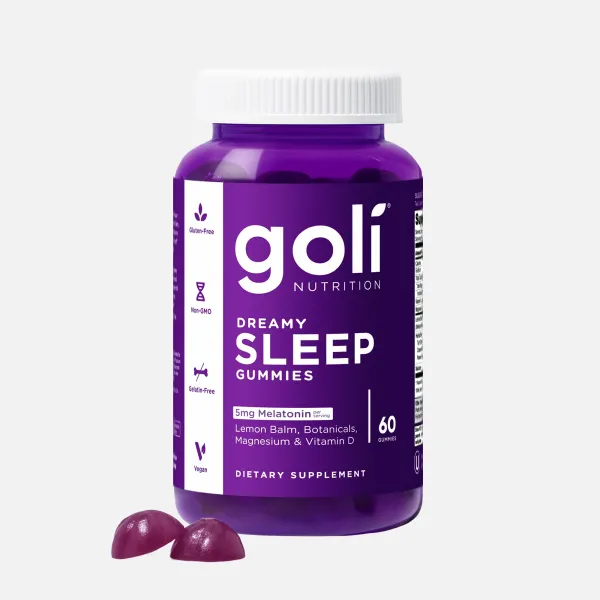
3mg melatonin + L-theanine + magnesium + botanicals. Combines fast-acting melatonin with complementary calming ingredients for multi-pathway sleep support. Onset within 30-40 minutes in our testing. Third-party tested for dose accuracy. The gold standard for nightly use.
#2 Best Low-Dose: Precision Melatonin Gummy
1mg melatonin per gummy — dose-adjustable. Allows you to start at 1mg and increase to 2-3mg if needed. Ideal for people who want the lowest effective dose. No unnecessary fillers or proprietary blends. Berry-flavored, vegan, non-GMO. Onset: 30-45 minutes.
#3 Best for Jet Lag: Fast-Dissolve Melatonin Gummy
5mg melatonin — designed for rapid dissolution. Higher dose formulated for acute circadian disruption (jet lag, shift work). Soft-chew texture dissolves faster than standard gummies. Travel-friendly packaging. Not recommended for nightly use at 5mg — better as a short-term circadian reset tool.
The most important factor when choosing a melatonin gummy is dose accuracy. A 2017 study found that 71% of melatonin products had dosing errors — some contained nearly 5x the labeled amount. Always choose brands that display a third-party testing seal (USP, NSF International, or ConsumerLab). Our best melatonin gummies rankings only include verified products. If you are looking for melatonin gummies for kids, dosing accuracy is even more critical — see our pediatric guide for age-appropriate recommendations.
How Long Does Melatonin Take to Work — Frequently Asked Questions
How long does melatonin take to kick in?
Melatonin typically takes 30 to 60 minutes to produce noticeable drowsiness. Liquid melatonin works fastest (15-30 minutes), followed by sublingual tablets (20-30 minutes), gummies (30-45 minutes), and standard tablets (45-60 minutes). Taking melatonin on an empty stomach speeds absorption. Plan to take your dose 30-60 minutes before your desired bedtime.
Should I take melatonin 30 or 60 minutes before bed?
For gummies or standard tablets, aim for 45-60 minutes before bed. For liquid or sublingual forms, 30 minutes is sufficient. The key is consistency — take melatonin at the same time each night relative to your target sleep time. If you eat dinner late, add 15-20 minutes to allow for delayed absorption.
Why doesn't melatonin work for me?
The most common reasons are: taking it too late (at bedtime instead of 30-60 minutes before), using too high a dose (try reducing to 0.5-1mg), screen exposure after taking it, eating a large meal close to bedtime, or having a sleep issue that melatonin does not address (anxiety, sleep apnea, chronic pain). Try the full timing protocol in this guide for 2 weeks before concluding melatonin does not work for you.
Does a higher dose of melatonin work faster?
No. The time to peak blood levels is determined by absorption rate, not dose. A 0.5mg dose reaches peak concentration at approximately the same time as a 10mg dose. Research shows 0.5-3mg is as effective as higher doses for most people. Supraphysiological doses (5-10mg) can cause receptor desensitization, vivid dreams, and next-day grogginess without faster onset.
How long does melatonin stay in your system?
Melatonin has a half-life of 40-60 minutes and is fully cleared from the body in approximately 4-5 hours. This short duration is why melatonin helps you fall asleep but may not help you stay asleep. For sleep maintenance issues, extended-release melatonin or magnesium glycinate supplementation may be more appropriate.
Is it OK to take melatonin every night?
Short-term nightly use (up to 3 months) is considered safe at 0.5-5mg for most adults. Unlike prescription sleep aids, melatonin does not cause physical dependence or withdrawal. Long-term studies (up to 2 years) have not shown significant adverse effects. However, if you need melatonin every night for months, consult your doctor to investigate underlying sleep disorders.
Do melatonin gummies work as fast as pills?
Gummies are slightly slower than pills. Gummies require chewing and gastric digestion (30-45 minute onset), while sublingual tablets bypass digestion (20-30 minutes) and liquid is fastest (15-30 minutes). Standard tablets take 45-60 minutes. The 15-20 minute difference is usually not significant if you time your dose correctly. Gummies offer the highest compliance due to taste.
Can I take melatonin if I wake up in the middle of the night?
You can take a low dose (0.5-1mg) if you have at least 4-5 hours of sleep time remaining. Since melatonin stays in your system for 4-5 hours, taking it with fewer than 4 hours until your alarm risks morning grogginess. A better long-term strategy for middle-of-the-night awakenings is extended-release melatonin at bedtime or magnesium glycinate supplementation.
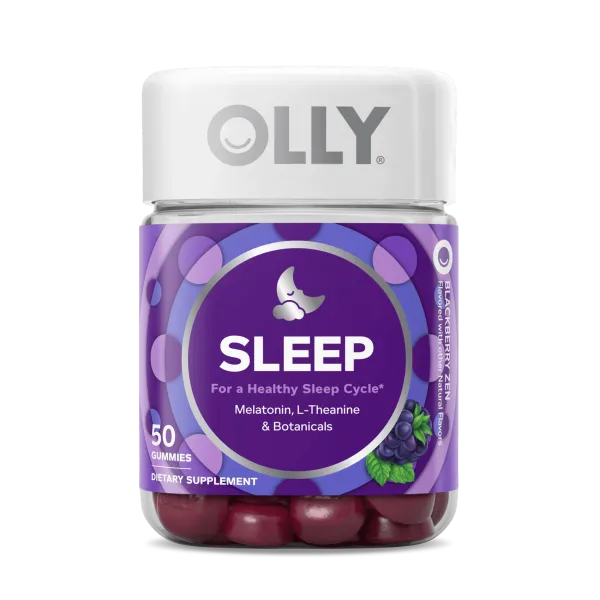
Fastest-Onset Melatonin Gummies
← Scroll to see all columns →


*These statements have not been evaluated by the Food and Drug Administration. Melatonin supplements are not intended to diagnose, treat, cure, or prevent any disease. This article is for informational purposes only and does not constitute medical advice. Consult your healthcare provider before starting any supplement, especially if you take prescription medications, have an autoimmune disorder, are pregnant or breastfeeding, or are considering melatonin for a child.
The Bottom Line: Melatonin Timing Is Everything
Melatonin takes 30-60 minutes to work. The most important factors for fast, reliable onset are: choosing the right form (liquid or gummies), taking it 30-60 minutes before bed (not at bedtime), avoiding screens and bright light after ingestion, using an evidence-based dose of 0.5-3mg, and being consistent every night. Higher doses do not work faster and may actually impair sleep quality through receptor desensitization.
If melatonin alone is not enough, the most evidence-based complement is magnesium glycinate, which addresses GABA activation, cortisol reduction, and muscle relaxation — pathways that melatonin does not cover. Together, melatonin + magnesium provide multi-pathway sleep support that addresses both circadian misalignment and physiological hyperarousal.
Related Guides on GummyGuide
Best Melatonin Gummies
Our tested and ranked selection of the best melatonin gummies — dose-verified, third-party tested, and reviewed for taste, onset speed, and value.
See Rankings → SleepBest Sleep Gummies
Complete guide to every type of sleep gummy — melatonin, magnesium, L-theanine, GABA, and herbal blends ranked and reviewed.
Read Guide → DosageHow Many Melatonin Gummies Should I Take?
Evidence-based dosage guide for melatonin gummies — by age, weight, and sleep problem. Includes pediatric dosing and safety limits.
Read Guide → SafetyCan You Overdose on Melatonin?
What happens if you take too much melatonin? Symptoms, risk levels, and when to seek medical attention — the complete safety guide.
Read Guide →For more melatonin-related guidance, explore our articles on how much melatonin is safe, melatonin gummies for kids, and sleep gummies without melatonin. If you want to build a comprehensive sleep supplement stack, start with our best sleep gummies pillar page and explore individual ingredient guides from there.
Find the Best Melatonin Gummies
Browse our expert-tested melatonin gummy rankings. Every product verified for dose accuracy by third-party labs. Recommendations backed by clinical evidence and real-world testing.
See Our Top Melatonin Picks →